

| Key Insight | Explanation |
|---|---|
| What they are | Tobacco harm reduction products are nicotine-containing alternatives — pouches, NRT, heated tobacco, e-cigarettes — designed to deliver nicotine without combustion. |
| Why combustion matters | Burning tobacco produces thousands of toxic compounds. Non-combusted formats eliminate or dramatically reduce exposure to these byproducts. |
| Nicotine pouches in 2026 | Tobacco-free nicotine pouches are the fastest-growing segment — discreet, spit-free, and available in strengths from 2mg to 50mg+. |
| Regulation varies widely | Legal status differs country by country across Europe and the US. Always check your local rules before ordering. |
| No medical claims | These products are not classified as cessation therapies and should not be described as "safe" or "healthy" — they carry their own risks. |
| DarePouch's role | DarePouch stocks 600+ tobacco-free pouches — nicotine, energy, and CBD — with same-day dispatch from Denmark and expert guidance on every product. |
Tobacco harm reduction products are nicotine-delivery alternatives that eliminate or significantly reduce exposure to the toxic byproducts of burning tobacco. They include nicotine pouches, nicotine replacement therapy (NRT), heated tobacco products, and e-cigarettes. For adults who currently use tobacco, switching to one of these formats means removing combustion from the equation entirely.
That distinction matters. Combustion is the primary driver of tobacco-related harm. The U.S. Food and Drug Administration notes that non-combusted products generally carry lower health risks than cigarettes and other combustible formats [1]. Tobacco-free nicotine pouches sit at the far end of that spectrum: no tobacco leaf, no smoke, no vapour.
This guide covers the full landscape of tobacco harm reduction products as of 2026. You'll learn how each category works, what the research says, where regulation stands across key markets, and how to choose the right format for your situation.
What Are Tobacco Harm Reduction Products?
Tobacco harm reduction products are smoke-free, non-combustible alternatives to cigarettes and other burning tobacco formats that allow adults to consume nicotine with substantially reduced exposure to combustion-related toxicants.
The concept has a longer history than most people realise. Nicotine replacement therapies — patches, gums, lozenges — were introduced in the 1980s and 1990s as the first formal harm reduction tools. Research published in Drug and Alcohol Dependence notes that NRTs have been studied for over 30 years in helping smokers reduce or quit tobacco use [2]. The category has expanded dramatically since then.
The Core Principle: Remove Combustion
The harm in tobacco use comes overwhelmingly from burning. Cigarette smoke contains over 7,000 chemicals, hundreds of which are toxic and at least 70 of which are known carcinogens, according to the Harm Reduction International framework [3]. Nicotine itself, while addictive, is not the primary driver of smoking-related disease.
Tobacco harm reduction products work by separating nicotine delivery from combustion. Some, like nicotine pouches, also remove tobacco leaf entirely. Others, like heated tobacco products, retain tobacco but prevent it from burning. The result in both cases is a meaningfully different risk profile compared to cigarettes — though not a risk-free one.
Who Uses These Products?
The target population for tobacco harm reduction products is adults who currently smoke or use tobacco. This is an important distinction. These products are not intended for people who have never used nicotine or tobacco. As of 2026, the global nicotine pouch market alone is projected to grow at a compound annual growth rate of over 35% through 2030, driven largely by adult smokers switching formats rather than new nicotine initiates entering the market.
- Committed switchers: Adults who want to move away from combustible tobacco entirely and are looking for a satisfying, smoke-free alternative.
- Dual users: People who use a harm reduction product alongside cigarettes while gradually reducing combustible tobacco consumption.
- Experienced nicotine users: Those already familiar with pouches or NRT who are optimising their format, strength, or flavour.
Pro Tip: If you're switching from cigarettes, don't underestimate how much the ritual matters. Many people find that a nicotine pouch placed under the upper lip replicates enough of the hand-to-mouth habit to make the transition far easier than a patch or gum alone.
How Tobacco Harm Reduction Products Work
this approach deliver nicotine to the bloodstream via routes other than inhaled smoke — primarily through the oral mucosa, the lungs via vapour, or transdermally through the skin.
Understanding the mechanism helps you choose the right product. Each delivery route has a different speed of onset, peak nicotine concentration, and duration of effect. These variables matter when you're trying to replicate the experience of cigarettes closely enough to actually switch.
Nicotine Absorption Routes Explained
Oral mucosa absorption is how nicotine pouches, snus, NRT gum, and lozenges work. You place the product in your mouth, and nicotine diffuses through the lining of the cheek or gum directly into the bloodstream. Onset is relatively fast — typically 5 to 15 minutes — and the effect is sustained for 20 to 60 minutes depending on the product and the user's metabolism.
Pulmonary absorption is the mechanism behind e-cigarettes and heated tobacco products. Nicotine in vapour form reaches the lung tissue, where it crosses into the bloodstream rapidly — closer to the speed of a cigarette. This is why vaping tends to feel more immediately satisfying for heavy smokers switching from combustibles.
Transdermal absorption is the patch's mechanism. Nicotine passes through the skin slowly and steadily over 16 to 24 hours. It's the lowest-intensity delivery method and doesn't replicate the peaks and troughs of smoking, which is why many users find patches insufficient on their own.
Why Format and Strength Both Matter
The number on the can or packet tells you the total nicotine content, but it doesn't tell the whole story. Moisture level, pH, pouch format (slim vs. mini vs. large), and even flavour intensity all affect how nicotine actually hits. A moist slim pouch at 8mg can feel noticeably stronger than a dry regular-format pouch at 10mg. This is something Thomas Agaraté, founder of DarePouch and a daily pouch user since 2014 who has personally tested 500+ products, emphasises consistently: the number is a starting point, not the final answer.
A review published in Drug and Alcohol Dependence confirms that the pharmacokinetic profile of nicotine delivery — not just total dose — significantly influences product satisfaction and the likelihood of sustained switching [4].
Types of Tobacco Harm Reduction Products in 2026
As of 2026, the the practice landscape covers five main categories, each with distinct mechanisms, risk profiles, and regulatory statuses.
Choosing between them isn't just about personal preference. Regulation, availability, and your own tolerance level all shape which options are actually accessible to you. Here's a practical breakdown of each category.
The Five Main Categories
| Product Type | Contains Tobacco? | Delivery Route | Typical Strength Range | EU/UK Legal Status (2026) |
|---|---|---|---|---|
| Nicotine pouches (tobacco-free) | No | Oral mucosa | 2mg–50mg+ | Legal in most EU markets; regulated in UK |
| NRT (patch, gum, lozenge) | No | Transdermal / oral | 2mg–21mg | Legal and pharmacy-available across EU/UK |
| E-cigarettes / vapes | No | Pulmonary (vapour) | 0mg–20mg (EU cap) | Legal; capped at 20mg/ml in EU under TPD2 |
| Heated tobacco products | Yes (not burned) | Pulmonary (heated aerosol) | Varies by product | Legal in most EU markets and UK |
| Snus (Swedish oral tobacco) | Yes | Oral mucosa | Varies | Banned in EU (except Sweden); legal in UK, Norway |
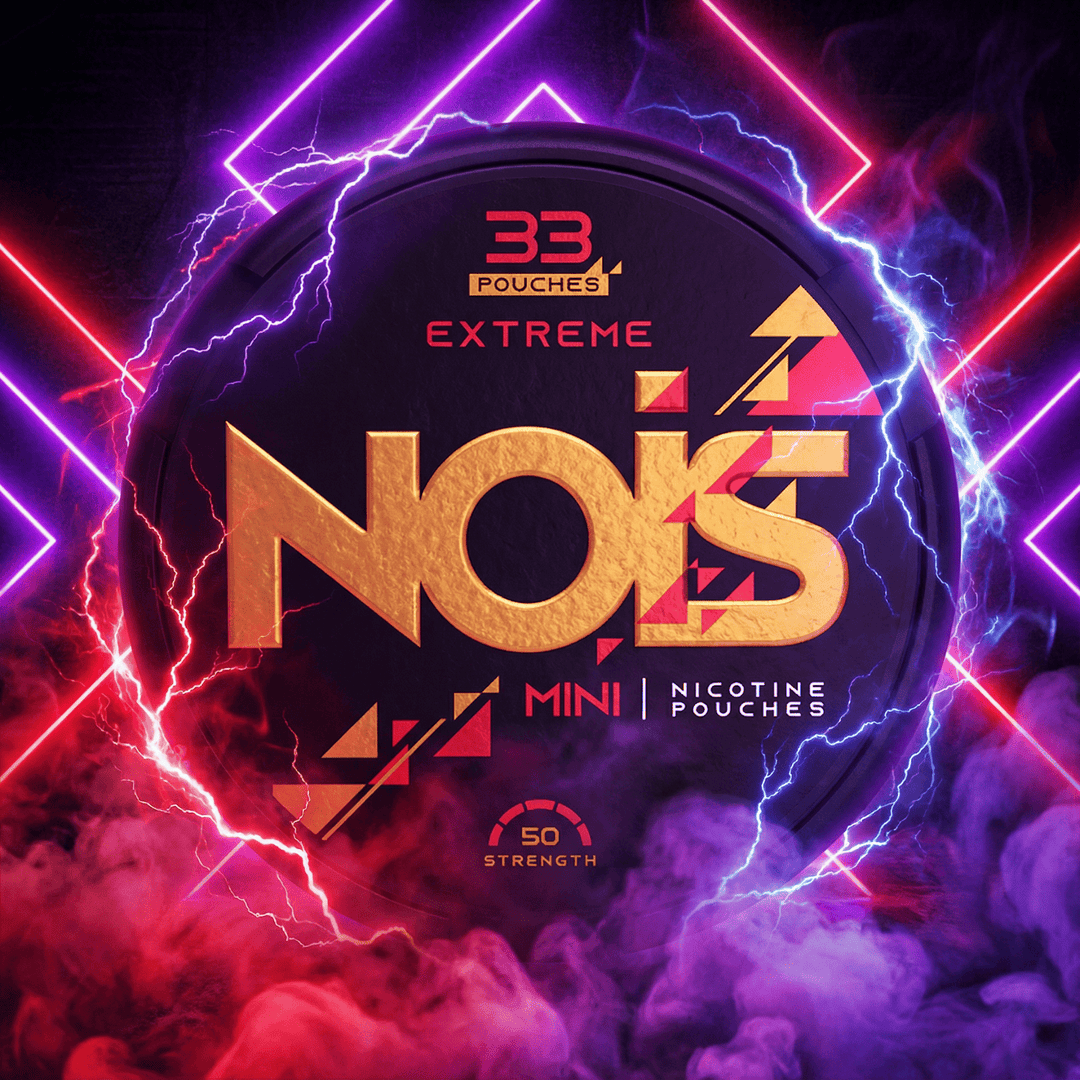
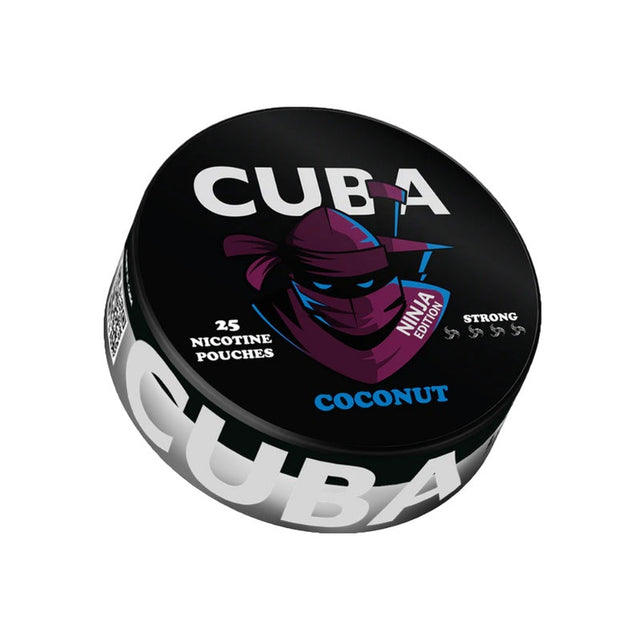
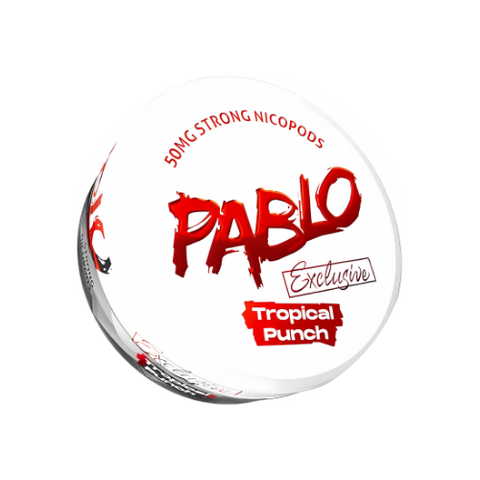
Nicotine pouches are the fastest-growing segment in 2026 and the category DarePouch specialises in. They contain no tobacco leaf, produce no smoke or vapour, and are completely discreet. Brands like ICEBERG, KILLA, Pablo, VELO, White Fox, and Siberia cover the full spectrum from 2mg entry-level to 50mg+ for experienced users. Our own house brand, OutDare, spans nicotine, energy (caffeine), and CBD formats.
Energy (caffeine) pouches are a distinct and growing category: nicotine-free, caffeine-based oral pouches that deliver functional energy without smoke, vapour, or sugar. They're popular with adults who want a portable, discreet alternative to energy drinks or coffee.
CBD pouches are the third category DarePouch stocks. These are wellness-focused, nicotine-free pouches used for relaxation and stress management. They sit within the broader harm reduction conversation as a non-addictive oral format. For more context on industry developments relevant to this space, the latest industry news from GC Indus tracks regulatory and market shifts across wellness product categories.
According to PMI Science's harm reduction framework, non-combustible products — including pouches, e-vapor, and heated tobacco — form the core of the modern harm reduction toolkit [5].
Pro Tip: If you're new to nicotine pouches and coming from cigarettes, start with a slim-format pouch at 6mg to 8mg. The slim format sits comfortably under the upper lip and delivers a controlled, sustained release. Don't go straight to Pablo or Siberia — those are built for high-tolerance users only.
Benefits and Limitations: An Honest Assessment
this practice offer real, documented advantages over combustible tobacco — but they're not without trade-offs, and honest guidance means acknowledging both sides.
At DarePouch, we've found that the biggest mistake new users make is treating harm reduction as a binary: either cigarettes or nothing. The reality is a spectrum of products with different risk profiles, different experiences, and different suitability depending on who you are and what you're looking for.
The Case For: Documented Advantages
The evidence base for this method has grown substantially in recent years (2024–2026). Key advantages include:
- No combustion byproducts: Tobacco-free nicotine pouches produce zero smoke, zero tar, and zero carbon monoxide. The FDA's comparative risk framework confirms that non-combusted products carry lower health risks than cigarettes [1].
- Discreet and socially acceptable: Pouches are odourless, invisible in use, and produce no second-hand smoke. You can use them in offices, on planes, and in environments where smoking and vaping are prohibited.
- Precise strength control: With nicotine pouches available from 2mg to 50mg+, you can match your nicotine intake to your tolerance and adjust it deliberately over time.
- No tobacco leaf: Unlike snus or chewing tobacco, tobacco-free nicotine pouches contain no tobacco plant material. They use pharmaceutical-grade synthetic nicotine or nicotine extracted from tobacco but not the leaf itself.
- Functional alternatives: Energy pouches and CBD pouches extend the harm reduction concept to people who want to reduce stimulant or stress-related product use without switching to another addictive substance.
Research published in Nicotine & Tobacco Research via PubMed Central defines tobacco harm reduction as providing tobacco users "who are unwilling or unable to quit using nicotine products with less harmful nicotine-containing alternatives" — a framing that acknowledges real-world behaviour rather than idealised cessation outcomes [6].
The Limitations: What You Need to Know
Balanced guidance requires acknowledging the limitations. These are not trivial:
- Nicotine is addictive. All nicotine-containing products carry addiction risk. Harm reduction does not mean risk elimination.
- Long-term data is limited. Nicotine pouches are a relatively recent category. The American Medical Association's policy paper on tobacco harm reduction notes that while non-combustible products are thought to be less hazardous, limited long-term evidence is available [7].
- Not suitable for non-users. These products are for adults who already use tobacco or nicotine. They are not appropriate for people who have never smoked or used nicotine.
- Regulatory variation creates uncertainty. Legal status varies significantly across EU member states, the UK, and the US. What's freely available in Denmark may be restricted in another country. Always verify your local rules before purchasing.
- Dual use risk: Some users add pouches or vaping to their cigarette habit rather than replacing it. That's not harm reduction — it's increased total nicotine exposure.
Pro Tip: If you're using nicotine pouches alongside cigarettes rather than instead of them, set a specific timeline. Many switchers find that committing to "pouches only before noon" for the first two weeks creates enough of a habit shift to make full switching much easier.
Best Practices for Choosing the Right Product in 2026
Choosing the right tobacco harm reduction product comes down to three factors: your current nicotine tolerance, your preferred delivery experience, and the legal framework in your country.
Most guides focus only on the first factor and ignore the other two. That's a mistake. A product that's perfect for someone in Sweden may be unavailable in France. And the "right" delivery mechanism is the one you'll actually stick with, not the one with the most impressive risk reduction data on paper.
Matching Product to Tolerance
Start with an honest assessment of your current tobacco or nicotine use:
- Light smokers (under 10 cigarettes per day): Start with nicotine pouches at 4mg to 6mg. Mini or slim format. Mint or fruit flavour tends to be the most accessible starting point.
- Moderate smokers (10–20 cigarettes per day): Aim for 8mg to 12mg. Slim format, moderate moisture. VELO and White Fox offer reliable options at this range.
- Heavy smokers (20+ cigarettes per day): 14mg to 20mg is the realistic starting range. Don't jump to 50mg products — you'll overshoot and have a bad experience that puts you off the format entirely.
- Experienced pouch users: 20mg to 30mg is the daily-driver range for high-tolerance users. KILLA and ICEBERG cover this well. Pablo and Siberia at 40mg to 50mg+ are for very experienced users only.
Understanding Country-Specific Regulations
Regulatory status for this strategy varies widely across Europe and the US as of 2026. Key points:
- Sweden: Snus is legal and culturally embedded. Nicotine pouches are widely available and largely unregulated beyond age verification.
- UK: Nicotine pouches are legal and regulated under the Tobacco and Related Products Regulations. E-cigarettes are capped at 20mg/ml nicotine concentration.
- Germany, Netherlands, Austria, Switzerland: Tobacco-free nicotine pouches are generally legal. Check current national rules, as regulations are evolving.
- France, Italy, Spain: Regulatory frameworks for nicotine pouches are still developing. Legal but subject to change. Always verify before ordering.
- United States: The FDA regulates nicotine pouches as tobacco products (even tobacco-free ones) under the Family Smoking Prevention and Tobacco Control Act. Marketing authorisation requirements apply.
The Tobacco Tactics harm reduction resource provides ongoing academic monitoring of tobacco harm reduction policy developments across jurisdictions [8].
Industry analysts suggest that the EU's Tobacco Products Directive (TPD2) revision — currently under discussion as of 2026 — may introduce more harmonised rules for nicotine pouches across member states. That would simplify cross-border purchasing significantly, but the timeline remains uncertain.
Sources & References
- U.S. Food and Drug Administration, "The Relative Risks of Tobacco Products," 2024
- Drug and Alcohol Dependence / ScienceDirect, "Tobacco harm reduction: The need for new products that can compete with cigarettes," 2013
- Harm Reduction International, "Tobacco Harm Reduction," 2023
- ScienceDirect, "Tobacco harm reduction: The need for new products," 2013
- PMI Science, "Harm Reduction and Smoke-Free Products," 2024
- PubMed Central / Nicotine & Tobacco Research, "Tobacco Harm Reduction: Past History, Current Controversies," 2020
- American Medical Association, "Tobacco Harm Reduction: A Comprehensive Nicotine Policy," 2022
- Tobacco Tactics, "Harm Reduction Topics," 2024
Frequently Asked Questions
1. What is the best product to quit dipping tobacco?
The most effective approach combines a long-acting nicotine source (like a patch) with a fast-acting oral format to handle acute cravings — but tobacco-free nicotine pouches are increasingly the preferred choice for dip users specifically, because they replicate the oral placement and duration of a dip without tobacco leaf, spitting, or the carcinogens associated with smokeless tobacco. Pouches at 8mg to 14mg are a practical starting point for regular dip users. Results vary by individual, and this is not medical advice — speak to a healthcare professional if you're seeking formal cessation support. That said, this approach like nicotine pouches offer a genuinely compelling alternative to dipping for adults who want to move away from tobacco leaf.
2. Are nicotine pouches considered tobacco harm reduction products?
Yes. Tobacco-free nicotine pouches are widely categorised as the practice because they deliver nicotine without combustion, without tobacco leaf, and without the toxic byproducts of burning. They sit at the lower end of the nicotine product risk spectrum, though they are not risk-free — nicotine is addictive regardless of delivery format.
3. What's the difference between NRT and tobacco harm reduction products?
Nicotine replacement therapy (NRT) — patches, gums, lozenges — is a subset of this practice, typically licensed as cessation aids and sold through pharmacies. Broader this method include nicotine pouches, e-cigarettes, and heated tobacco, which are not classified as medical products in most markets. NRT is designed for short-term use to reduce dependence; nicotine pouches are consumer products for ongoing use as a smoke-free alternative.
4. Are tobacco harm reduction products legal across Europe?
It depends on the product and the country. Tobacco-free nicotine pouches are legal in most EU markets and the UK as of 2026, but regulations are evolving. Snus (oral tobacco) is banned in the EU except in Sweden. E-cigarettes are capped at 20mg/ml nicotine in the EU under TPD2. Always check the specific rules for your country before ordering — DarePouch publishes country-by-country legality guides on its blog for exactly this reason.
5. What strength nicotine pouch should I start with?
If you're coming from cigarettes, start at 6mg to 8mg. Light smokers should go lower — 3mg to 4mg. Moderate to heavy smokers can start at 10mg to 12mg. Don't start at 20mg or above unless you already have significant nicotine tolerance. Strength isn't the only variable: moisture, format (slim vs. mini), and flavour all affect how a pouch hits. Start lower than you think you need and adjust from there.
6. Do tobacco harm reduction products contain tobacco?
Not all of them. Nicotine pouches sold by DarePouch — including brands like VELO, KILLA, White Fox, ICEBERG, Pablo, and Siberia — are tobacco-free. They use synthetic nicotine or nicotine derived from the tobacco plant but contain no tobacco leaf. Heated tobacco products (like IQOS sticks) do contain tobacco but don't burn it. Snus contains tobacco. The distinction matters both for your experience and for the regulatory status in your country.
7. Can I use nicotine pouches and energy pouches together?
Yes, though you should be mindful of total stimulant intake. Nicotine and caffeine both affect the cardiovascular system. Using a nicotine pouch and a caffeine pouch simultaneously will amplify stimulant effects. In practice, most users alternate between the two rather than stacking them. Energy pouches are nicotine-free, making them a useful option for situations where you want functional energy without additional nicotine.
Conclusion
this strategy represent a practical, evidence-grounded approach to reducing the risks associated with combustible tobacco use. The core principle is straightforward: remove combustion, and you remove the primary driver of tobacco-related harm. Nicotine pouches, in particular, take that logic one step further by removing tobacco leaf entirely.
The landscape in 2026 is broader than it's ever been. Tobacco-free nicotine pouches now span strengths from 2mg to 50mg+, formats from mini to large, and flavours from classic mint to fruit and coffee. Energy pouches and CBD pouches extend the category further, offering functional alternatives that don't involve nicotine at all.
Choosing the right tobacco harm reduction product isn't complicated once you understand the basics: match strength to tolerance, choose a delivery format you'll actually use, and verify the legal status in your country. Start lower than you think you need. Adjust from there.
DarePouch stocks 600+ tobacco-free pouches across nicotine, energy, and CBD categories, all stored in climate-controlled conditions and dispatched same-day from Denmark. Every product in the catalogue has been personally evaluated by founder Thomas Agaraté, who has tested 500+ products since 2014. If you're navigating the this approach space and want honest, specific guidance rather than marketing copy, that's exactly what DarePouch is built for.
Recommended Articles
Explore more from our content library:


