

| Key Insight | Explanation |
|---|---|
| Combination approaches work best | Pairing behavioral strategies with nicotine management significantly improves quit rates compared to willpower alone. |
| Cravings peak at 3–5 minutes | Most urges pass within five minutes. Knowing this helps you ride them out without giving in. |
| Triggers are the real enemy | Identifying and planning around your personal smoking triggers is one of the highest-impact steps you can take before your quit date. |
| Nicotine withdrawal is time-limited | The sharpest physical withdrawal symptoms typically ease within 2–4 weeks, though psychological cravings can linger longer. |
| Tobacco-free alternatives can help manage nicotine | Products like nicotine pouches deliver nicotine without tobacco or combustion, removing smoke and tar from the equation entirely. |
| Relapse is part of the process | Most people make multiple quit attempts before succeeding. Each attempt builds knowledge about what works for you personally. |
Why Most Quit Attempts Fail — and What to Do Differently: how to quit smoking tips
The most effective how to quit smoking tips share one thing in common: they replace willpower with a plan. Willpower alone fails most people — not because they're weak, but because nicotine dependence is a physiological process with real withdrawal symptoms, and habits are encoded deeply in routine and environment. According to the CDC, most smokers make multiple attempts before quitting for good [1]. That's not failure — that's the normal pattern. What separates people who eventually succeed is preparation, not determination.
This guide covers 12 evidence-based strategies, organized into five core areas: preparation, trigger management, craving control, nicotine management options, and the lifestyle shifts that make it stick long-term. Each section is self-contained, so you can jump to whatever stage you're at right now. This is particularly relevant for how to quit smoking tips.
One thing this article doesn't cover: medical prescriptions (varenicline, bupropion) and formal clinical programs. Those are worth discussing with your doctor, and they're outside the scope of what we cover here.
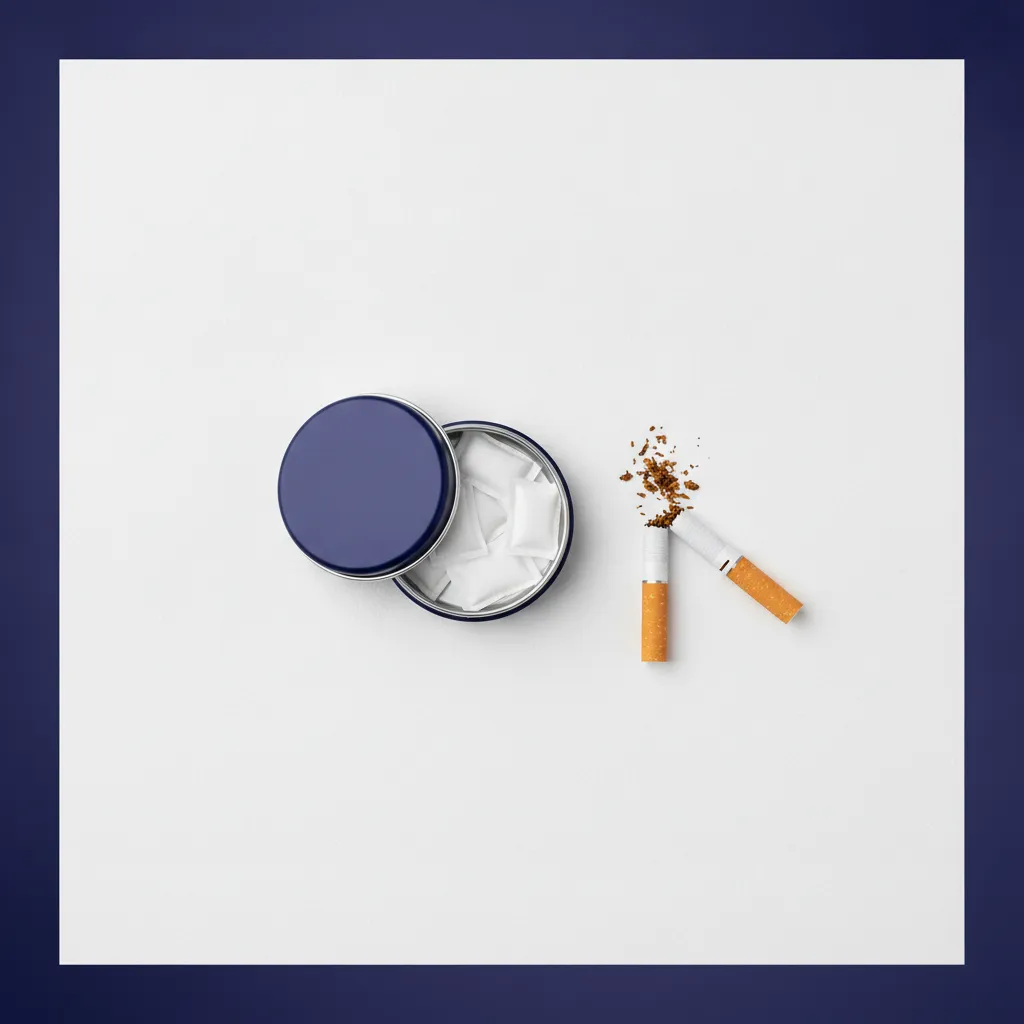
1. Prepare Before Your Quit Date
Setting a quit date and preparing your environment in advance is one of the highest-impact steps you can take — more important than the quit date itself.
Set a Specific Quit Date (Not "Soon")
Vague intentions don't work. Pick a date within the next two weeks — close enough to feel real, far enough to prepare. The Smokefree.gov program recommends choosing a meaningful date (a birthday, a Monday, the start of a month) to give the decision psychological weight [2].
- Write it down and tell at least one person
- Mark it on your calendar and set a phone reminder
- Use the days before to track when and why you smoke — this data is useful for step 2
Remove Cigarettes from Your Environment
Before your quit date, do a full sweep. This isn't just about cigarettes — it's about every associated object that cues the habit.
- Throw away all cigarettes, lighters, and ashtrays
- Clean your car, home, and workspace to remove the smell
- Identify the physical spaces where you smoke most (balcony, car, work entrance) and plan what you'll do instead in those spots
- Stock up on substitutes: gum, mints, water, carrot sticks — anything to occupy your hands and mouth
According to Massey Cancer Center, anticipating challenges before they arise is one of the most underused quit strategies [3]. Most people wait until they're in the middle of a craving to figure out what to do. Don't be that person.
Pro Tip: In the week before your quit date, start smoking only in one designated spot — outside, away from your usual spaces. This begins breaking the environmental associations before you've even stopped.
2. Identify and Plan Around Your Triggers
A trigger is any person, place, emotion, or activity that creates an automatic urge to smoke. Identifying yours before your quit date is non-negotiable. When considering how to quit smoking tips, this point stands out.
The Four Categories of Smoking Triggers
Most triggers fall into predictable categories. Mapping yours honestly takes about 10 minutes and can save you from a relapse you didn't see coming.
| Trigger Type | Common Examples | Replacement Strategy |
|---|---|---|
| Emotional | Stress, boredom, anxiety, frustration | Deep breathing, short walk, calling someone |
| Situational | After meals, with coffee, work breaks | Change the routine (different drink, different route) |
| Social | Smoking friends, bars, parties | Prepare a script ("I'm not smoking anymore"), step away |
| Habitual | Morning routine, driving, watching TV | Disrupt the sequence (different morning activity, gum in the car) |
The Mayo Clinic recommends the HALT check when a craving hits: are you Hungry, Angry, Lonely, or Tired? These four states dramatically increase craving intensity and are often the real driver behind what feels like a nicotine urge [4].
Build Your Trigger Response Plan
For each trigger you identify, write down a specific alternative action. Vague plans ("I'll distract myself") don't hold up under pressure. Specific ones do.
- After-meal trigger: Immediately brush your teeth or chew sugar-free gum
- Stress trigger at work: Step outside for a 3-minute walk — no cigarette, just movement
- Social trigger: Hold a drink in your smoking hand, keep your mouth busy
- Morning coffee trigger: Switch to tea for the first two weeks, or change where you drink it
For more detail on what happens to your body during withdrawal, our guide on the nicotine withdrawal timeline breaks down the first 72 hours through to week four — useful reading before your quit date.
3. Manage Cravings in the Moment
Cravings typically peak within 3–5 minutes and then fade — knowing this is one of the most practical how to quit smoking tips you'll find, because it turns every craving into a countdown rather than a battle.
The 5-Minute Craving Toolkit
The CDC's Tips From Former Smokers program highlights distraction and movement as the two most reliable in-the-moment craving busters [1]. Here's a practical toolkit:
- Move your body: A brisk 5-minute walk is enough to reduce craving intensity. Research published via the American Lung Association notes that even short bursts of exercise can blunt nicotine cravings [5].
- Drink cold water: Slowly, deliberately. It occupies your hands, your mouth, and your attention simultaneously.
- Use the 4-7-8 breathing technique: Inhale for 4 counts, hold for 7, exhale for 8. It activates the parasympathetic nervous system and reduces the stress response that often accompanies cravings.
- Call or text someone: Social connection interrupts the craving loop and provides accountability.
- Play a game or do a puzzle: Cognitive engagement redirects attention. Even a 3-minute mobile game works.
Pro Tip: Save a note on your phone titled "Wait 5 minutes." When a craving hits, open it and start a timer. List three things you can see, two you can hear, one you can touch. By the time you're done, the peak has usually passed.
What Kills the Urge to Smoke?
Physical activity is consistently the strongest craving suppressant outside of nicotine management. Even a 10-minute walk reduces cravings measurably. Beyond movement, oral substitutes (gum, mints, crunchy snacks) address the hand-to-mouth habit directly. And for some people, managing nicotine itself — rather than going cold turkey — is the most effective approach. That's covered in the next section. For those exploring how to quit smoking tips, this matters.
4. Understand Your Nicotine Management Options
Managing your nicotine intake — rather than cutting it off entirely — is a legitimate and widely-used approach that can significantly improve your chances of staying smoke-free long-term.
Nicotine Replacement: What Your Options Actually Are
Nicotine replacement therapy (NRT) refers to any product that delivers nicotine without combustion (burning tobacco). The principle is straightforward: you address the physical dependence while breaking the behavioral habit of smoking.
Common NRT formats include:
- Nicotine patches: Deliver a steady background level of nicotine through the skin. Good for baseline management, less effective for acute cravings.
- Nicotine gum: Faster-acting than patches. Useful for craving spikes, but technique matters — chew slowly and "park" it between cheek and gum.
- Nicotine lozenges: Similar to gum, dissolve in the mouth over 20–30 minutes.
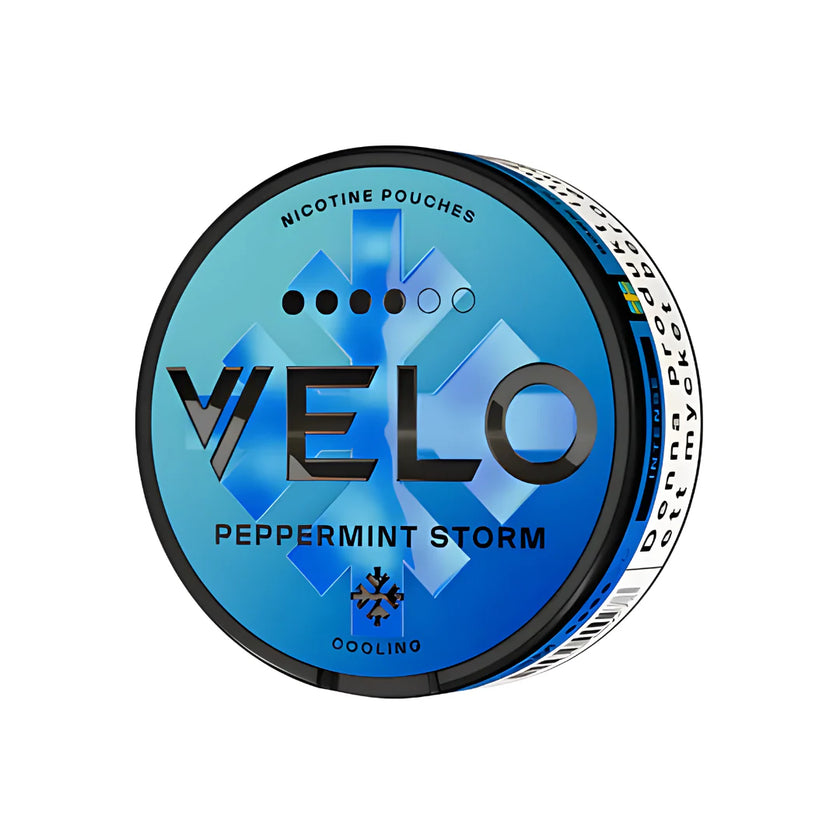
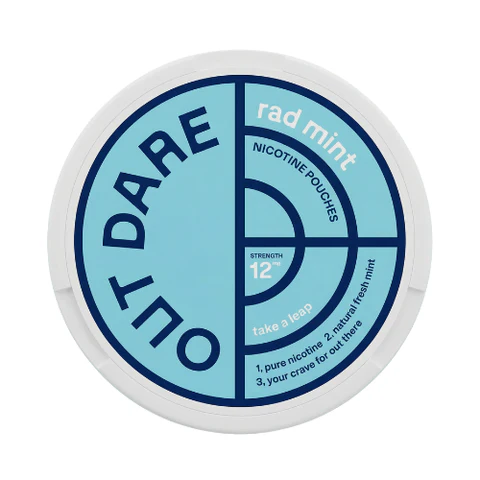
- Nicotine pouches: Tobacco-free, smoke-free, and discreet. A small soft pouch placed between the upper lip and gum delivers nicotine without any combustion, vapor, or smell. Available in strengths from 2mg up to 50mg, in formats including slim, mini, and large.
According to NHS Better Health, using NRT correctly can significantly increase quit success rates compared to going cold turkey alone [6]. Combination NRT (for example, a patch for background coverage plus a faster-acting product for craving spikes) tends to outperform single-product approaches.
Nicotine Pouches as a Smoke-Free Alternative
Nicotine pouches have grown substantially in popularity across Europe as a tobacco-free, smoke-free format. They contain no tobacco leaf — just pharmaceutical-grade nicotine, fillers, and flavoring. You place one under your lip, leave it for 20–60 minutes, then discard it. No smoke. No vapor. No smell.
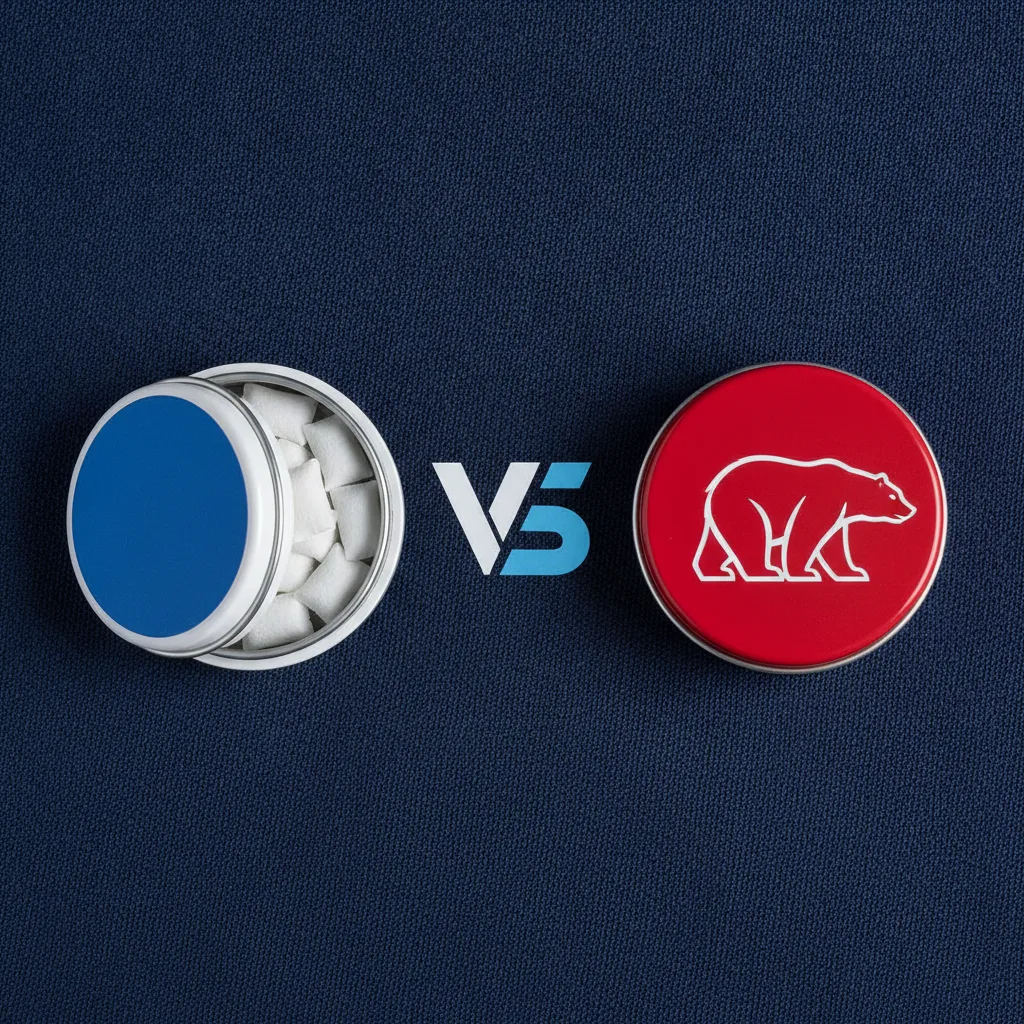
For context on the difference between traditional snus and modern nicotine pouches, our guide on snus vs nicotine pouches differences covers the key distinctions clearly. This directly impacts how to quit smoking tips outcomes.
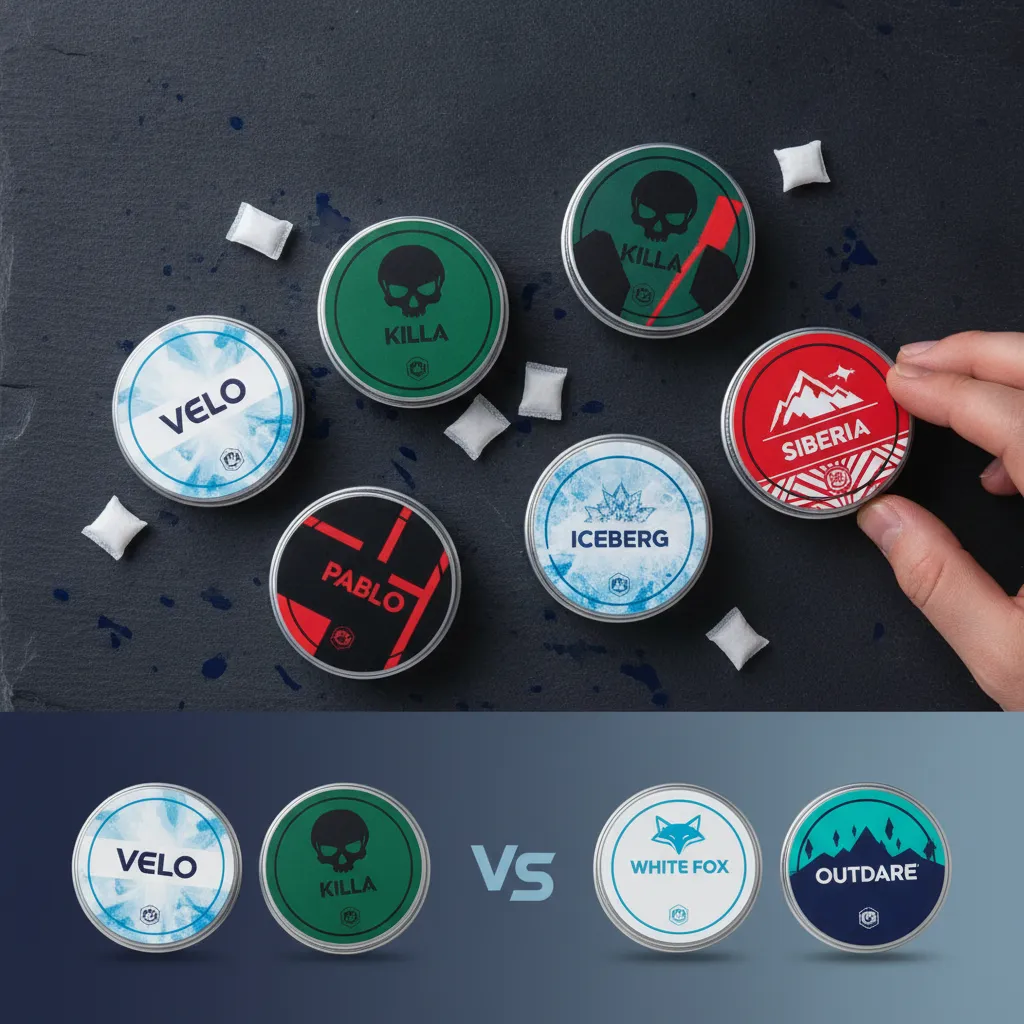
At DarePouch, we've found that people switching from cigarettes typically start around 6mg to 8mg per pouch — enough to address nicotine cravings without overwhelming. If you're a heavier smoker (20+ cigarettes per day), 10mg to 14mg may be a more accurate starting point. Brands like VELO and White Fox offer reliable, well-calibrated options at these strengths.
One thing worth knowing: nicotine pouches carry their own considerations. Some users report a tingling sensation, particularly at higher strengths — our article on the nicotine pouches tingle sensation explains why this happens and what to expect. As with any nicotine product, long-term use has trade-offs, and our piece on nicotine pouch gum recession covers what to watch for with extended use.
For a broader overview of products in this space, our guide to best quit smoking products compares the most commonly used options side by side.
Note: nicotine pouches are not a medically approved cessation treatment. They are a tobacco-free, smoke-free alternative to cigarettes. Whether they fit into your personal approach is a decision to make with your own judgment and, where relevant, your doctor.
Pro Tip: If you're using nicotine pouches to step away from cigarettes, track your strength over time. Start at the level that satisfies the craving, then step down by one strength tier every 4–6 weeks. The goal is a gradual reduction, not an immediate cut-off. For additional context on planning your approach, resources like Agents can provide useful decision-support frameworks.
5. Lifestyle Changes and Mindset That Stick
The behavioral and lifestyle side of quitting is where most guides go thin — but it's often the difference between a three-week quit and a permanent one.
Build New Habits Into the Gaps Smoking Left
Smoking isn't just a nicotine habit. It's a time-structuring habit. Most smokers take 8–12 smoke breaks per day. When those disappear, you have a lot of unstructured minutes that the brain will try to fill with the old behavior. This is particularly relevant for how to quit smoking tips.
- Replace the break, not just the cigarette: Still take your breaks. Walk, stretch, get a drink. The break itself is valuable — just remove the cigarette from it.
- Add exercise, even lightly: Rush University Medical Center lists exercise as one of its top 10 cessation strategies, noting it reduces both cravings and the weight gain some people experience after quitting [7].
- Improve sleep: Nicotine withdrawal disrupts sleep in the first 1–2 weeks. Prioritizing sleep hygiene during this period reduces irritability and craving intensity.
- Reduce alcohol temporarily: Alcohol is one of the most common relapse triggers. Many people find that cutting back in the first month significantly reduces slip-ups.
For those exploring energy pouches as a functional alternative to the alertness cigarettes provided, our article on energy pouches for focus covers caffeine-based pouches with ingredients like L-theanine and B-vitamins — nicotine-free options that some people find useful during the transition.
Mindset: Reframe the Quit as a Gain, Not a Loss
One common mistake is framing quitting as deprivation. "I can't smoke" creates resistance. "I don't smoke anymore" is an identity statement — and identity-based framing is more durable than rule-based framing.
- Track your smoke-free days visually — a simple calendar with X marks works
- Calculate what you're saving financially and redirect that money to something visible
- Acknowledge that some days will be harder than others — this is normal, not a sign you're failing
- If you slip, treat it as data, not defeat. What triggered it? What will you do differently next time?
According to MedlinePlus, setting short-term goals and rewarding yourself for hitting them is a consistently effective behavioral strategy for sustaining quit attempts [8].
How to Choose the Right Quit Strategy for You
The right approach depends on your smoking history, your triggers, and how your body responds to nicotine reduction. There's no universal answer — but there are useful decision points.
Decision Framework: Matching Strategy to Situation
- Heavy smoker (20+ cigarettes/day), high dependence: Combination NRT (background + acute) is likely the most effective starting point. Consider professional support alongside it.
- Moderate smoker (10–20/day), habit-driven: Behavioral strategies plus a single NRT format (nicotine pouches or gum) often work well. Focus heavily on trigger identification.
- Light smoker (fewer than 10/day), mostly social: Behavioral changes and oral substitutes may be sufficient. Nicotine management may not be necessary at all.
- Previous failed attempts: Analyze what worked and what didn't. If cold turkey failed, try gradual reduction. If patches didn't hold, try a faster-acting format for craving spikes.
From experience working with thousands of customers across Europe, the people who succeed tend to combine at least two strategies: one that addresses the physical nicotine need, and one that addresses the behavioral habit. Neither alone is as effective as both together.
| Approach | Best For | Key Limitation |
|---|---|---|
| Cold turkey | Light smokers, strong social support | Lower success rate for heavy smokers; intense first week |
| Gradual reduction | People who struggle with abrupt stops | Requires strict tracking; easy to plateau |
| NRT (patches/gum/lozenges) | Moderate to heavy smokers | Doesn't address behavioral triggers directly |
| Nicotine pouches | Discreet, smoke-free nicotine management | Not a medical cessation product; nicotine dependence continues |
| Behavioral-only (no NRT) | Light, social, or habit-driven smokers | Challenging for those with strong physical dependence |
Sources & References
- CDC, "Tips For Quitting | Tips From Former Smokers," 2026
- Smokefree.gov, "Quit Smoking or Vaping Today – We Can Help," 2026
- Massey Cancer Center, "Tips for Quitting Smoking," 2026
- Mayo Clinic, "Quitting smoking: 10 ways to resist tobacco cravings," 2026
- American Lung Association, "Quit Smoking & Vaping," 2026
- NHS Better Health, "Quit smoking," 2026
- Rush University Medical Center, "10 Smoking Cessation Tips," 2026
- MedlinePlus, "Tips on how to quit smoking," 2026
Frequently Asked Questions
1. What is the most effective way to quit smoking?
The most effective approach combines behavioral strategies with some form of nicotine management — not willpower alone. Research consistently shows that identifying personal triggers, setting a specific quit date, and using a nicotine replacement product (patch, gum, pouch, or lozenge) together outperforms any single method. Most people also benefit from at least one source of social support, whether that's a friend, a quit-smoking program, or an online community. When considering how to quit smoking tips, this point stands out.
2. What is the 3-3-3 rule for quitting nicotine?
The 3-3-3 rule is a practical craving-management framework: when a craving hits, name 3 things you can see, 3 things you can hear, and 3 things you can physically touch. This grounding technique shifts your attention away from the craving and engages your senses, interrupting the automatic urge-to-smoke loop. It works because most cravings peak within 3–5 minutes — by the time you've completed the exercise, the intensity has typically dropped significantly.
3. What are the 5 steps to quitting smoking?
A widely referenced framework breaks quitting into five steps: (1) Set a specific quit date. (2) Tell people close to you so they can support and hold you accountable. (3) Anticipate your personal challenges — map your triggers and plan your responses. (4) Remove cigarettes and associated items from your environment before the quit date. (5) Choose your nicotine management strategy (cold turkey, NRT, gradual reduction) and commit to it. These steps are outlined in detail by organizations including the Massey Cancer Center.
4. What kills the urge to smoke?
Physical movement is the most consistently effective craving suppressant — even a 5-minute walk measurably reduces urge intensity. Cold water, deep breathing, and oral substitutes (gum, mints, nicotine pouches) also address the craving directly. The key is having a specific plan before the craving hits, not improvising in the moment. Knowing that cravings peak at 3–5 minutes and then fade also helps — every craving becomes a countdown rather than an open-ended battle.
5. Is it better to quit smoking gradually or all at once?
Both approaches can work — the right one depends on you. Cold turkey (stopping all at once) works well for people with strong social support and lighter dependence. Gradual reduction suits people who struggle with abrupt stops, but it requires strict tracking to avoid plateauing at a reduced-but-not-zero level. The NHS notes that both methods are valid, and the most important factor is having a concrete plan rather than the specific method you choose.
6. How do I handle social situations where others are smoking?
Social triggers are among the most common relapse causes. Prepare a short, confident script: "I don't smoke anymore." You don't need to explain or justify. In the early weeks, it's legitimate to avoid high-risk social situations temporarily — bars, smoking areas, parties with heavy smokers. When you can't avoid them, keep your hands occupied (drink, phone, gum), position yourself away from the smoking group, and have a craving plan ready before you arrive.
Bottom Line
The best how to quit smoking tips aren't secrets — they're consistent. Set a date. Map your triggers. Have a craving plan that doesn't rely on willpower alone. And choose a nicotine management approach that fits your actual dependence level, not the one that sounds most dramatic.
Most people don't quit on their first attempt. That's normal, not failure. Each attempt teaches you something about your specific triggers and what works for your body. The people who eventually succeed treat each attempt as information, not evidence that quitting is impossible for them.
If you're exploring tobacco-free, smoke-free alternatives to cigarettes as part of your approach, DarePouch stocks 600+ nicotine, energy, and CBD pouches from 55+ brands — stored in climate-controlled conditions and dispatched same-day from Denmark. Every product in the catalog has been personally tested by founder Thomas Agaraté, who has used pouches daily since 2014 and tested 500+ products. If you want expert guidance on which strength or format to start with, the blog is the most detailed free resource in Europe on this topic.
Recommended Articles
Explore more from our content library:


