

| Key Insight | Explanation |
|---|---|
| Two-stage progression | Nicotine poisoning typically unfolds in two phases: an early stimulant phase (nausea, racing heart) followed by a depressant phase (slowed breathing, weakness) if exposure continues. |
| Strength matters enormously | High-strength pouches (20mg–50mg+) carry a significantly higher risk of triggering overdose symptoms than standard 6mg–8mg options, especially in new or low-tolerance users. |
| Pouches vs. other nicotine sources | Nicotine from pouches absorbs more slowly than from cigarettes, but stacking multiple pouches or using very high-strength formats can still cause toxic nicotine levels. |
| Children are at serious risk | A single high-strength pouch can deliver a dangerous or even lethal nicotine dose to a small child. Secure storage is critical in households with young children or pets. |
| Most adult cases are mild | For healthy adults, overdose symptoms from pouches are typically mild and self-limiting. Severe poisoning requiring emergency care is rare but possible at very high intake levels. |
| Prevention is straightforward | Starting at an appropriate strength, limiting daily pouch count, and never stacking multiple pouches simultaneously eliminates most overdose risk for adult users. |
Nicotine overdose symptoms pouches can trigger range from mild nausea and dizziness to a racing heart, cold sweats, and in severe cases, vomiting and difficulty breathing. Nicotine overdose (also called nicotine poisoning or "nic-sickness") occurs when you absorb more nicotine than your body can comfortably process. It's not common in adults who use pouches responsibly, but it does happen — especially when someone uses too many pouches at once, starts with a strength that's far too high for their tolerance, or accidentally stacks multiple nicotine products. This guide covers exactly what those symptoms look and feel like, why they happen, how to respond, and how to avoid them entirely.
What Is Nicotine Overdose from Pouches?: nicotine overdose symptoms pouches
Nicotine overdose from pouches occurs when the total nicotine absorbed into your bloodstream exceeds your body's tolerance threshold, triggering a toxic physiological response that affects the nervous, cardiovascular, and gastrointestinal systems. This is particularly relevant for nicotine overdose symptoms pouches.
Defining Nicotine Toxicity: The Threshold That Matters
Nicotine is a stimulant alkaloid that acts on nicotinic acetylcholine receptors (nAChRs) throughout the central and peripheral nervous systems. At low doses, it produces the familiar buzz: mild alertness, relaxed focus, and a light nicotine hit. Exceed your personal threshold, though, and those same receptors become overstimulated.
According to the Cleveland Clinic, nicotine poisoning can occur from any nicotine source — patches, gum, cigarettes, or pouches [1]. The estimated toxic dose for adults is roughly 30–60mg of nicotine absorbed, though individual sensitivity varies considerably based on body weight, tolerance, and metabolic rate.
For context, a standard 6mg pouch delivers somewhere between 1mg and 3mg of bioavailable nicotine after absorption. A 20mg pouch delivers proportionally more. So the math matters when you're choosing your strength. When considering nicotine overdose symptoms pouches, this point stands out.
Are Nicotine Pouches More or Less Risky Than Other Sources?
Nicotine from pouches absorbs through the oral mucosa (the lining of your gums and cheeks) more slowly than nicotine inhaled from a cigarette. That slower absorption curve generally means a gentler onset and a lower peak plasma concentration for a given dose. However, two factors can override that advantage:
- Very high-strength pouches: Products like Pablo (30mg+) or Siberia (43mg+) deliver nicotine loads that can push even experienced users into discomfort territory.
- Stacking or extended use: Research published in the journal Nicotine & Tobacco Research documented cases of nicotine toxicity from repeat use of nicotine pouches, where cumulative absorption from using multiple pouches in succession caused symptoms consistent with moderate nicotine poisoning [2].
Bottom line: pouches aren't inherently more dangerous than other nicotine formats, but the wide strength range (4mg to 50mg+) means the risk profile varies dramatically depending on what you choose.
Recognizing Nicotine Overdose Symptoms from Pouches
Nicotine overdose symptoms from pouches typically begin within 15–60 minutes of use and include nausea, dizziness, increased heart rate, sweating, headache, and abdominal discomfort, with severity scaling directly with the dose absorbed. For those exploring nicotine overdose symptoms pouches, this matters.
The Full Symptom Spectrum: Mild to Severe
The American Lung Association describes "nic-sickness" as a cluster of symptoms that most people recognize immediately — and that resolve once you remove the nicotine source [3]. Here's the full picture, organized by severity:
| Severity Level | Common Symptoms | Typical Cause in Pouch Users |
|---|---|---|
| Mild | Nausea, dizziness, headache, increased salivation, light sweating | Slightly too-high strength for current tolerance; first-time use |
| Moderate | Vomiting, abdominal cramps, rapid heart rate, pale skin, tremors, anxiety | Using multiple pouches simultaneously; jumping to very high-strength products |
| Severe | Difficulty breathing, confusion, seizures, loss of consciousness, dangerously low blood pressure | Extremely high intake; accidental ingestion (especially in children) |
According to MedlinePlus, severe symptoms like seizures and respiratory depression represent a medical emergency and require immediate professional care [4]. For adult pouch users, though, most experiences fall firmly in the mild-to-moderate range.
What Does Nic-Sickness Actually Feel Like?
From experience, the first sign is usually a wave of nausea that hits 20–30 minutes into using a pouch that's too strong. It's often accompanied by a cold sweat and a vague sense of unease. Your heart rate picks up. Some people describe a buzzing sensation in the head that quickly tips from pleasant to overwhelming. This directly impacts nicotine overdose symptoms pouches outcomes.
The key distinction from normal nicotine effects: the sensation doesn't plateau. With the right-strength pouch, the buzz peaks and settles. With too much nicotine, the discomfort keeps building until you remove the pouch and let your body clear the excess.
Pro Tip: If you feel nausea or a racing heart within 30 minutes of placing a pouch, remove it immediately. Don't wait for symptoms to pass on their own while the pouch is still in place — you're continuing to absorb nicotine the entire time it sits against your gum.
How Nicotine Poisoning Progresses: The Two Phases
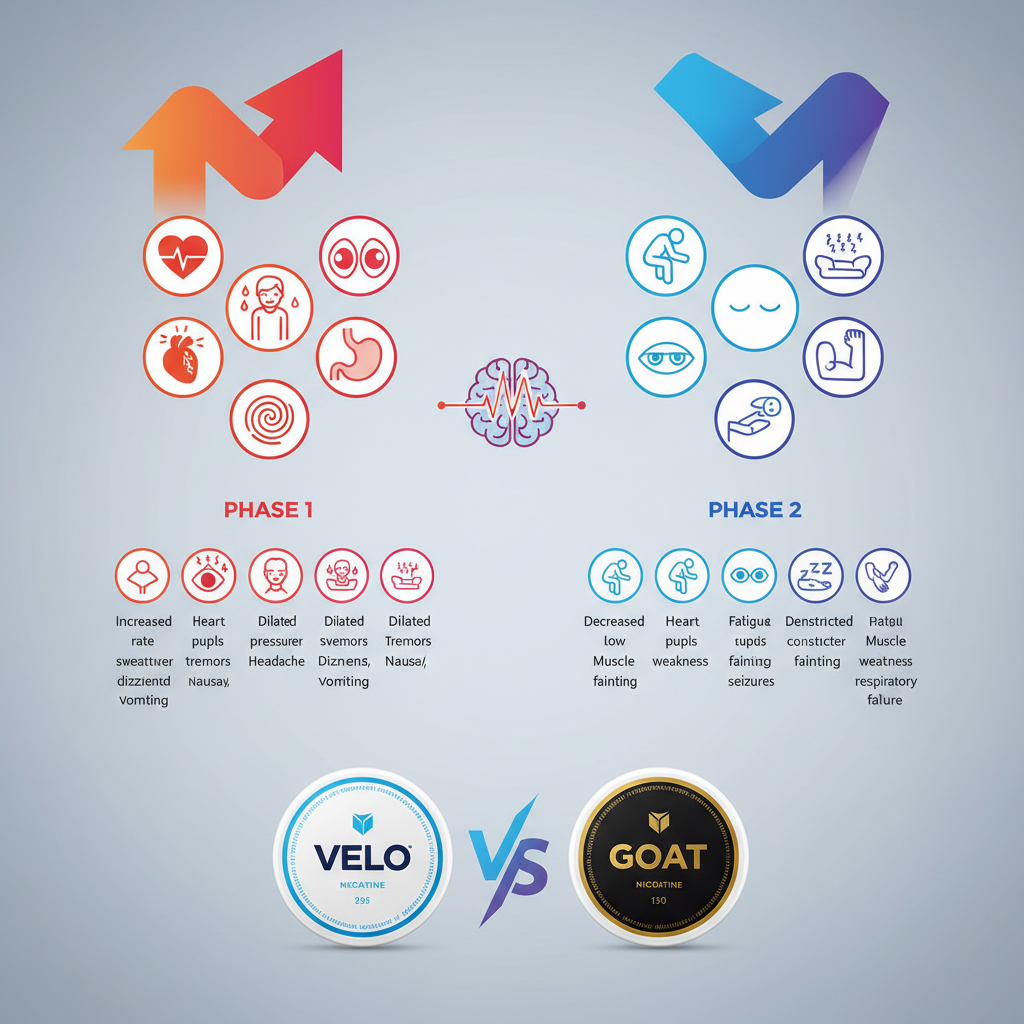
Nicotine poisoning in adults typically progresses through two distinct phases: an early stimulant phase driven by nervous system activation, followed by a depressant phase if nicotine levels remain elevated.
Phase 1: The Stimulant Stage
The first phase is driven by nicotine's agonist action on nAChRs, flooding the autonomic nervous system with stimulatory signals. Symptoms during this phase include: This is particularly relevant for nicotine overdose symptoms pouches.
- Nausea and excess saliva production
- Elevated heart rate and blood pressure
- Dizziness and lightheadedness
- Headache
- Abdominal cramping
- Sweating and skin pallor
- Tremors or muscle twitching
- Agitation or restlessness
Research published in Nicotine & Tobacco Research notes that typical features of moderate-to-severe nicotine toxicity in the early stage include headache, confusion, tremors, and restlessness [2]. For most pouch users, symptoms resolve at this stage once the pouch is removed.
Phase 2: The Depressant Stage
If nicotine exposure continues or the initial dose was very large, the body's response shifts. The same receptors that were overstimulated begin to desensitize and shut down, producing a depressant effect:
- Slowed heart rate (bradycardia)
- Low blood pressure
- Slowed, labored, or shallow breathing
- Severe weakness or muscle paralysis
- Confusion or loss of consciousness
- In extreme cases, seizures
Phase 2 is rare in adult pouch users using standard products. It's most commonly seen in cases of accidental ingestion, particularly in children. The Children's Hospital of Richmond notes that nicotine toxicity can cause fast heart rate, high blood pressure, sweating, muscular twitching, agitation, tremors, and even seizures in young children who ingest pouches [5]. When considering nicotine overdose symptoms pouches, this point stands out.
Pro Tip: The two-phase model is why you shouldn't assume you're "through the worst" just because initial symptoms subside. If you've ingested (swallowed) a pouch rather than just held it in your mouth, absorption continues in the gut and symptoms can return or worsen. Seek medical advice if you've swallowed a pouch.
Risk Factors and Common Mistakes That Lead to Overdose
The most common risk factors for nicotine overdose symptoms from pouches are choosing a strength far above your tolerance, using multiple pouches simultaneously, and combining pouches with other nicotine products.
Who Is Most at Risk?
Nicotine overdose doesn't discriminate, but some groups face meaningfully higher risk:
- New users: No established tolerance means even a 6mg pouch can cause mild nic-sickness in someone who has never used nicotine before.
- People switching from low-nicotine products: If you've been using 3mg pouches and jump straight to a 20mg product, your body isn't prepared for that jump.
- Users of ultra-high-strength products: Brands like Pablo (30mg+), Siberia (43mg), or ICEBERG (50mg+) are not beginner-friendly. These are strictly for users with established high tolerance.
- Children and pets: The U.S. Food and Drug Administration (FDA) specifically warns that nicotine pouches pose a serious poisoning risk to children and pets, with effects including confusion, vomiting, and loss of consciousness [6].
- People who double-dose or stack: Using two pouches at the same time, or placing a fresh pouch before the previous one has fully cleared, doubles your absorption rate.
The Most Common Mistakes in Practice
A common mistake is treating pouch strength like a simple preference choice rather than a physiological decision. In practice, the difference between a 6mg and a 20mg pouch isn't just "stronger buzz" — it's a fundamentally different nicotine load that your body processes very differently. For those exploring nicotine overdose symptoms pouches, this matters.
Another pitfall: combining pouches with other nicotine products. If you're also vaping, smoking, or using nicotine gum on the same day as pouches, your total daily nicotine intake can easily exceed safe thresholds without you realizing it. According to Quit Tobacco San Diego, stacking multiple nicotine sources is one of the leading causes of nic-sickness in adults [7].
One more: keeping pouches within reach of children. The Henry Ford Health System emphasizes that the colorful, appealing packaging of many pouch brands makes them particularly attractive to young children, who can ingest a dangerous dose before any adult realizes what happened [8].
What to Do If You Experience Nicotine Overdose Symptoms
If you experience nicotine overdose symptoms from pouches, the immediate priority is to remove the pouch, stay calm, and monitor symptoms — with emergency services required only if symptoms are severe or involve a child. This directly impacts nicotine overdose symptoms pouches outcomes.
Step-by-Step Response for Adults
- Remove the pouch immediately. Stop all nicotine absorption at the source. Don't "ride it out" with the pouch still in place.
- Spit out any excess saliva. Swallowing nicotine-saturated saliva continues absorption through your digestive tract.
- Sit or lie down in a comfortable position. Dizziness increases fall risk. Get low and stay still.
- Drink water slowly. Hydration supports your body's clearance process. Don't gulp — nausea is already present.
- Avoid additional nicotine in any form. No cigarettes, no vaping, no other pouches until symptoms fully resolve.
- Wait and monitor. Mild symptoms typically resolve within 30–60 minutes once the nicotine source is removed.
- Seek medical attention if symptoms escalate. Vomiting that won't stop, difficulty breathing, confusion, or chest pain are signals to call emergency services.
When to Call Emergency Services
For adults, emergency care is rarely needed for pouch-related nic-sickness. But don't hesitate to call if:
- A child has ingested a pouch (even a partial one)
- You're experiencing difficulty breathing or chest pain
- Symptoms include confusion, seizures, or loss of consciousness
- Vomiting is severe and persistent
- A pet has accessed and consumed pouches
In Europe, the general emergency number is 112. In the UK, call 999. You can also contact your national Poison Control Center for guidance. The MedlinePlus nicotine poisoning resource recommends contacting Poison Control as a first step even for mild suspected poisoning cases [4].
Pro Tip: If a child has swallowed a pouch, don't induce vomiting unless specifically instructed by a medical professional. Call emergency services or Poison Control immediately and keep the packaging so you can report the exact nicotine content to the responders.
Safe Use Best Practices for 2026
Preventing nicotine overdose symptoms from pouches comes down to three things: choosing the right strength for your tolerance, limiting daily intake to a sensible ceiling, and storing products securely away from children and pets. This is particularly relevant for nicotine overdose symptoms pouches.
Choosing the Right Strength
Strength selection is the single biggest lever you have over your risk profile. Here's a practical framework:
| Your Profile | Recommended Starting Strength | Brands to Consider |
|---|---|---|
| Non-smoker / first-time user | 2mg–4mg | ZYN 3mg, On! 3mg |
| Light smoker (<10 cigarettes/day) | 4mg–6mg | VELO 4mg, Nordic Spirit 6mg |
| Moderate smoker (10–20 cigarettes/day) | 6mg–10mg | ZYN 6mg, White Fox 10mg |
| Heavy smoker (>20 cigarettes/day) | 10mg–14mg | Killa 14mg, VELO 10mg |
| Experienced pouch user, high tolerance | 16mg–20mg | Killa 16mg, White Fox Strong |
| Very high tolerance only | 20mg–50mg+ (use with caution) | Pablo, Siberia, ICEBERG Ultra |
At DarePouch, we've found that the most common reason new customers experience nic-sickness is jumping straight to high-strength products because they assume their cigarette habit means they can handle it. Smoking and pouch use deliver nicotine differently. Start lower than you think you need.
Daily Intake Limits and Storage Rules
There's no universally agreed "safe maximum" for daily pouch use, but practical guidance points to a sensible ceiling. Most experienced users stay within 8–15 pouches per day at standard strengths. Going significantly above that, particularly with mid-to-high-strength products, increases cumulative nicotine exposure into uncomfortable territory. When considering nicotine overdose symptoms pouches, this point stands out.
Our team at DarePouch recommends these non-negotiable storage rules:
- Keep all pouch tins in a locked drawer or cabinet if children are in the household
- Never leave open tins on countertops, tables, or car cup holders
- Treat the used pouch compartment in your tin as a hazard — dispose of used pouches promptly
- Don't store pouches in the same bag or pocket as food items that children might reach for
The FDA's guidance on nicotine pouch storage specifically highlights that colorful, appealing packaging increases the risk of accidental child ingestion [6]. This is a real concern — and one that responsible adult users can eliminate entirely with simple habits.


Sources & References
- Cleveland Clinic, "Nicotine Poisoning: What It Is, Symptoms, Causes & Treatment"
- Nicotine & Tobacco Research, "Nicotine Toxicity From Repeat Use of Nicotine Pouches"
- American Lung Association, "What it Means to be Nic-Sick"
- MedlinePlus, "Nicotine poisoning: MedlinePlus Medical Encyclopedia"
- Children's Hospital of Richmond, "Nicotine pouches pose poisoning danger for young kids"
- U.S. Food and Drug Administration, "Properly Store Nicotine Pouches to Prevent Accidental Exposure to Children and Pets"
- Quit Tobacco San Diego, "Nicotine Poisoning: What It Is, What It Feels Like, and How to Avoid It"
- Henry Ford Health System, "What Parents Need To Know About Nicotine Pouch Poisoning"
- Vaping360, "Can You Overdose on Nicotine Pouches?"
Frequently Asked Questions
1. How do you tell if you're overdosing on nicotine from a pouch?
Nicotine overdose symptoms from pouches typically begin within 15–60 minutes and include nausea, dizziness, a rapid or pounding heart rate, sweating, headache, abdominal cramps, and pale skin. The critical distinction from normal nicotine effects is that these symptoms keep intensifying rather than plateauing. Remove the pouch immediately if you notice any of these signs — continued absorption will worsen the situation. According to the Cleveland Clinic, severe symptoms like difficulty breathing, confusion, or seizures require emergency medical care [1]. For those exploring nicotine overdose symptoms pouches, this matters.
2. Is using 20 nicotine pouches a day too much?
Whether 20 pouches per day is too much depends entirely on the strength of each pouch and your established tolerance. Twenty pouches at 3mg each totals roughly 60mg of nicotine content — already at the upper boundary of what's considered manageable for high-tolerance adults. Twenty pouches at 10mg each is 200mg of nicotine content, which is dangerous territory even for heavy users. The practical guideline: keep your total daily nicotine load below 50mg of absorbed nicotine, which generally means staying well under 10 pouches per day at standard 6mg–8mg strengths. If you're consistently needing 20+ pouches to feel satisfied, the more productive fix is stepping up to a higher strength rather than increasing volume.
3. Can you die from nicotine poisoning caused by pouches?
Fatal nicotine poisoning from adult pouch use is extremely rare in practice — the nausea and vomiting response typically limits how much nicotine your body will absorb before you stop using the product. However, the theoretical lethal dose of nicotine for adults is estimated at 30–60mg absorbed, and for children it's far lower. A single high-strength pouch (20mg–50mg) could theoretically deliver a dangerous or lethal dose to a small child if ingested. This is why the FDA treats child-safe storage as a serious safety priority [6].
4. What's the difference between mild nic-sickness and serious nicotine poisoning?
Mild nic-sickness (nausea, dizziness, headache, light sweating) is the body's early warning system — unpleasant but self-limiting, typically resolving within 30–60 minutes after removing the pouch. Serious nicotine poisoning goes further: persistent vomiting, significant tremors, confusion, difficulty breathing, a very rapid or erratic heart rate, or any loss of consciousness. The American Lung Association notes that the escalation from discomfort to medical emergency is most likely when nicotine intake continues despite early warning symptoms [3]. Remove the pouch at the first sign of discomfort — don't push through it.
5. Can ZYN or other standard-strength pouches cause nicotine overdose?
Yes, though it's much less likely than with high-strength products. ZYN's most popular strengths (3mg and 6mg) are designed for moderate use, and a single pouch used as directed is unlikely to cause overdose symptoms in a healthy adult with any prior nicotine experience. The risk rises if you're a complete nicotine novice, if you use multiple ZYN pouches simultaneously, or if you combine them with other nicotine sources like vaping. As Vaping360 notes, overconsuming even moderate-strength pouches can yield mild symptoms of nicotine poisoning [9].
6. How long does nic-sickness from pouches last?
Mild nicotine overdose symptoms from pouches typically resolve within 30 minutes to 2 hours after removing the nicotine source. Symptoms tend to peak quickly after you stop absorbing nicotine, then gradually ease as your body metabolizes the excess. Drinking water, resting in a cool position, and avoiding any further nicotine exposure speeds recovery. Severe cases, or cases involving ingestion rather than just oral placement, can last longer and may require medical support to manage symptoms like persistent vomiting or cardiovascular effects.
Conclusion
Nicotine overdose symptoms from pouches are real, recognizable, and — critically — almost entirely preventable with the right approach to strength selection and daily use limits. The core message is straightforward: start lower than you think you need, don't stack multiple pouches, and never combine pouches with other nicotine products on the same day without accounting for total intake. If you do experience nic-sickness, remove the pouch immediately, stay hydrated, and rest. Symptoms resolve on their own in most adult cases.
The more serious concern is accidental access by children. A single high-strength pouch is a genuine poisoning risk for a small child, and that risk is eliminated entirely by secure storage.
At DarePouch, every product in our catalog is clearly labeled with its nicotine content, and our strength guides exist precisely so you can make an informed choice before you buy. With 500+ products spanning 4mg entry-level options all the way to ultra-high-strength formats, there's a right pouch for every tolerance level. The goal is always a satisfying, comfortable experience — not one that ends with you feeling unwell.
Recommended Articles
Explore more from our content library:


