

| Belangrijkste inzicht | Toelichting |
|---|---|
| Begin met de juiste sterkte | De meeste rokers die overstappen op nicotinezakjes beginnen het best bij 6mg–8mg. Te laag en je houdt cravings; te hoog en je wordt misselijk of duizelig. |
| Vervang, vul niet aan | Gebruik zakjes als directe vervanging voor sigaretten, niet ernaast. Elk zakje vervangt één sigarettenmoment. |
| Klinisch bewijs ondersteunt de overstap | Een in 2025 door de NIH gepubliceerde studie toonde aan dat zowel 3mg als 6mg nicotinezakjes het sigarettengebruik significant verminderden over 4 weken [1]. |
| Geen rook, geen tabak, geen verbranding | Nicotinezakjes bevatten geen tabaksblad, produceren geen rook en laten geen geur achter — wat ze op chemisch niveau wezenlijk anders maakt dan sigaretten. |
| Geleidelijk afbouwen werkt beter dan abrupt stoppen | Sigaretten één voor één vervangen — te beginnen met de makkelijkste momenten — bouwt duurzame gewoontes op in plaats van een terugval te triggeren. |
| Formaat en smaak maken het verschil | Slim zakjes passen discreet onder de bovenlip; vochtige zakjes geven nicotine sneller af. Je smaakkeuze bepaalt of je het bijhoudt — kies er een die je écht wil gebruiken. |
Waarom steeds meer rokers in 2026 de overstap maken: overstappen van sigaretten op nicotinezakjes
Als je klaar bent om over te stappen van sigaretten op nicotinezakjes, sta je er niet alleen voor — en je begint ook niet bij nul. Nicotinezakjes zijn kleine tobacco-free zakjes die je onder de bovenlip plaatst en nicotine afgeven zonder rook, as of de verbrandingsproducten die sigaretten zo schadelijk maken. De wereldwijde markt voor nicotinezakjes groeit met meer dan 35% per jaar, en door heel Europa kiezen volwassen rokers er steeds vaker voor als een praktisch, discreet alternatief voor sigaretten en vapen.
Deze gids neemt je mee door het volledige proces: de juiste sterkte kiezen, een formaat bepalen, sigaretten geleidelijk vervangen en de eerste week doorkomen. Wilskracht alleen is niet genoeg. Je hebt een helder plan en het juiste product nodig. Dit is extra relevant voor iedereen die overstapt van sigaretten op nicotinezakjes.
Geschatte tijd voor de overstap: 2–6 weken voor de meeste rokers. Moeilijkheidsniveau: gemiddeld. Het proces is overzichtelijk, maar de juiste sterkte kiezen op dag één bepaalt of het slaagt of mislukt.

Wat je nodig hebt voordat je begint
Voordat je ook maar één sigaret vervangt, breng je in kaart wat je echt nodig hebt — zowel praktisch als qua kennis. Onvoorbereid beginnen is de meest voorkomende reden waarom mensen binnen 48 uur afhaken met nicotinezakjes.
Voorkennis
- Je huidige dagelijkse sigarettenverbruik (dat bepaalt je beginsterkte)
- Basiskennis van hoe nicotinezakjes werken (je kauwt er niet op — ze liggen tussen je lip en tandvlees)
- Besef dat nicotinezakjes de keelkick of het hand-naar-mond-ritueel van roken niet nabootsen — dat is een bewuste afweging, geen gebrek
- Realistische verwachtingen: cravings zullen er in week één nog zijn, zeker bij gedragsgebonden triggers zoals ochtendkoffie of sigaretten na het eten
Producten die je nodig hebt
- Een starter-blikje nicotinezakjes afgestemd op jouw sterkte (zie Stap 1)
- Een reserve-blikje — door je voorraad heen raken midden in een craving is een veelvoorkomende terugvalreden
- Een bijhoudmethode (notities-app op je telefoon, een habit tracker of een simpel telschema) om bij te houden welke sigaretten je hebt vervangen
Pro Tip: Bestel bij je eerste aankoop minstens twee verschillende smaken. Smaakvermoeidheid is een echt fenomeen — afwisselen tussen Mint en een fruitige optie gedurende de dag houdt de ervaring fris en vermindert de drang om uit verveling naar een sigaret te grijpen.
Volgens onderzoek gepubliceerd in Nicotine & Tobacco Research en aangehaald door de NIH verbetert een gestructureerd vervangingsplan — in plaats van zakjes ad hoc te gebruiken — de uitkomsten aanzienlijk [1]. Voorbereiding is hier geen optie.
Stap 1: Kies de juiste nicotinesterkte
De juiste nicotinesterkte kiezen is de allerbelangrijkste beslissing die je neemt als je overstapt van sigaretten op nicotinezakjes — kies verkeerd en je valt terug door te weinig, of je wordt ziek van te veel.
Sterkte afstemmen op je rookgewoonte
De sterkte van nicotinezakjes wordt gemeten in milligram per zakje (mg). Dit is niet hetzelfde als de nicotinewaarde op een sigarettenpakje, maar de vergelijking hieronder geeft je een praktisch vertrekpunt.
| Rookgewoonte | Aanbevolen beginsterkte | Voorbeeldmerken |
|---|---|---|
| Lichte roker (minder dan 10 sigaretten per dag) | 3mg – 4mg | ZYN 3mg, VELO 4mg, On! 3mg |
| Gemiddelde roker (10–20 sigaretten per dag) | 6mg – 8mg | ZYN 6mg, VELO 7mg, Nordic Spirit 6mg |
| Zware roker (20+ sigaretten per dag) | 10mg – 14mg | KILLA 14mg, WHITE FOX 12mg, VELO 10mg |
| Zeer zware roker of hoge tolerantie | 16mg – 20mg | PABLO 16mg, ICEBERG 20mg |
Een studie uit 2025 gepubliceerd op PubMed Central toonde aan dat 6mg nicotinezakjes een numeriek grotere sigarettenreductie lieten zien dan 3mg zakjes over een periode van 4 weken, wat erop wijst dat de sterkte afstemmen op je rookgewoonte — in plaats van standaard de laagste te kiezen — betere resultaten oplevert [1].
Wat het mg-getal je niet vertelt
Sterkte gaat niet alleen over het mg-getal. Meerdere factoren bepalen hoe hard een zakje aankomt. Bij de overstap van sigaretten op nicotinezakjes is dit een cruciaal punt.
- Vochtgehalte: Een vochtig zakje geeft nicotine sneller af dan een dry zakje. Een vochtig 8mg-zakje kan sterker aanvoelen dan een dry 10mg-zakje.
- Zakjesformaat: Slim zakjes zitten discreter en geven nicotine langzamer af; zakjes in regulier formaat leveren doorgaans een snellere kick.
- pH-waarde: Formules met een hogere pH (meer alkalisch) verhogen de absorptiesnelheid van nicotine — sommige merken passen dit toe om het effect te versterken zonder het mg-gehalte te verhogen.
- Individuele stofwisseling: Hoe snel je lichaam nicotine verwerkt, verschilt per persoon. De ervaring kan variëren, zeker in de eerste week.
Kortom: begin met de sterkte die overeenkomt met je dagelijkse sigarettenverbruik. Je kunt altijd bijstellen na drie of vier dagen gebruik in de praktijk.
Stap 2: Kies je zakjesformaat en smaak
Als je de sterkte eenmaal hebt bepaald, zijn formaat en smaak doorslaggevend voor of je het zakje lang genoeg volhoudt om de gewoonte te laten inslijten. Deze stap wordt onderschat — de meeste gidsen slaan hem volledig over.
Zakjesformaten uitgelegd
Nicotinezakjes zijn er in drie hoofdformaten:
- Slim: Het populairste formaat in Europa. Smal, discreet en comfortabel voor de hele dag. Een goede keuze voor beginners.
- Mini: Kleiner dan slim. Minder zichtbaar onder de lip. Lagere nicotineafgifte door het kleinere oppervlak — handig als je afbouwt in sterkte.
- Large/Regular: Breder zakje met meer oppervlaktecontact. Snellere, sterkere nicotineafgifte. Meer geschikt voor ervaren gebruikers of zware rokers die een snelle kick nodig hebben.
Voor de meeste mensen die overstappen van sigaretten is het slim-formaat het meest praktische startpunt. Het is comfortabel, discreet genoeg voor sociale situaties en verkrijgbaar in vrijwel elk merk en elke sterktevariant.
Een smaak kiezen die bij jou past
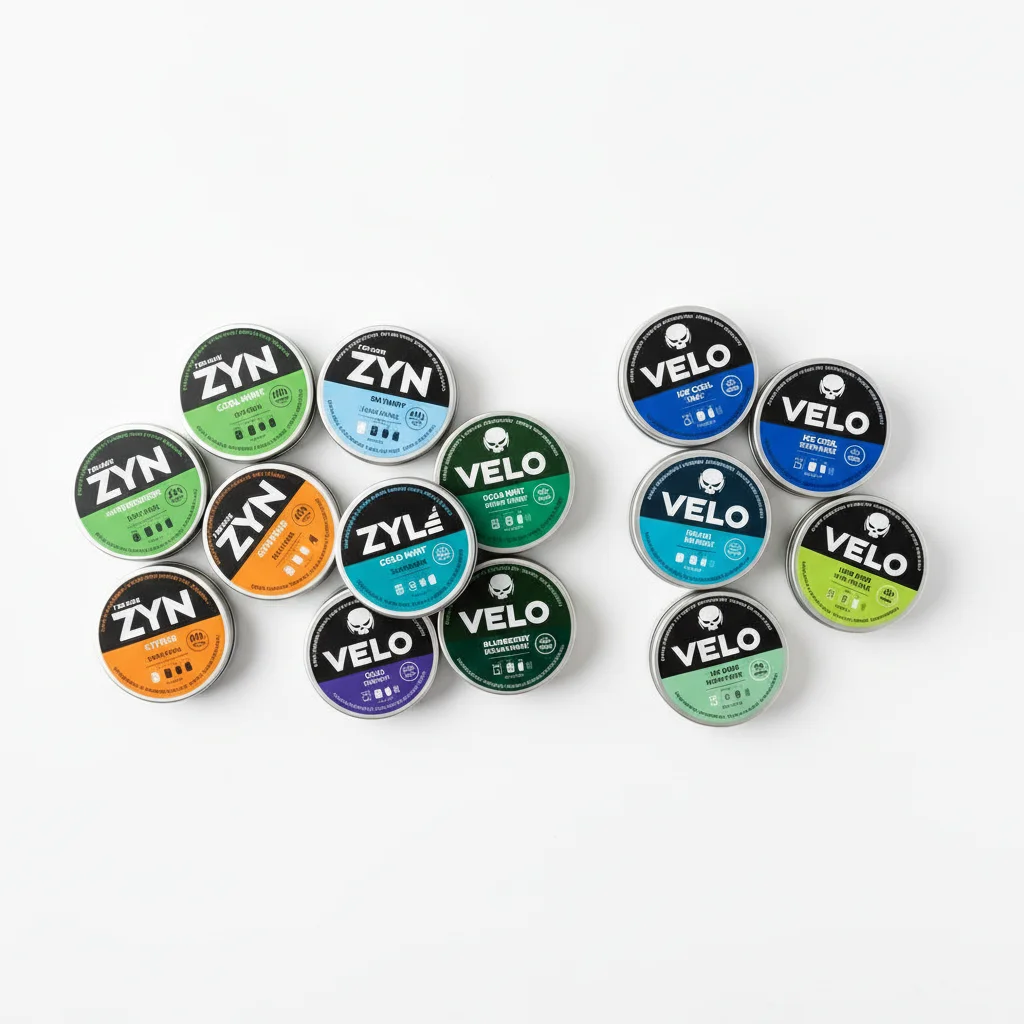
Of je de smaak prettig vindt, is een echte factor in hoe goed je de overstap volhoudt. Als je de smaak niet lekker vindt, grijp je toch naar een sigaret. De belangrijkste smaakcategorieën die verkrijgbaar zijn bij merken als ZYN, VELO, WHITE FOX en NORDIC SPIRIT zijn:
- Mint/Menthol: De populairste categorie. Fris, helder en vertrouwd. Een goede standaardkeuze voor nieuwe gebruikers.
- Fruit: Citrus, bessen, tropisch. Meer variatie; spreekt vaak aan bij jongere volwassenen of mensen die de sigarettensmaak onaangenaam vonden.
- Coffee/Espresso: Vertrouwd voor rokers die sigaretten associëren met hun ochtendkoffieritueel.
- Tobacco-flavored: Overbrugt het smaakgemis voor rokers die de tabakssmaak missen. Merken als ZYN bieden een tabakssmaak zonder daadwerkelijk tabaksblad.
- Unflavored/Neutral: Minimale smaak. Handig voor wie gevoelig is voor sterke smaken of een subtiele ervaring wil.
Pro Tip: Als je 's ochtends rookt, probeer dan een koffiesmaakzakje bij je eerste kop koffie van de dag. Door de vertrouwde zintuiglijke prikkel (koffie) te koppelen aan het nieuwe gedrag (zakje) herprogrammeer je de trigger sneller dan met een neutrale smaak die niet aansluit bij het bestaande ritueel.
Stap 3: Vervang sigaretten één voor één
De meest effectieve manier om over te stappen van sigaretten op nicotinezakjes is geleidelijke vervanging — niet een plotselinge cold-turkey-stop. Vervang één sigarettenmoment tegelijk, te beginnen met de makkelijkste.
De methode van geleidelijke vervanging
- Breng je sigaretten in kaart: schrijf elke sigaret op die je op een doorsnee dag rookt en wanneer (ochtendkoffie, na de lunch, woon-werkverkeer, stressmoment, enzovoort).
- Bepaal de makkelijkste doelwitten: welke sigaretten zijn puur gewoontegedrag in plaats van gedreven door een craving? Dit zijn je startpunten voor vervanging.
- Ruil er één per dag in week één: vervang één sigaret per dag door een nicotinezakje. Probeer ze niet allemaal tegelijk te vervangen.
- Voeg twee vervangingen per dag toe in week twee: verhoog het tempo zodra je lichaam gewend is aan de nicotineafgifte van een zakje.
- Pak de moeilijkste sigaretten als laatste aan: de sigaret na het eten of de eerste van de dag is vaak het meest ingesleten. Bewaar die voor week drie of vier.
- Houd je voortgang bij: noteer elke geslaagde vervanging. Zien hoe het aantal daalt van 20 naar 15 naar 10 is een krachtige gedragsbevestiging.
Onderzoek van het NIH wijst erop dat gestructureerde vervangingsbenaderingen — waarbij elke sigaret bewust wordt vervangen in plaats van willekeurig vermeden — leiden tot consistentere dalingen in het dagelijkse sigarettenverbruik [1]. Branche-analisten op de blog van VELO merken op dat de discrete, draagbare aard van zakjes ze bijzonder praktisch maakt om sigaretten te vervangen in situaties waar niet meer gerookt mag worden — kantoren, openbaar vervoer, restaurants [2]. Voor mensen die de overstap van sigaretten naar nicotinezakjes verkennen, is dat een belangrijk punt.
Omgaan met gedragstriggers
Sigarettencravings bestaan uit twee componenten: fysiek (nicotineonttrekking) en gedragsmatig (de gewoontelus). Nicotinezakjes pakken de fysieke kant direct aan. De gedragsmatige kant vraagt wat meer bewuste inspanning.
- Bewaar een blikje in dezelfde zak of op dezelfde plek waar je vroeger je sigaretten bewaarde
- Gebruik een zakje op hetzelfde moment dat je anders zou hebben gerookt — zelfde trigger, ander gedrag
- Als je de drang voelt om 'iets met je handen te doen', is dat gedragsmatig en niet nicotinegerelateerd — een fidget toy of een glas water helpt hier
Stap 4: Gebruik het zakje op de juiste manier
De juiste plaatsing en het juiste gebruik van een zakje hebben directe invloed op hoeveel nicotine je opneemt en hoe aangenaam de ervaring is. Een zakje verkeerd gebruiken is een van de belangrijkste redenen waarom nieuwe gebruikers zeggen dat 'het niet werkte'.
Juiste plaatsingstechniek
- Was je handen voordat je het zakje aanraakt.
- Leg het zakje onder je bovenlip — tussen je tandvlees en de binnenkant van je bovenlip. De meeste gebruikers plaatsen het iets naar één kant voor meer comfort. Dit gedeelte wordt in naslagwerken ook wel 'the upper deck' genoemd [3].
- Kauw er niet op. Nicotinezakjes zijn geen pruimtabak. Kauwen beschadigt het zakje en geeft te veel nicotine te snel vrij, wat misselijkheid kan veroorzaken.
- Een licht tintelend gevoel is normaal. Dat is de nicotine die wordt opgenomen via het tandvleesweefsel (buccale mucosaresorptie). Dit verdwijnt doorgaans binnen de eerste minuut.
- Laat het zakje 20–60 minuten zitten. De meeste zakjes zijn voor deze tijdsduur ontworpen. De officiële richtlijnen van ZYN raden aan om één zakje tegelijk te gebruiken en zakjes niet opnieuw te gebruiken [4].
- Gooi het zakje correct weg via het afvalvakje in het deksel (het compartiment dat in de meeste blikjes ingebouwd zit) of in de prullenbak. Slik een zakje nooit in.
Nicotineopname: timing begrijpen
Buccale mucosaresorptie (nicotine die via het mondslijmvlies de bloedbaan ingaat) verloopt trager dan inhalatie. Reken erop dat de nicotine in je bloed zijn piek bereikt ongeveer 20–30 minuten nadat je het zakje hebt geplaatst, in tegenstelling tot het vrijwel onmiddellijke effect van een sigaret. Dit is belangrijk om te weten, want het betekent dat je niet na vijf minuten een tweede zakje moet pakken omdat 'het niet werkt'. Geef het de tijd.
Stap 5: Omgaan met trek in de eerste week
De eerste week is het zwaarste deel van de overstap van sigaretten naar nicotinezakjes. Je lichaam went aan een andere manier van nicotine-opname, terwijl je gedragsgewoonten tegelijkertijd worden doorbroken.
Wat je kunt verwachten in de eerste 7 dagen
- Dag 1–2: Je hebt misschien het gevoel dat het zakje niet zo snel "aanslaat" als een sigaret. Dat is normaal. Opname via het mondslijmvlies verloopt trager dan via inhalatie. Weersta de neiging om toch even te roken om bij te tanken.
- Dag 3–4: Je lichaam begint te wennen. De meeste gebruikers merken dat het zakje vanaf dag drie of vier bevredigender begint te voelen.
- Dag 5–7: Gedragsmatige trek (de neiging om in bepaalde situaties te roken) kan nog steeds sterk zijn. Lichamelijke onthoudingsverschijnselen zijn op dit punt doorgaans minder intens, als de sterkte goed bij je past.
In de praktijk hebben degenen die de eerste week het zwaarst hebben bijna altijd een te lage sterkte gekozen. Een veelgemaakte fout is 3mg pakken terwijl je 20 sigaretten per dag rookt, om vervolgens te concluderen dat zakjes "niet werken" omdat de nicotine onvoldoende voelt. Het zakje faalt niet — de sterktekeuze was vanaf het begin verkeerd.
Strategieën tegen trek die echt werken
- Gebruik een zakje proactief — doe er een in vóórdat je trek verwacht (bijv. meteen na het ontbijt), in plaats van te wachten tot de neiging haar hoogtepunt bereikt
- Blijf goed drinken. Uitdroging versterkt de onthoudingsverschijnselen
- Vermijd alcohol in de eerste week indien mogelijk — alcohol is een sterke gedragstrigger voor roken
- Vertel de mensen om je heen dat je overstapt. Sociale verantwoording verlaagt terugvalpercentages, volgens gedragsonderzoek aangehaald door de Truth Initiative [3]
Pro Tip: Leg een blikje op je nachtkastje. De eerste sigaret van de dag is vaak de sterkste trigger. Als je een zakje indoet nog voor je uit bed stapt, doorbreek je het ochtendritueel voordat het je terugtrekt naar sigaretten.
Stap 6: Sterkte geleidelijk verlagen (optioneel)
Zodra je een vaste zakjesroutine hebt opgebouwd, heb je twee opties: je huidige sterkte voor onbepaalde tijd aanhouden, of geleidelijk afbouwen naar lagere sterktes over een aantal maanden. De sterkte die je kiest, is een van de meest persoonlijke beslissingen bij de overstap van sigaretten naar nicotinezakjes.
Een praktisch afbouwschema
Afbouwen is niet verplicht, maar veel gebruikers zien het als een logische volgende stap zodra ze een comfortabele routine hebben gevonden. Een praktisch kader:
- Stabiliseer eerst: Probeer je sterkte niet te verlagen totdat je minimaal 4 aaneengesloten weken geen sigaret hebt gerookt.
- Verlaag met één stap tegelijk: Van 8mg naar 6mg, dan 6mg naar 4mg, dan 4mg naar 3mg. Sla nooit twee stappen tegelijk over.
- Neem 4–6 weken de tijd op elke nieuwe sterkte voordat je verder afbouwt. Te snel afbouwen is de meest voorkomende reden waarom gebruikers toch weer grijpen naar een hogere sterkte.
- Kies voor mini formaat tijdens het afbouwen: Een zakje in mini formaat bij hetzelfde mg levert iets minder nicotine per sessie — een handig tussenstap.
- Bepaal je eindpunt: Sommige gebruikers zijn tevreden met een onderhoudsdosering van 3mg–4mg op lange termijn. Anderen bouwen liever helemaal af naar de lichtste beschikbare sterktes. Beide zijn volkomen geldige keuzes.
Overwegingen bij langdurig gebruik
Welke sterkte je ook kiest, DarePouch heeft het volledige assortiment — van 2mg tot 50mg — van toonaangevende merken als ZYN, VELO, LYFT, ON!, LOOP en nog veel meer. Of je nu je huidige sterkte aanvult of een stap terugzet: het werkt hetzelfde. Blader op sterkte of smaak op de site, voeg blikjes toe aan je winkelmandje en je bestelling wordt verzonden vanuit Denemarken in 2–5 werkdagen. Een multipack van vijf of tien blikjes drukt de prijs per blikje aanzienlijk, en de meeste vaste gebruikers vinden dat een maandelijkse bestelling comfortabel in hun behoefte voorziet. Als je halverwege van sterkte wilt wisselen, pas je gewoon je volgende bestelling aan — geen abonnement, geen minimumafname.
Veelgemaakte fouten bij de overstap in 2026
Dit zijn de fouten die ervoor zorgen dat de overstap van sigaretten naar nicotinezakjes voor de meeste mensen mislukt. Elk ervan is te vermijden met de juiste voorbereiding.
De meest voorkomende valkuilen
- De verkeerde sterkte kiezen: Verreweg de grootste fout. Te laag en je valt terug door trek; te hoog en je voelt je misselijk en koppel je zakjes aan ongemak. Gebruik de tabel in Stap 1 als startpunt.
- Op het zakje kauwen: Dit is geen pruimtabak. Kauwen zorgt voor een ongecontroleerde nicotinepiek en beschadigt het zakje. Doe het in en laat het zitten.
- Zakjes naast sigaretten gebruiken: Zakjes zijn een vervanging, geen aanvulling. Meerdere nicotinebronnen combineren verhoogt je totale inname en ondergraaft het doel van de overstap.
- Na één dag opgeven: De gewenningsperiode is reëel. De meeste gebruikers hebben 3–5 dagen nodig voordat het zakje echt bevredigend aanvoelt. Stoppen op dag twee is te vroeg.
- Eén blikje kopen zonder reserve: Zonder backup zitten midden in een heftige trek is een gedocumenteerde terugvaltrigger. Heb altijd een tweede blikje bij de hand, zeker in de eerste week.
- Smaakvermoeidheid negeren: Weken achtereen dezelfde smaak gebruiken leidt tot verveling, en verveling leidt terug naar sigaretten. Wissel vanaf het begin twee of drie smaken af.
- Als beginner direct naar ultra-hoge sterktes grijpen (PABLO, Siberia, ICEBERG 50mg+): Die zijn bestemd voor ervaren gebruikers met een hoge nicotinetolerantie. Ze zijn niet geschikt voor beginners en zonder opgebouwde tolerantie kunnen ze ernstige misselijkheid, duizeligheid en hoofdpijn veroorzaken.
Bij DarePouch merken we dat gebruikers die een variatiepakket of twee verschillende smaken in hun eerste bestelling opnemen, beduidend vaker bij zakjes blijven na de eerste week. De variatie vermindert de zintuiglijke eentonigheid die mensen terug naar sigaretten drijft.
Bronnen & referenties
- Fucito, L.M. et al., PubMed Central, "The Effects of Oral Nicotine Pouches on Cigarette Smoking," 2025
- VELO, "Nicotine Pouches: A Better Alternative to Smoking," 2024
- Truth Initiative, "What is Zyn and What Are Oral Nicotine Pouches?", 2024
- ZYN, "Important Information — Usage Guidelines," 2024
- U.S. FDA, "FDA Authorizes Marketing of 20 ZYN Nicotine Pouch Products," 2024
- American Lung Association, "ZYN 101: What to Know About Big Tobacco's Latest Addiction," 2024
- Freesmo, "How to Transition from Smoking to Nicotine Pouches," 2024


