

| Key Insight | Explanation |
|---|---|
| Nicotine pouches are the fastest-growing format | Tobacco-free, spit-free, and discreet — nicotine pouches are now the most popular smoke-free nicotine product in Europe as of 2026, with the global market growing at over 35% CAGR. |
| Strength selection is critical | Choosing the wrong strength is the most common mistake new users make. Start at 6–8mg if switching from cigarettes, and adjust from there. |
| Not all smoke-free products are equal | Nicotine pouches, NRT patches, gum, heated tobacco, and snus differ significantly in tobacco content, delivery method, and risk profile. |
| Legality varies across Europe | Nicotine pouch regulations differ country by country. Always verify local rules before purchasing or importing products across borders. |
| Freshness affects product quality | Pouch flavor and nicotine potency degrade without proper storage. Climate-controlled conditions preserve what you paid for. |
| Multiple formats exist for different lifestyles | From slim mini pouches to large-format high-strength options, the right format depends on your tolerance, daily routine, and flavor preference. |
Smoke free nicotine products are tobacco-free alternatives that deliver nicotine without combustion, smoke, or vapor. They include nicotine pouches, nicotine replacement therapy (NRT) formats like patches and gum, heated tobacco devices, and oral snus variants. For adults across Europe looking to move away from cigarettes or vaping, these products represent a practical, discreet option worth understanding thoroughly.
The category has expanded significantly in recent years. As of 2026, nicotine pouches alone account for billions in annual global sales, and brands like ZYN, VELO, Killa, and Nordic Spirit are now household names among former smokers. But the market is crowded, and knowing which product fits your lifestyle, tolerance, and goals takes more than a quick search.
This guide breaks down every major category, explains how each format works, and gives you the practical framework to make an informed choice — without the marketing fluff.
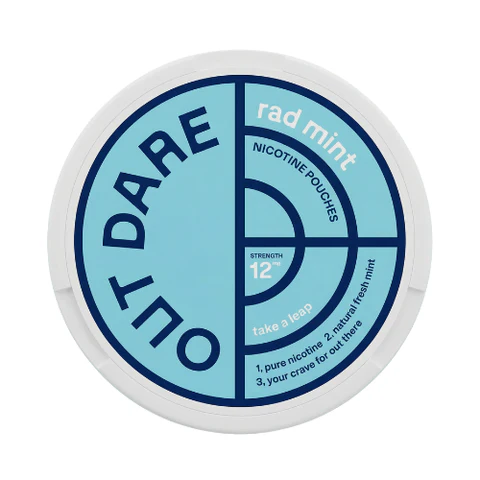
What Are Smoke-Free Nicotine Products?: smoke free nicotine products
Smoke free nicotine products are any nicotine-containing formats that don't require burning tobacco — meaning no combustion, no smoke inhalation, and no tar exposure. They range from medically approved nicotine replacement therapies to consumer-focused oral pouches and heated tobacco units.
The Core Definition
The term "smoke-free" is precise. It refers specifically to the absence of combustion. A product can still contain tobacco (like snus or heated tobacco units) and be classified as smoke-free, as long as it doesn't burn. Nicotine pouches go one step further: they're both smoke-free and tobacco-free, containing no tobacco leaf at all.
According to the CDC, nicotine pouches are marketed as smokeless products and are distinct from moist snuff and traditional snus in that they contain no tobacco [1]. This distinction matters for both health considerations and regulatory classification across European markets.
Why the Category Has Grown So Fast
Several converging forces have driven adoption:
- Stricter public smoking bans across EU member states have made combustible tobacco less practical in daily life
- Growing awareness of the harms of cigarette smoke has pushed adults to seek alternatives
- Nicotine pouches offer a genuinely discreet experience — no smell, no vapor, no visible device
- The product format is simple: place a pouch under your lip, leave it for 20–40 minutes, dispose of it
- Flavor variety and strength options have expanded dramatically, making the category accessible to a wider range of users
According to the Truth Initiative, oral nicotine pouches have become the second most popular smokeless nicotine product category in the United States, with similar growth trajectories observed across Scandinavia and Western Europe [2]. The Scandinavian market in particular — where snus culture has existed for generations — has embraced tobacco-free pouches as a natural evolution.
Pro Tip: If you're researching smoke-free options for the first time, start by identifying whether you want to maintain nicotine intake or reduce it over time. The right product category depends heavily on that goal. Pouches suit daily nicotine users; NRT suits those actively quitting.
Types of Smoke-Free Nicotine Products in 2026
There are five main categories of smoke free nicotine products available to European adults in 2026, each with distinct mechanics, risk profiles, and use cases.
Category Breakdown and Comparison
| Product Type | Contains Tobacco? | Nicotine Delivery | Typical Strength Range | Best For |
|---|---|---|---|---|
| Nicotine Pouches | No | Oral mucosa absorption | 2mg – 50mg+ | Daily users, discreet use |
| Nicotine Gum | No | Oral mucosa (chew-and-park) | 2mg – 4mg | Quitting smokers, NRT |
| Nicotine Patches | No | Transdermal (skin) | 7mg – 21mg/24hr | Steady background craving control |
| Heated Tobacco Units | Yes | Inhalation (aerosol) | Varies by product | Smokers who want the hand-to-mouth ritual |
| Snus (traditional) | Yes | Oral mucosa absorption | 4mg – 20mg+ | Scandinavian markets; experienced users |
Why Nicotine Pouches Stand Apart
Among all smoke free nicotine products, nicotine pouches occupy a unique position. They're tobacco-free (unlike snus and heated tobacco), don't require inhalation (unlike e-cigarettes), and deliver nicotine faster than patches. That combination makes them the most versatile daily-use option for adults who want nicotine without smoke, vapor, or tobacco leaf.
The strength range is also unmatched. At DarePouch, we stock products from 4mg entry-level options like ZYN and On!, all the way up to extreme-strength formats like Pablo (50mg+) and Siberia — a range that no patch or gum format comes close to matching. That breadth matters when you're trying to match a product to your actual nicotine tolerance, not a one-size-fits-all NRT dosage.
The American Cancer Society notes that nicotine replacement therapy can double your chances of quitting successfully when used correctly [3]. Nicotine pouches, while not classified as NRT, serve a similar behavioral function for many users — replacing the nicotine intake without the harmful byproducts of combustion.
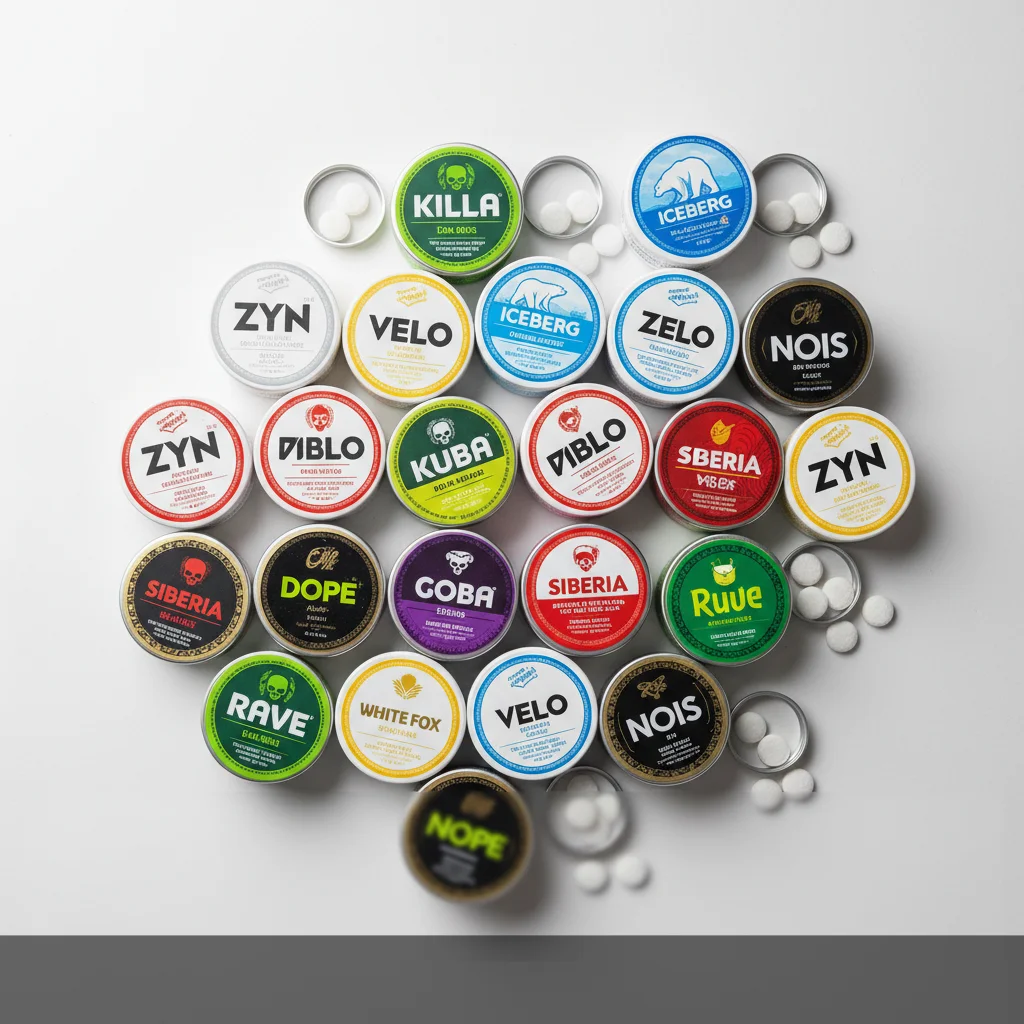
How Nicotine Pouches Work: The Mechanics
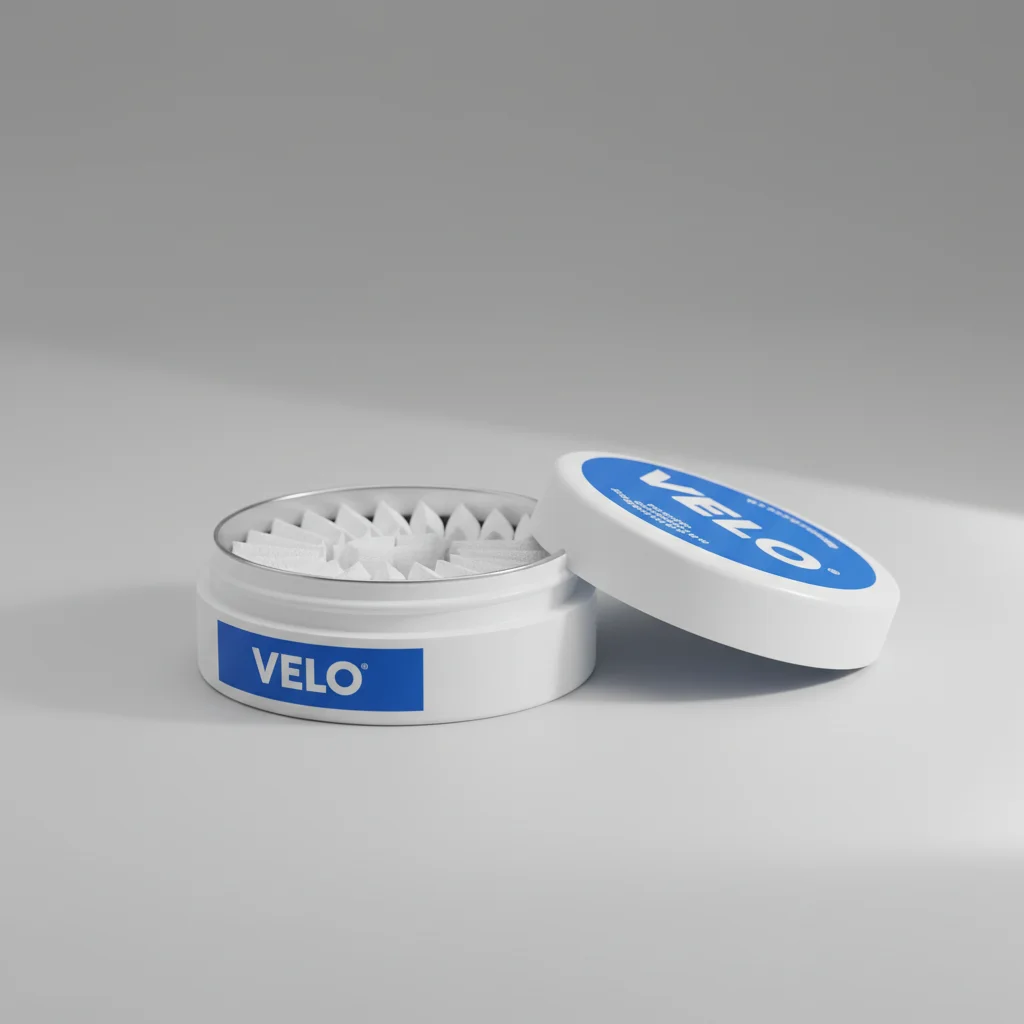
A nicotine pouch releases nicotine through the oral mucosa — the thin membrane lining the inside of your mouth — when placed between your gum and upper lip. No chewing, no spitting, no smoke required.
The Absorption Process Step by Step
- Placement: You tuck the pouch between your upper gum and lip. Most users prefer the upper lip for comfort and discretion.
- Moisture activation: Saliva moistens the pouch, activating the nicotine and flavor compounds inside.
- Absorption: Nicotine passes through the oral mucosa directly into the bloodstream. This process begins within 5–10 minutes of placement.
- Peak delivery: Most pouches reach peak nicotine delivery between 15 and 30 minutes, depending on moisture content, pouch format (slim vs. regular), and individual physiology.
- Disposal: After 20–40 minutes, the pouch is removed and disposed of. Many cans include a built-in compartment for used pouches.
What Affects How Strong a Pouch Feels
The milligram strength printed on the can is a starting point, not the whole story. Several factors influence how intense the experience actually is:
- Moisture level: Wetter pouches release nicotine faster and more intensely. A moist slim pouch at 8mg can hit harder than a dry regular-format pouch at 10mg.
- Pouch format: Slim pouches sit more comfortably and are more discreet; regular or large formats often deliver more volume and a more pronounced release.
- pH of the formula: Higher pH formulas (more alkaline) increase the rate of nicotine absorption through the mucosa. This is why some 6mg pouches feel stronger than expected.
- Duration of use: Leaving a pouch in for 40 minutes rather than 20 will result in significantly more nicotine absorbed overall.
- Individual tolerance: A daily smoker of 20 cigarettes will process nicotine very differently from someone who smokes occasionally.
Pro Tip: If a pouch feels too intense, remove it after 10–15 minutes instead of the full duration. You control the experience — the pouch doesn't control you. This is especially useful when experimenting with a new brand or strength.
Industry analysts note that the oral delivery mechanism of nicotine pouches is particularly effective at satisfying cravings quickly, which is one reason adoption rates among former smokers have been so high across Scandinavian and Western European markets [4]. The Smokefree.gov resource confirms that managing cravings quickly is one of the most important factors in reducing relapse among adults trying to quit combustible tobacco [4].
Choosing the Right Smoke-Free Nicotine Product for 2026
Choosing the right smoke free nicotine product depends on three variables: your current nicotine intake, your primary reason for switching, and your daily routine. Get those three right, and the product almost selects itself.
Matching Strength to Your Current Habit
This is where most people go wrong. Choosing the wrong strength is the single most common mistake new nicotine pouch users make — and it can turn a genuinely useful product into an unpleasant experience.
- Light smokers (under 10 cigarettes/day): Start at 3–4mg. ZYN Mini Dry in 3mg or On! 4mg are good entry points.
- Average smokers (10–20 cigarettes/day): Start at 6–8mg. VELO 7mg or Nordic Spirit 6mg are well-calibrated for this group.
- Heavy smokers (20+ cigarettes/day): Consider 10–14mg to begin. Killa 14mg or White Fox 12mg offer a meaningful nicotine hit without crossing into extreme territory.
- Experienced pouch users with high tolerance: Strengths above 20mg — including Pablo, Iceberg, and Siberia — are designed for this segment. These are not beginner-friendly products.
Start lower than you think you need. Your body adapts quickly, and it's far easier to step up than to recover from a nicotine buzz that's too intense.
Matching Format to Your Lifestyle
Beyond strength, format matters. Slim pouches are the most discreet — they're barely visible under the lip and comfortable for extended use in office or social settings. Regular and large formats deliver more volume and are preferred by users who want a more pronounced sensation.
- Office or public use: Slim mini format (ZYN Mini Dry, VELO Slim) — virtually invisible
- At home or outdoors: Regular or large format — more comfortable for extended sessions
- New users: Slim format, lower moisture — gentler introduction to the sensation
- High-tolerance users: Large format, high moisture — maximum delivery per session
At DarePouch, we've found that customers who match format to lifestyle context — not just strength to tolerance — report significantly higher satisfaction with their first order. Freshness also plays a role: products stored in climate-controlled conditions retain their moisture profile and deliver the experience the manufacturer intended, which is why our fridge-storage model matters in practice.
Common Mistakes and How to Avoid Them
Most problems with smoke free nicotine products trace back to a handful of predictable errors. Knowing them in advance saves you money, discomfort, and frustration.
The Three Most Common Mistakes
1. Starting too high on strength. This is the most common mistake, full stop. A 20mg or 50mg pouch might look appealing if you're a heavy smoker, but the nicotine delivery from a pouch is different from a cigarette — more concentrated and more direct. Starting at Pablo or Siberia without prior pouch experience almost always ends badly: nausea, dizziness, and a strong disinclination to try again. Start at 6–8mg and work up.
2. Swallowing saliva excessively. During the first few minutes of use, some users swallow more saliva than usual, which can cause stomach discomfort. The fix is simple: let the pouch sit without actively chewing or sucking on it. The nicotine absorbs through the gum tissue, not the stomach.
3. Choosing flavor before format. A lot of new users pick a product based on flavor alone — "I like mint, so I'll get the strongest mint pouch available." Flavor is secondary to format and strength. A well-chosen 6mg slim pouch in a flavor you enjoy will outperform a poorly-matched 16mg regular pouch every time.
Misconceptions Worth Addressing
- "All nicotine pouches are the same." They're not. Moisture level, pH, filler composition, and flavor intensity vary significantly between brands and even between products within the same brand's lineup.
- "Higher mg always means stronger." Not necessarily. A 10mg pouch with high moisture and alkaline pH can absorb faster than a 14mg dry-format pouch. The number is a guide, not an absolute.
- "Smoke-free means risk-free." Nicotine is an addictive substance regardless of delivery method. The CDC notes that nicotine pouches carry their own health considerations, and anyone with cardiovascular conditions or who is pregnant should consult a healthcare provider before use [5].
- "Nicotine pouches are just for quitting smoking." Many users aren't quitting — they're switching. Pouches are a long-term lifestyle product for millions of adults in Scandinavia and increasingly across the rest of Europe.
Pro Tip: If you're using nicotine pouches as part of a structured quit plan, combine them with behavioral support. Research from Smokefree.gov consistently shows that nicotine products work best alongside a quit plan, not as a standalone solution [6].
One pitfall to watch for when buying online: stale pouches. Products that haven't been stored properly lose moisture, flavor intensity, and effective nicotine delivery. This is a real-world problem with some online retailers who warehouse products at room temperature for extended periods. Freshness isn't just a marketing claim — it directly affects what you experience.

Best Practices for Smoke-Free Nicotine Products in 2026
Getting the most from smoke free nicotine products is straightforward once you understand a few core principles. These apply whether you're switching from cigarettes, reducing your intake, or simply looking for a cleaner daily nicotine routine.
Building a Sustainable Routine
- Use consistently, not reactively. Reactive use — reaching for a pouch only when a craving hits hard — tends to lead to overuse and higher-strength escalation. A planned routine (e.g., one pouch after meals, one in the afternoon) is easier to manage and reduces total daily nicotine intake over time.
- Track your daily pouch count. Most cans contain 20 pouches. If you're going through more than one can per day, that's 20+ pouches — worth evaluating whether the strength is too low for your tolerance or whether habitual use is driving frequency.
- Rotate flavors to prevent palate fatigue. Using the same flavor every day can dull your sensitivity to it. Rotating between mint, fruit, and coffee variants keeps the experience fresh and reduces the risk of over-relying on a single product.
- Store your pouches correctly. Keep cans away from heat and direct sunlight. Refrigerator storage is ideal for preserving moisture content — which directly affects nicotine delivery and flavor quality.
How to Step Down in Strength Over Time
If your goal is to reduce nicotine dependency, a structured step-down approach works better than abrupt cessation. The 802Quits program recommends gradual reduction as a more sustainable quit strategy than going cold turkey [7].
- Identify your current daily average (pouches per day × mg per pouch)
- Reduce by one strength tier (e.g., from 8mg to 6mg) and hold for 2–3 weeks
- Once comfortable, reduce again (6mg to 4mg)
- At 2–3mg, many users find it straightforward to eliminate pouches entirely
- Use behavioral substitutes (water, gum, short walks) during the final reduction phase
This approach mirrors the step-down methodology used in pharmaceutical NRT programs, as described by the American Cancer Society [8]. Results vary depending on individual dependency levels, stress factors, and social environment — but the structured approach consistently outperforms unplanned attempts.
Sources & References
- CDC, "Nicotine Pouches | Smoking and Tobacco Use," 2026
- Truth Initiative, "What is Zyn and what are oral nicotine pouches?," 2026
- American Cancer Society, "Nicotine Replacement Therapy to Help You Quit Tobacco," 2026
- Smokefree.gov, "Quit Smoking or Vaping Today — We Can Help," 2026
- CDC, "Nicotine Pouches — Health Effects," 2026
- Smokefree.gov, "Managing Cravings," 2026
- 802Quits, "Free Help to Quit Smoking, Vaping, or Tobacco," 2026
- American Cancer Society, "NRT Step-Down Methodology," 2026
Frequently Asked Questions
1. What are smoke-free nicotine products exactly?
Smoke free nicotine products are any nicotine-containing formats that don't involve burning tobacco. This includes nicotine pouches, nicotine gum, patches, lozenges, and heated tobacco units. Nicotine pouches are the most popular category in Europe as of 2026 — they're tobacco-free, spit-free, and discreet enough to use anywhere.
2. Are nicotine pouches safer than cigarettes?
Nicotine pouches eliminate combustion, which removes tar, carbon monoxide, and most of the harmful byproducts of smoking. However, they still contain nicotine, which is an addictive substance with cardiovascular effects. The CDC acknowledges they're distinct from combustible tobacco, but doesn't classify them as safe. Anyone with health concerns should speak to a doctor before using them.
3. How do I choose the right nicotine pouch strength?
Start with your current cigarette consumption as a guide. Light smokers (under 10/day) should begin at 3–4mg. Average smokers (10–20/day) do well at 6–8mg. Heavy smokers can try 10–14mg. Anything above 20mg — like Pablo or Siberia — is strictly for users with high established tolerance. Always start lower than you think you need.
4. Are nicotine pouches legal across Europe?
Legality varies by country. Nicotine pouches are legal and widely available in Sweden, Norway, the UK, Germany, Poland, and most of Western Europe. Some countries have specific restrictions on maximum nicotine content or sales channels. Always check the current regulations in your country before ordering, especially for cross-border purchases.
5. How long should I keep a nicotine pouch in?
Most pouches are designed for 20–40 minutes of use. New users should start with 15–20 minutes to gauge the intensity. Experienced users often leave them in for the full duration. Leaving a pouch in longer than 60 minutes doesn't meaningfully increase nicotine absorption and may cause gum irritation.
6. Can I use nicotine pouches to quit smoking?
Many adults use nicotine pouches as part of a transition away from cigarettes, either as a direct substitute or alongside a structured quit plan. While they're not classified as NRT (nicotine replacement therapy), they function similarly for behavioral substitution. For best results, combine them with a quit plan — resources like Smokefree.gov offer free structured support.
7. What's the difference between nicotine pouches and snus?
Snus contains actual tobacco leaf, while nicotine pouches contain no tobacco at all. Both are placed under the lip and deliver nicotine through the oral mucosa. Nicotine pouches are tobacco-free, which makes them legal in more European countries (snus is banned for sale in most EU member states outside Sweden) and generally preferred by users who want to avoid tobacco entirely.
8. Do nicotine pouches expire?
Yes. Nicotine pouches have a shelf life, and their quality degrades over time — particularly moisture content and flavor intensity. Pouches stored at room temperature in a warehouse for months will feel noticeably drier and less flavorful than freshly stored ones. This is why climate-controlled storage matters: it preserves the moisture profile and potency the manufacturer intended.
Conclusion
Smoke free nicotine products have moved well beyond niche status. In 2026, they represent a genuine, practical alternative for millions of adults across Europe who want nicotine without combustion, tobacco, or the social friction that comes with smoking. The category is broad — from pharmaceutical NRT to high-strength nicotine pouches — and the right choice depends on your tolerance, your goals, and your daily routine.
The fundamentals are straightforward. Match your strength to your current habit. Choose your format based on how and where you use it. Start lower than you think you need, and adjust from there. Don't let flavor drive the decision before format and strength are settled.
If you're ready to explore what's available, DarePouch stocks 500+ tobacco-free pouches from over 100 brands — including ZYN, VELO, Killa, Pablo, Nordic Spirit, White Fox, and Iceberg — with strengths from 4mg to 50mg+, all stored in climate-controlled conditions to guarantee freshness. Same-day dispatch, tracked delivery across Europe, and a catalog broad enough to find exactly what you're looking for.
Recommended Articles
Explore more from our content library:


