

| Key Insight | Explanation |
|---|---|
| Nicotine cravings peak and pass quickly | Most cravings last 3–5 minutes. Riding them out with a distraction technique is often enough to break the cycle. |
| Diet directly affects cravings | Certain foods — dairy, fruits, vegetables — can blunt the appeal of cigarettes, while alcohol and coffee can intensify urges. |
| Behavioural triggers are as powerful as physical ones | Lighting up after meals, with coffee, or during stress is habit, not just chemistry. Replacing the ritual matters as much as managing the nicotine. |
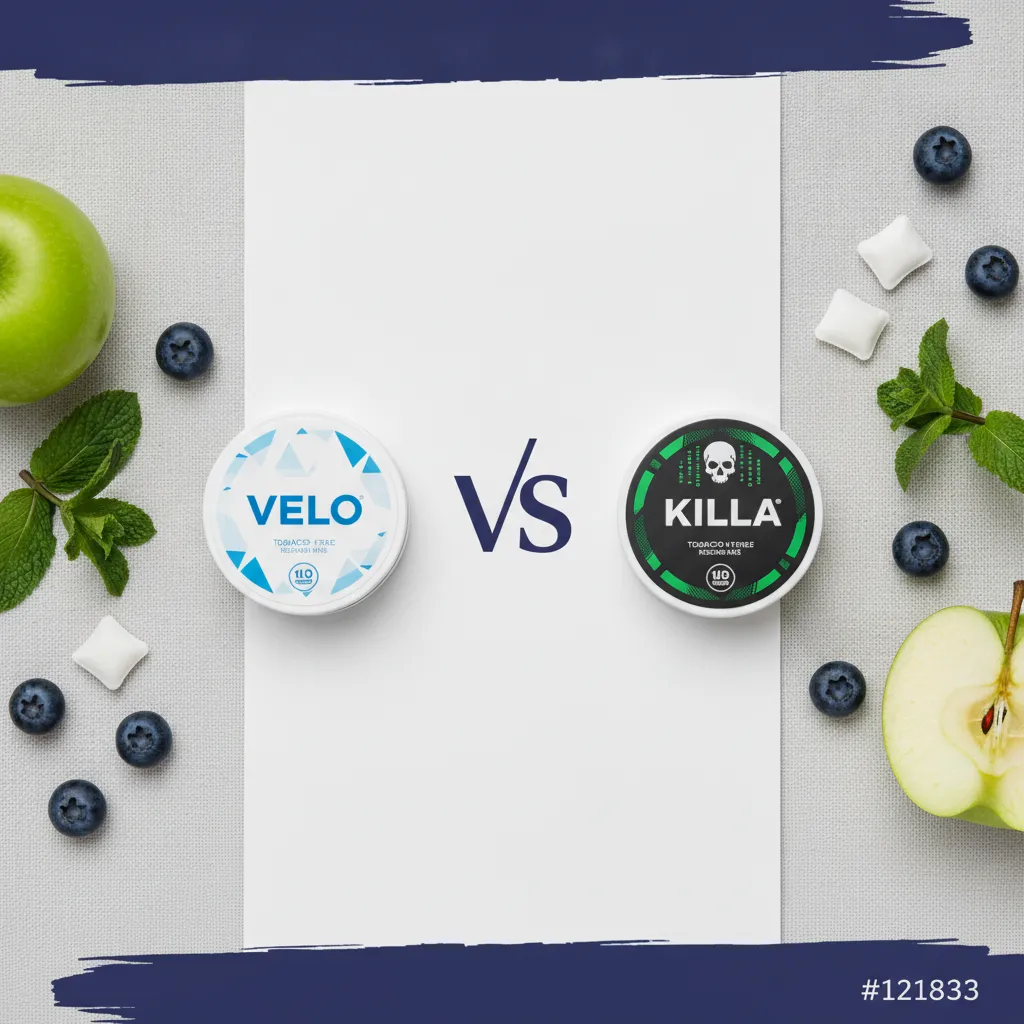
| Tobacco-free nicotine pouches are a smoke-free alternative | For adults who want to manage nicotine without smoke or vapour, tobacco-free pouches (e.g., VELO, KILLA) are a discreet, odourless format. This is not a medical cessation claim. |
| A quit plan can be a useful part of your approach | According to the CDC, setting a quit date and preparing coping strategies significantly improves outcomes compared to quitting impulsively. |
| Exercise is one of the most effective craving-busters | Even a brisk 5-minute walk can reduce the intensity of a nicotine craving, per research cited by the American Heart Association. |
Introduction: What Actually Works: how to quit smoking naturally
If you want to know how to quit smoking naturally, the short answer is this: combine trigger management, behavioural replacement, and dietary changes — and you'll have a far stronger foundation than willpower alone can provide. Nicotine dependence (the physical and psychological reliance on nicotine as a stimulant and habit reinforcer) is real, but it's not unbeatable. Most cravings peak within 3–5 minutes and then fade [1]. That's a short window to manage.
This guide covers 10 practical, evidence-informed methods — from dietary changes to breathwork to smoke-free nicotine alternatives — ranked by how actionable they are. No miracle cures. No vague advice. Just specific strategies that real adults can actually use. This is particularly relevant for how to quit smoking naturally.
Note: This article is for adults (18+) exploring smoke-free options. Nothing here constitutes medical advice. If you're looking for clinical cessation support, speak to a healthcare professional.
1. Understand Your Triggers First
Before you can quit smoking naturally, you need to know exactly when and why you light up — because the urge is rarely random.
What a Trigger Actually Is
A trigger is any cue — physical, emotional, or situational — that prompts the urge to smoke. Triggers fall into two broad categories:
- Physical triggers: Waking up, finishing a meal, drinking coffee, feeling tired
- Emotional/situational triggers: Stress, boredom, social situations, alcohol, arguments
The American Heart Association recommends identifying your personal triggers before your quit date, so you can prepare specific responses [2]. This isn't just good advice — it's the difference between reacting to a craving and being ready for it.
How to Map Your Smoking Patterns
Spend three days tracking every cigarette. For each one, note:
- The time of day
- What you were doing immediately before
- Your emotional state (stressed, bored, relaxed)
- Who you were with
- How strong the urge felt, rated 1–10
After three days, patterns become obvious. Most smokers find they have 4–6 core trigger situations that account for 80% of their cigarettes. Target those first. When considering how to quit smoking naturally, this point stands out.
A common mistake here is trying to address every cigarette at once. Start with your weakest triggers — the low-urgency, habitual smokes — and build momentum before tackling the high-stress ones.
Pro Tip: Keep a small notebook or use your phone's notes app to log triggers in real time. Retrospective logging is unreliable — you'll forget the context within an hour.
2. Set a Quit Plan and a Quit Date
Picking a specific quit date and writing down your plan significantly improves outcomes compared to quitting on impulse — the CDC recommends this as a foundational first step [3].
What Your Quit Plan Should Include
A solid quit plan doesn't need to be complicated. It needs to be specific. Include:
- Your quit date (within the next 2 weeks — far enough to prepare, close enough to stay motivated)
- Your top 3–5 triggers and a pre-planned response for each
- Who you'll tell (accountability matters)
- What you'll do in the first 24 hours when cravings hit
- How you'll handle high-risk situations (social smoking, stress at work)
The Gradual vs. Cold Turkey Debate
Both approaches work. Cold turkey — stopping all at once — is actually effective for many people, particularly those with strong motivation and good support. Gradual reduction (cutting down daily cigarettes over 2 weeks) suits people who find abrupt change destabilising [4].
| Approach | Best For | Main Challenge |
|---|---|---|
| Cold Turkey | High-motivation quitters with a clear quit date | Intense first 72 hours of withdrawal |
| Gradual Reduction | Those who need a structured wind-down period | Risk of never fully committing to a final quit |
| Ritual Replacement | Habit-driven smokers (after meals, with coffee) | Requires consistent discipline over 3–4 weeks |
Bottom line: pick one approach and commit to it. Switching strategies mid-attempt is one of the most common reasons people end up back at square one.
3. Use Diet to Fight Cravings Naturally
Certain foods and drinks actively reduce the appeal of cigarettes — and others make the urge significantly worse. Adjusting your diet is one of the most underused tools for quitting naturally. For those exploring how to quit smoking naturally, this matters.
Foods That Blunt Nicotine Cravings
Research from the Truth Initiative highlights that several foods can make cigarettes taste worse or reduce craving intensity [5]:
- Dairy products: Milk, yoghurt, and cheese can make cigarettes taste unpleasant — many smokers report that a glass of milk ruins the taste of a cigarette entirely
- Fruits and vegetables: High water content and fibre help manage oral fixation and keep blood sugar stable
- Ginseng tea: Some evidence suggests ginseng may reduce the dopamine response associated with nicotine
- Sugar-free gum and mints: Mayo Clinic recommends these specifically for oral craving management [6]
Foods and Drinks to Avoid
- Alcohol: Strongly associated with relapse — it lowers inhibition and is a powerful trigger for most smokers
- Coffee: Caffeine intensifies nicotine cravings for many people; consider switching to green tea temporarily
- Sugary snacks: Blood sugar spikes and crashes can mimic the irritability of withdrawal, making cravings feel more intense
Pro Tip: Keep raw carrots, celery sticks, or sunflower seeds on hand for the first two weeks. They satisfy the oral fixation that's part of the smoking habit — the need to have something in your mouth and hands — without any nicotine involved.
4. Move Your Body to Break the Urge
Physical exercise is one of the most effective natural craving-busters available — even a 5-minute brisk walk can reduce craving intensity significantly, according to research referenced by the American Heart Association [2].
Why Exercise Works Against Cravings
Exercise triggers a release of dopamine and endorphins — the same neurochemical reward pathway that nicotine activates. You're not just distracting yourself; you're giving your brain a genuine chemical substitute for the hit it's looking for.
The NCI's withdrawal guidance specifically recommends physical activity as a first-line response to cravings [1]. It doesn't need to be intense. Options that work:
- A 5–10 minute walk outside (the change of environment helps too)
- 10 press-ups or squats — enough to shift your focus and elevate your heart rate
- Stretching or yoga, particularly useful for stress-triggered cravings
- Cycling, swimming, or gym sessions for longer-term habit building
Building a Consistent Exercise Habit
The goal isn't to become an athlete. The goal is to have a reliable physical response ready for the first 3–5 minutes of a craving. Once the craving passes, the urge usually dissolves.
From experience, the smokers who struggle most with exercise as a tool are those who set the bar too high. "I'll go for a run" sounds good until you're at your desk at 3pm craving a cigarette. "I'll do 10 press-ups right now" is achievable every time. This directly impacts how to quit smoking naturally outcomes.
Industry analysts studying behavioural change consistently note that small, immediately accessible actions outperform ambitious plans that require preparation or travel. Keep the bar low. Keep the action ready.
5. Use Breathwork and Mindfulness
Controlled breathing directly mimics the physical act of smoking — the deep inhale and slow exhale — and activates the parasympathetic nervous system, reducing stress and craving intensity.
The Basic Breathing Technique
The American Cancer Society recommends a simple breathing exercise as a first-response craving tool [7]:
- Take a slow, deep breath in through your nose for 4 counts
- Hold for 2 counts
- Exhale slowly through your mouth for 6 counts
- Repeat 5–6 times
This works partly because it replicates the physical ritual of smoking — the deliberate pause, the deep breath — without the cigarette. You're satisfying the behavioural habit while simultaneously calming your nervous system.
Mindfulness and Urge Surfing
Urge surfing is a mindfulness-based technique (rooted in Acceptance and Commitment Therapy, or ACT) where you observe the craving without acting on it. Instead of fighting the urge, you watch it rise, peak, and fade — like a wave. Research shows this approach can reduce the frequency and intensity of cravings over time.
In practice, it looks like this: when a craving hits, sit still for 5 minutes, notice the physical sensation without judgment, and remind yourself it will pass. It feels uncomfortable at first. After a few repetitions, it gets easier. This is particularly relevant for how to quit smoking naturally.
For those wanting to explore the evidence base on behavioural approaches to quitting, resources like the Blog at TestDevLab offer useful perspectives on how structured habit-change frameworks apply across different behavioural challenges.
6. Replace the Ritual, Not Just the Nicotine
One of the most overlooked aspects of quitting is that smoking is a ritual — a specific sequence of actions tied to specific moments — and breaking that ritual requires a deliberate replacement, not just willpower.
Why the Ritual Matters
Think about what smoking actually involves: stepping outside, a brief pause in your day, something in your hands, a moment of sensory focus. That's not just nicotine delivery — that's a structured break with a clear start and end. Your brain is addicted to both the chemical and the routine.
MD Anderson Cancer Center notes that keeping your mouth busy is one of the most practical craving-management strategies available [8]. Effective ritual replacements include:
- Chewing sugar-free gum or eating a mint at your usual smoking times
- Drinking a glass of cold water slowly — the deliberate pause replaces the cigarette break
- A short walk outside at your usual smoking times, without the cigarette
- Keeping a pen or small object in your hand to address the tactile habit
- Herbal tea or warm drinks to replace the after-meal cigarette ritual
Smoke-Free Nicotine Formats as Ritual Replacements
For adults who want to manage nicotine without smoke, tobacco-free nicotine pouches offer a discreet, odourless alternative. A slim pouch placed under the lip takes 30–60 seconds to set up — roughly the same time as lighting a cigarette — and satisfies the oral fixation without combustion, smoke, or tobacco. This isn't a medical claim; it's a practical observation about format. Brands like VELO (available in strengths from 4mg upwards) and KILLA are specifically designed for this kind of discreet, on-demand use.
7. Cut Alcohol and Coffee Strategically
Alcohol is the single biggest relapse trigger for most smokers — it lowers inhibition and is deeply associated with social smoking. Managing your alcohol intake during the first 4–6 weeks of quitting is not optional; it's essential. When considering how to quit smoking naturally, this point stands out.
The Alcohol-Nicotine Link
Smokefree.gov identifies alcohol as one of the highest-risk situations for relapse [9]. In practice, this means:
- Avoid heavy drinking situations entirely for the first 2–4 weeks if possible
- If you do drink socially, have a plan: keep sugar-free gum or a nicotine pouch on hand, stay near non-smokers, and set a mental limit before you go out
- Switch from beer or wine to sparkling water for the first few weeks — the fizz and ritual of drinking something cold can partially substitute for the smoking ritual
Coffee and Caffeine
Coffee is a strong trigger for many smokers, not because of caffeine itself, but because of the conditioned association: coffee and a cigarette go together. Breaking that pairing is important.
Options that work:
- Switch to green tea temporarily — it contains L-theanine, which promotes calm focus without the same craving spike
- Change where you drink your coffee (inside instead of outside, at your desk instead of a balcony)
- Add something to the routine that's incompatible with smoking — eat a piece of fruit while you drink your morning coffee
8. Natural Supplements Worth Considering
Several natural supplements have some evidence behind them for craving management — though none should be treated as a guaranteed fix, and results vary significantly between individuals.
Supplements With Some Evidence
- St. John's Wort: Used historically for mood support during withdrawal; some small studies suggest it may ease irritability. Note: it interacts with several medications — check with a doctor first
- Valerian root: A mild natural sedative that can help with sleep disruption, which is common during the first week of quitting
- Ginseng: As noted by the Truth Initiative, some evidence suggests ginseng may reduce the dopamine response to nicotine [5]
- Lobelia (Indian tobacco): Sometimes cited in natural cessation contexts; the evidence is weak and it can cause side effects at high doses — approach with caution
What the Evidence Actually Says
Honest assessment: no natural supplement reliably replaces the effectiveness of a structured behavioural plan. Supplements are best used as supporting tools alongside the strategies in this guide — not as standalone solutions. One limitation of the evidence base is that most supplement studies are small-scale and not replicated at clinical trial level.
Pro Tip:If you're exploring natural supplements, start with dietary changes first (dairy, fruits, ginseng tea) before reaching for capsules. The food-based versions are lower cost, widely available, and a common starting point for mild supplement use.
9. Build a Support System
Social support is one of the most consistent predictors of quit success — telling people you're quitting, and having them hold you accountable, meaningfully improves outcomes. For those exploring how to quit smoking naturally, this matters.
Who to Tell and How
The CDC recommends building a support network as part of any quit plan [3]. In practice:
- Tell at least 2–3 people you trust — a partner, close friend, or colleague
- Be specific: "I'm quitting on Monday. If I ask you for a cigarette, say no."
- Join an online community (Reddit's r/stopsmoking has over 300,000 members as of 2026) for peer accountability
- Consider a free counselling service — Smokefree.gov offers a quitline and text support programme [9]
Professional Support Options
Behavioural counselling — even a single session — can meaningfully improve quit rates. The CDC notes that counselling helps you build a plan, cope with stress, and manage urges [3]. This doesn't have to mean expensive private therapy. Many European countries offer free telephone or online cessation counselling through national health services.
Research from the NCI indicates that combining behavioural support with any craving-management strategy (dietary, physical, or otherwise) produces better outcomes than either approach alone [1].
10. Consider Tobacco-Free Pouches as a Smoke-Free Switch
For adults who want to move away from cigarettes while still managing nicotine, tobacco-free nicotine pouches offer a completely smoke-free, vapour-free, and tobacco-free format — discreet enough to use anywhere.
What Nicotine Pouches Are
A nicotine pouch (also called an oral nicotine pouch or white snus) is a small, soft sachet placed between the upper lip and gum. It contains nicotine but no tobacco leaf. There's no smoke, no vapour, no smell, and no combustion. The nicotine is absorbed through the oral mucosa (the tissue lining the inside of the mouth) over 20–40 minutes.
Pouches come in a wide range of strengths — from 2mg (light) to 50mg+ (very strong). If you're switching from cigarettes, starting around 6mg to 8mg is a reasonable entry point for most regular smokers. Lighter smokers should start lower, around 3mg to 4mg. This is not a one-size-fits-all — format, moisture level, and flavour all affect how the nicotine is perceived, so starting lower than you think you need is always the tobacco-free approach. This directly impacts how to quit smoking naturally outcomes.
Brands Worth Knowing
At DarePouch, we've found that adults switching from cigarettes tend to gravitate toward a few key brands based on their nicotine tolerance and flavour preference:
- VELO: Clean, approachable, widely available in 4mg–14mg — a solid starting point for new pouch users
- White Fox: Slim format, strong mint flavours, popular with switchers who miss the throat sensation of smoking
- KILLA: Higher strengths (up to 16mg+), bold flavours, well-suited to heavier smokers
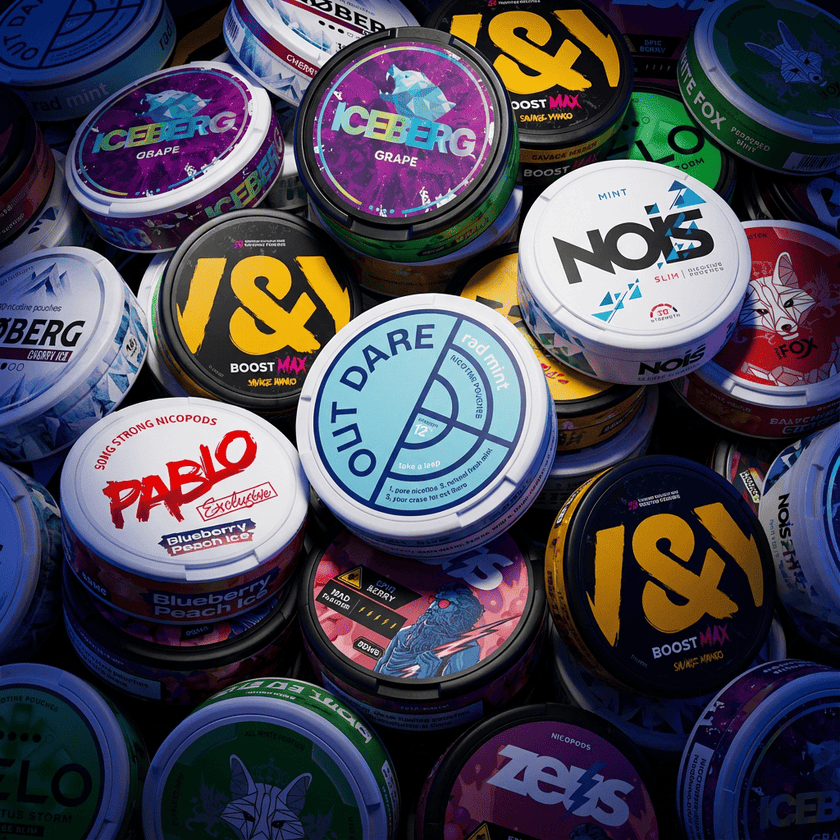
- ICEBERG: Wide flavour range, available in multiple strengths — good for exploring before committing to a regular brand
- OutDare: DarePouch's own house brand, available in nicotine, energy, and CBD formats, founder-tested across 500+ products
DarePouch stocks 60+ brands and 600+ products, stored in climate-controlled fridges and dispatched same-day from Denmark. Every product is VAT-included, with a bulk discount of 10% on a roll of 10 cans. Rated 4.7/5 on Trustpilot.

How to Choose Your Approach
The right strategy for quitting smoking naturally depends on your smoking pattern, your primary triggers, and how much structure you need. There's no single method that works for everyone.
A Simple Decision Framework
Ask yourself these questions before committing to a strategy:
- Are you primarily a habit smoker or a stress smoker? Habit smokers (after meals, with coffee) respond well to ritual replacement. Stress smokers need breathwork, exercise, and support systems prioritised.
- How heavy is your current use? Under 10 cigarettes a day: gradual reduction or cold turkey both work well. Over 20 a day: consider a structured plan with professional support alongside natural methods.
- Do you want to manage nicotine or eliminate it entirely? If you want to stay nicotine-free, focus on behavioural and dietary methods. If you want a smoke-free nicotine option, tobacco-free pouches are worth exploring.
- What's your social environment like? If you're surrounded by smokers, your support system and alcohol management strategy matter more than almost anything else.
Combining Methods for Better Results
The most effective approach to quitting naturally combines at least three of the methods in this guide. Research consistently shows that multi-modal strategies — combining behavioural, dietary, and physical approaches — outperform any single technique [7].
A reasonable starting stack for most adults:
- Set a quit date and map your triggers (methods 1 and 2)
- Adjust your diet to reduce craving intensity (method 3)
- Have a physical craving-buster ready — a walk, press-ups, or breathing (methods 4 and 5)
- Replace your top 2–3 rituals with a specific substitute (method 6)
- Tell someone and hold yourself accountable (method 9)
Sources & References
- National Cancer Institute, "Tips for Coping with Nicotine Withdrawal and Triggers", 2024
- American Heart Association, "Five Steps to Quit Smoking and Vaping", 2024
- Centers for Disease Control and Prevention, "How to Quit Smoking", 2025
- Corona Regional Medical Center, "How to Quit Smoking Gradually", 2023
- Truth Initiative, "8 Foods and Drinks That Could Help People Quit Nicotine", 2023
- Mayo Clinic, "Quitting Smoking: 10 Ways to Resist Tobacco Cravings", 2024
- American Cancer Society, "Help for Cravings and Tough Situations While You're Quitting Tobacco", 2024
- MD Anderson Cancer Center, "Quit Smoking: 6 Products to Strike Out Nicotine Cravings", 2023
- Smokefree.gov, "Quit Smoking or Vaping Today", U.S. Department of Health and Human Services, 2025
Frequently Asked Questions
1. Can you really quit smoking naturally without medication?
Yes — many adults successfully quit smoking naturally using behavioural strategies, dietary changes, exercise, and support systems without any pharmaceutical intervention. Results vary depending on how heavily you smoke and how structured your approach is. The CDC recommends building a quit plan regardless of whether you use medication [3]. Natural methods work best when combined rather than used in isolation.
2. How long do nicotine cravings last when quitting naturally?
Individual cravings typically peak and pass within 3–5 minutes. The overall withdrawal period — including irritability, difficulty concentrating, and increased appetite — usually lasts 2–4 weeks, with the first 72 hours being the most intense. After 3 weeks, most physical withdrawal symptoms have significantly reduced. Psychological triggers (stress, social situations) can persist longer and require ongoing management.
3. What foods help with nicotine cravings?
Dairy products (milk, yoghurt, cheese) are particularly effective at making cigarettes taste unpleasant. Fruits, vegetables, and high-fibre foods help manage blood sugar and oral fixation. Ginseng tea has some evidence for reducing the dopamine response to nicotine. Sugar-free gum and mints are recommended by the Mayo Clinic specifically for managing oral cravings [6]. Avoid alcohol and coffee during the first few weeks.
4. What are tobacco-free nicotine pouches, and how do they differ from cigarettes?
Tobacco-free nicotine pouches are small soft sachets placed under the upper lip. They contain nicotine but no tobacco leaf — no combustion, no smoke, no vapour, no smell. Nicotine is absorbed through the oral mucosa over 20–40 minutes. They're available in a wide range of strengths (2mg to 50mg+) and flavours. They're not described as a cessation product, but as a smoke-free, tobacco-free format for adult nicotine users. Brands like VELO, KILLA, and White Fox are widely available across Europe.
5. Is cold turkey or gradual reduction better for quitting naturally?
Both approaches have evidence behind them. Cold turkey works well for highly motivated quitters who can tolerate an intense first 72 hours. Gradual reduction suits people who need a structured wind-down and find abrupt change destabilising. The key variable isn't the method — it's having a specific plan and a committed quit date. Switching methods mid-attempt is one of the most common reasons people fail.
6. Does exercise affect your nicotine pouch routine?
Yes. Even brief exercise — a 5-minute walk or 10 press-ups — triggers dopamine and endorphin release, directly addressing the neurochemical craving that nicotine satisfies. The NCI and American Heart Association both cite physical activity as a first-line craving management tool [1]. The key is having a low-barrier exercise option immediately available — not a gym session, but something you can do in 60 seconds wherever you are. This is particularly relevant for how to quit smoking naturally.
7. What is urge surfing and does it work for smoking cravings?
Urge surfing is a mindfulness-based technique from Acceptance and Commitment Therapy (ACT) where you observe a craving without acting on it, watching it rise and fall like a wave. Rather than fighting the urge, you simply notice it. Research suggests this reduces both the frequency and intensity of cravings over time. In practice, it takes 5–10 minutes of sitting with the discomfort — it feels difficult at first but becomes easier with repetition.
8. How do I handle social situations where others are smoking?
Social smoking situations, especially combined with alcohol, are the highest-risk scenario for relapse. Smokefree.gov recommends having a specific plan before entering these situations [9]. Practical steps: tell people you've quit before you arrive, keep a substitute (gum, mints, or a nicotine pouch) on hand, stay near non-smokers, and limit alcohol intake during the first 4–6 weeks. Having a pre-committed response — "I've quit, I'm good thanks" — removes the decision-making in the moment.


Conclusion
Knowing how to quit smoking naturally comes down to one core principle: replace, don't just remove. Remove the cigarette, yes — but replace the ritual, the chemical hit, the behavioural cue, and the social habit with something deliberate. Willpower alone rarely holds up against all four of those simultaneously.
The 10 methods in this guide aren't meant to be used in isolation. Stack them. Map your triggers first, set a quit date, adjust your diet, build a physical craving response, and tell someone who'll hold you accountable. That combination is more effective than any single technique.
For adults who want to manage nicotine without smoke, tobacco-free pouches are a practical, discreet option worth knowing about. DarePouch stocks 60+ brands and 600+ products — from beginner-friendly VELO at 4mg to stronger options like KILLA and ICEBERG — all stored fresh in climate-controlled conditions and dispatched same-day from Denmark. Whether you're switching formats or simply curious, the range is there when you're ready.
Whatever approach you take, start today. The first 72 hours are the hardest. After that, it gets measurably easier.
Recommended Articles
Explore more from our content library:


