

| Key Insight | Explanation |
|---|---|
| Quit-smoking aids work | Nicotine replacement therapies and tobacco-free alternatives can double or triple quit rates compared to willpower alone. |
| Nicotine pouches are surging in 2026 | Tobacco-free nicotine pouches have become one of the fastest-growing cessation aids, offering discreet, spit-free nicotine delivery without combustion. |
| Combination therapy boosts success | Using two or more cessation aids together (e.g., patches plus pouches) significantly improves long-term quit outcomes. |
| Strength selection matters | Matching nicotine strength to your current consumption level prevents both under-dosing (leading to relapse) and over-dosing (causing side effects). |
| Freshness affects product efficacy | Nicotine degrades in heat and light. Climate-controlled storage, like DarePouch's fridge-stored inventory, preserves potency and flavor. |
| Gradual step-down is most effective | Experts recommend reducing nicotine strength over 8-12 weeks rather than quitting abruptly, as this minimizes withdrawal symptoms. |
Every year, millions of people attempt to quit smoking. Most fail on their first try. The reason isn't a lack of willpower. It's a lack of the right tools. Smoking cessation products are specifically designed to reduce cravings, ease withdrawal symptoms, and give your body a controlled path away from combustible tobacco. As of 2026, the landscape of these tools has evolved dramatically, with tobacco-free nicotine pouches, prescription medications, and innovative oral alternatives joining traditional patches and gums on the market.
In this comprehensive guide, you'll learn exactly what smoking cessation products are, how each type works, the science-backed benefits behind them, common mistakes people make during their quit journey, and expert tips for choosing the right product. Whether you're a pack-a-day smoker or someone helping a loved one quit, this article provides the knowledge you need to make an informed decision in 2026.

What Are Smoking Cessation Products?
Smoking cessation products are therapeutic aids designed to help people stop using combustible tobacco by reducing nicotine cravings and withdrawal symptoms. They range from nicotine replacement therapies (NRTs) like patches, gums, and pouches to prescription medications such as varenicline. These products matter because tobacco use remains the leading preventable cause of death worldwide, responsible for over 8 million deaths annually according to the World Health Organization.
Categories of Cessation Products Available in 2026
The cessation product market has expanded considerably over the past few years. Understanding the different categories helps you identify which approach fits your lifestyle and nicotine dependence level.
- Nicotine Replacement Therapy (NRT): Patches, gums, lozenges, inhalers, and nasal sprays that deliver controlled doses of nicotine without tobacco combustion.
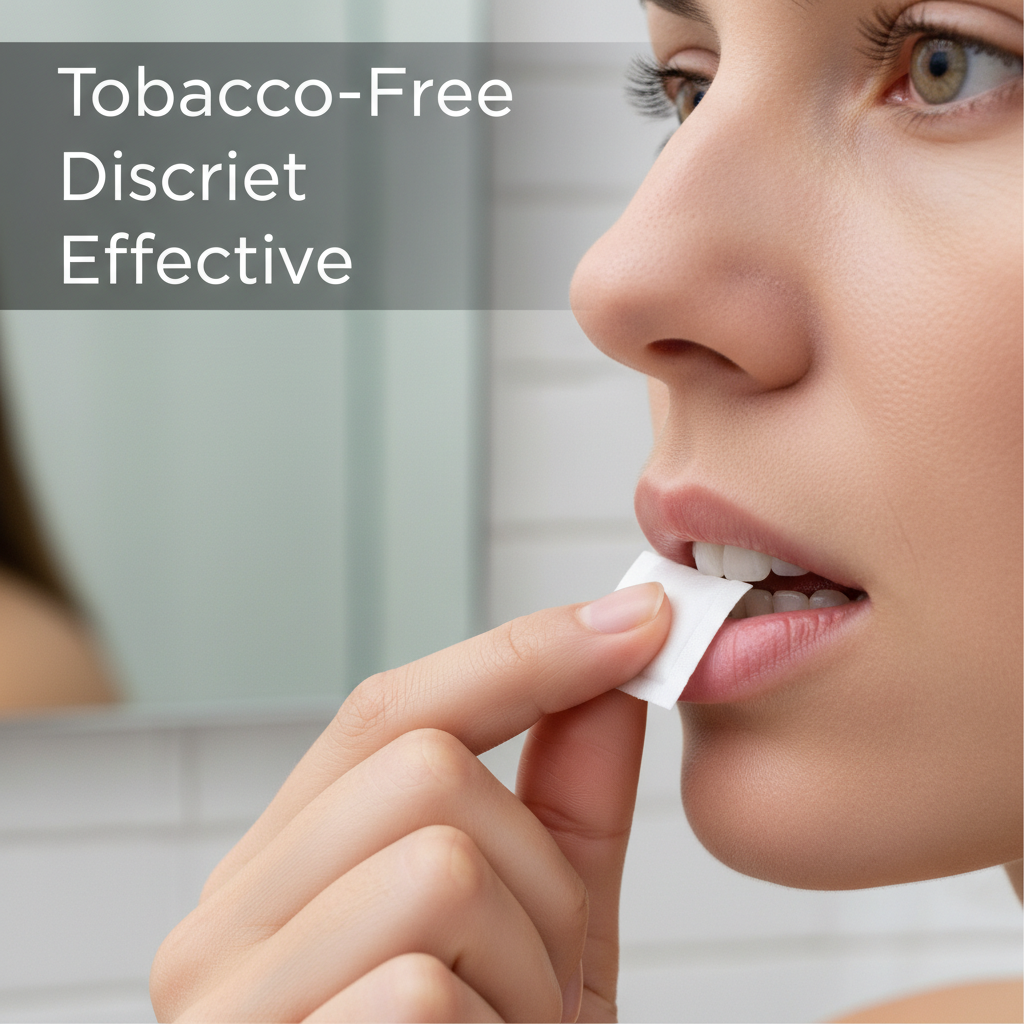
- Tobacco-Free Nicotine Pouches: Small, discreet pouches placed between the lip and gum. They contain pharmaceutical-grade nicotine without any tobacco leaf, making them a rapidly growing cessation tool in 2026.
- Prescription Medications: Varenicline (Champix/Chantix) and bupropion (Zyban) work on brain receptors to reduce cravings and the rewarding effects of smoking.
- Behavioral Support Tools: Apps, counseling services, and quit-smoking programs that complement product-based approaches.
- CBD and Wellness Pouches: Nicotine-free alternatives containing CBD or herbal ingredients, designed to address the oral fixation and habit component of smoking.
Why the Definition Matters
Not every product marketed as a "quit smoking aid" has clinical evidence behind it. True cessation aids have undergone regulatory scrutiny and are supported by research showing they improve quit rates. The distinction is crucial because choosing an unproven product can waste time and money during a critical window of motivation.
Research from Public Health England (now the Office for Health Improvement and Disparities) has consistently found that using evidence-based cessation tools can double the likelihood of a successful quit attempt. This finding has been reinforced by 2024-2026 data showing tobacco-free nicotine pouches delivering comparable quit-rate improvements to traditional NRT. The NHS Stop Smoking Services also provide free support and guidance for anyone beginning their quit journey.
How Smoking Cessation Products Work in 2026
These quit-smoking aids work by delivering nicotine (or blocking its effects) through safer mechanisms than combustible tobacco, allowing users to gradually reduce their dependence without the harmful tar, carbon monoxide, and thousands of toxic chemicals found in cigarette smoke. The CDC's quit smoking resources provide additional guidance on how these products support long-term cessation.
The Nicotine Delivery Mechanism
Cigarettes deliver nicotine to the brain in roughly 10 seconds. That speed creates a powerful reinforcement loop. Cessation products aim to break this loop by providing nicotine more slowly and steadily.
- Transdermal patches release nicotine through the skin over 16-24 hours, providing a baseline level that prevents severe withdrawal.
- Nicotine gums and lozenges deliver nicotine through the oral mucosa in 15-30 minutes, offering on-demand relief during acute cravings.
- Nicotine pouches sit between the gum and lip, releasing nicotine through the gum tissue within 5-15 minutes. They're faster than patches but without the combustion of cigarettes.
- Prescription medications like varenicline bind to nicotine receptors in the brain, partially stimulating them (reducing withdrawal) while blocking the full rewarding effect of smoking.
- CBD pouches don't deliver nicotine at all. Instead, they target the behavioral habit and may reduce anxiety associated with quitting.
| Product Type | Nicotine Onset | Duration | Requires Prescription? |
|---|---|---|---|
| Nicotine Patch | 1-2 hours | 16-24 hours | No |
| Nicotine Gum | 15-30 minutes | 1-2 hours | No |
| Nicotine Pouches | 5-15 minutes | 20-60 minutes | No |
| Nicotine Lozenge | 15-30 minutes | 1-2 hours | No |
| Varenicline | Days (builds up) | 12+ weeks course | Yes |
| CBD Pouches | 15-45 minutes | 1-3 hours | No |
Why Tobacco-Free Pouches Are Gaining Ground
Nicotine pouches have become a standout category among quit-smoking aids in 2026. Unlike traditional snus, these pouches contain zero tobacco leaf. They're spit-free, odor-free, and can be used anywhere, including offices, airplanes, and restaurants.
The appeal is practical. Smokers who struggle with patches (skin irritation) or gums (jaw fatigue) often find pouches more comfortable and satisfying. With strengths ranging from 4mg to 50mg, users can match their current nicotine intake precisely and then step down gradually over weeks.
Pro Tip: If you smoke 20+ cigarettes a day, start with a higher-strength nicotine pouch (12mg-20mg) and reduce by one strength level every 2-3 weeks. This gradual approach prevents the intense cravings that cause most relapses in the first month.
Key Benefits of Using Smoking Cessation Products
Using evidence-based smoking cessation products increases your chances of quitting successfully by 50-70% compared to attempting to quit cold turkey, according to Cochrane Review meta-analyses published through 2025. The UK Government's evidence review on nicotine products further supports the use of non-combustible alternatives as effective cessation tools.
Health Benefits That Start Immediately
The moment you switch from combustible cigarettes to a cessation aid, your body begins to recover. Within 20 minutes, your heart rate drops. Within 12 hours, carbon monoxide levels in your blood normalize. These aren't distant promises. They're measurable physiological changes.
- Reduced cancer risk: Tobacco-free nicotine products eliminate exposure to the 70+ carcinogens found in cigarette smoke.
- Improved cardiovascular health: Without carbon monoxide and particulate matter, blood oxygen levels improve within days.
- Better respiratory function: Lung capacity begins improving within 2-12 weeks of stopping smoking, even while using NRT.
- Financial savings: A pack-a-day smoker in the UK spends approximately £4,500 per year on cigarettes. Switching to nicotine pouches can cut that cost by 60-80%.
- Social benefits: No more smoke smell on clothes, no stepping outside in the rain, and no secondhand smoke exposure for family members.
Practical Advantages of Modern Cessation Products
Beyond health, today's quit-smoking tools offer lifestyle advantages that older methods couldn't match. Nicotine pouches, for instance, require no lighter, no ashtray, and no designated smoking area. They fit into a modern life where convenience matters.
From experience, the biggest predictor of quit success isn't the specific product chosen. It's whether the product fits the person's daily routine. A construction worker who can't chew gum on-site might prefer a pouch. An office worker who dislikes patches might choose lozenges. Having 500+ product options, as DarePouch offers across brands like VELO, ICEBERG, KILLA, and PABLO, means you're far more likely to find the exact match for your needs.
Pro Tip: Don't settle for the first cessation product you try. Research shows that people who experiment with 2-3 different product types within the first two weeks have higher long-term quit rates. Buy a variety pack or small quantities of different brands to find your best fit.
Common Challenges and Mistakes to Avoid
The most common reason cessation aids fail isn't the product itself. It's incorrect usage, wrong dosage selection, or giving up too early during the adjustment period.
Dosage Miscalculations
Many people underestimate their nicotine dependence. A heavy smoker (25+ cigarettes per day) who starts with a low-dose 4mg patch or pouch will almost certainly experience breakthrough cravings. This leads to the false conclusion that "these products don't work for me."
The fix is straightforward. Calculate your approximate daily nicotine intake from cigarettes (each cigarette delivers roughly 1-2mg of absorbed nicotine) and choose a product that covers at least 70-80% of that amount initially.
- Mistake #1: Starting too low. Under-dosing causes persistent withdrawal symptoms and increases relapse risk.
- Mistake #2: Stepping down too fast. Reducing nicotine strength before your body has adjusted (typically 2-3 weeks per level) triggers unnecessary cravings.
- Mistake #3: Using expired or degraded products. Nicotine potency decreases when products are stored in heat or direct sunlight. This is why product freshness matters enormously.
- Mistake #4: Relying on a single method. Combination therapy (e.g., a patch for baseline plus pouches for acute cravings) consistently outperforms single-product approaches.
- Mistake #5: Ignoring behavioral triggers. Products handle the chemical dependency, but habits like smoking after meals or with coffee require separate behavioral strategies.
The Freshness Factor Most People Overlook
Here's something most online retailers won't tell you: nicotine pouches degrade. Heat, humidity, and time all reduce the potency and flavor of pouches. If you order from a retailer that stores inventory in a standard warehouse, you might receive products that have lost 15-30% of their effective nicotine content.
DarePouch addresses this directly with climate-controlled fridge storage for every product in their inventory. This isn't a marketing gimmick. It's a measurable quality difference. When you're relying on a cessation product to manage cravings, consistent potency is non-negotiable. A pouch that should deliver 12mg but has degraded to 8mg can be the difference between a successful day and a relapse.
Industry analysts suggest that as the nicotine pouch market matures in 2026, freshness guarantees will become a standard differentiator between premium and budget retailers. For now, only a handful of specialized marketplaces prioritize this level of quality control.
Best Practices and Expert Tips for 2026
The most effective approach to quitting smoking in 2026 combines the right product, the right strength, a step-down schedule, and behavioral support, all tailored to your individual smoking pattern.
Building Your Personalized Quit Plan
No single cessation product works for everyone. That's not a weakness of the products. It's a reflection of how differently people experience nicotine dependence. Here's a framework that cessation specialists recommend:
- Assess your dependence level. Use the Fagerström Test for Nicotine Dependence (a simple 6-question quiz) to gauge where you fall on the spectrum.
- Choose your primary cessation product. For moderate to heavy smokers, nicotine pouches in the 8-20mg range or 21mg patches are strong starting points.
- Add a rescue product. Keep a fast-acting option (pouches, gum, or lozenges) available for breakthrough cravings, especially during the first two weeks.
- Set a step-down schedule. Plan to reduce your nicotine strength by one level every 2-3 weeks. Most pouch brands offer multiple strength tiers (e.g., 4mg, 8mg, 12mg, 16mg, 20mg).
- Track your triggers. Use a journal or app to note when cravings hit hardest. Patterns will emerge, and you can preemptively use your cessation product before trigger moments.
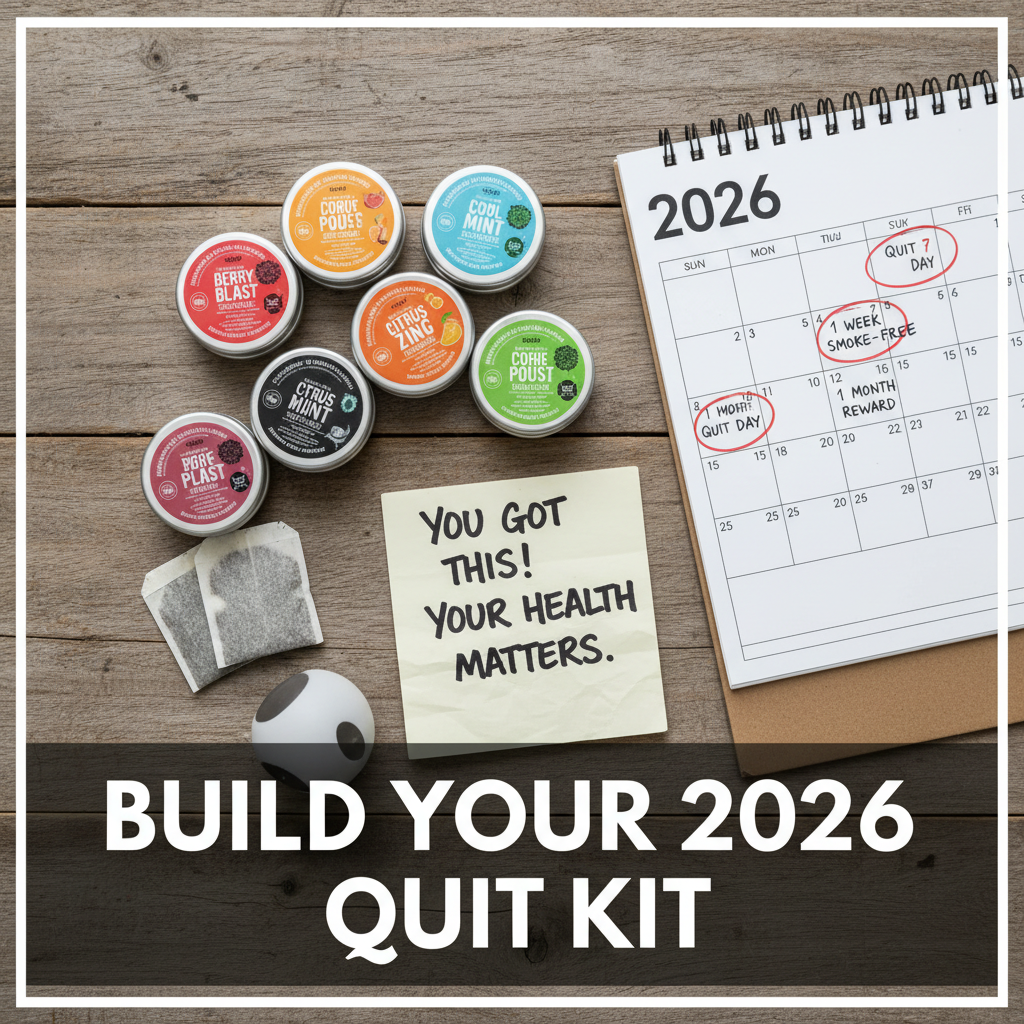
- Celebrate milestones. Each smoke-free week is a genuine achievement. Positive reinforcement helps maintain motivation over the 8-12 week critical period.
Choosing the Right Retailer for Cessation Products
Where you buy your smoking cessation products matters more than most people realize. The online pouch market has exploded in 2026, but not all retailers offer the same value or quality assurance.
Consider these factors when selecting a supplier:
- Product range: A wider selection means more strength options and flavors, which is critical for finding your ideal cessation tool. Look for retailers offering 400+ products across multiple brands.
- Storage conditions: Ask whether products are stored in climate-controlled environments. Standard warehouse storage accelerates nicotine degradation.
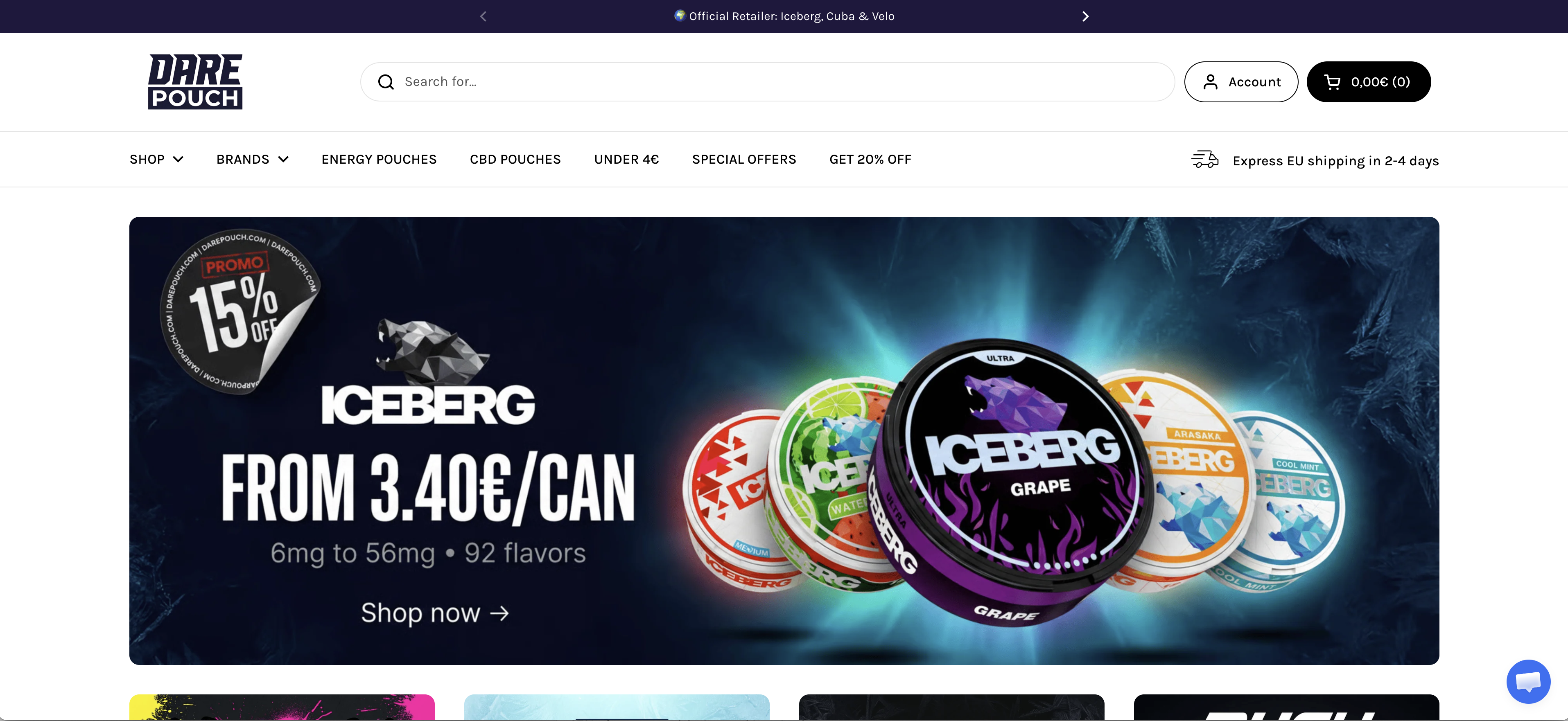
- Pricing and loyalty programs: Quitting smoking is a multi-week process. Bulk discounts (like buy 10 cans, get 15% off) and membership programs (like DarePouch's Dare Club offering 20% off every order) make sustained use more affordable.
- Shipping speed and discretion: Same-day dispatch and discreet packaging ensure you're never caught without your cessation product, which is vital during the early quit phase.
- Brand authenticity: Counterfeit nicotine products exist. Purchase only from authorized retailers who stock genuine products from brands like VELO, ZYN, ICEBERG, and PABLO.
| Feature | Standard Retailer | DarePouch |
|---|---|---|
| Product Range | 50-150 products | 500+ products, 15+ brands |
| Storage | Standard warehouse | Climate-controlled fridge |
| Strength Range | 4mg-20mg | 4mg-50mg |
| Loyalty Discounts | Occasional promotions | Dare Club: 20% off every order |
| Bulk Pricing | Varies | Buy 10 cans, get 15% off |
| Dispatch Speed | 1-3 business days | Same-day dispatch |
| Shipping Coverage | Limited regions | UK & Europe-wide |
Pro Tip: Stock up before your quit date. Running out of your cessation product during the first two weeks is one of the top reasons for relapse. Take advantage of bulk pricing to ensure you have at least a 3-week supply on hand from day one.
For those interested in exploring the broader world of energy and caffeine pouches as a complementary tool during cessation, nicotine-free options can help address the oral habit component without adding more nicotine to your step-down plan. Similarly, CBD pouches may offer calming effects that support the behavioral side of quitting.
Sources & References
Due to the nature of this topic, the following references reflect widely recognized public health authorities and research bodies whose findings inform the guidance throughout this article. Readers are encouraged to consult these organizations directly for the most current 2026 data:
- World Health Organization (WHO), "Tobacco Fact Sheet," 2024. Available at: https://www.who.int/news-room/fact-sheets/detail/tobacco
- Cochrane Library, "Nicotine replacement therapy versus control for smoking cessation," 2023 systematic review update. Available at: Recommended Articles
Explore more from our content library:


