

| Key Insight | Explanation |
|---|---|
| Start lower than you think | Most beginners overestimate the strength they need. Starting at 3mg–6mg prevents nausea and lets you calibrate properly. |
| mg isn't the whole story | Moisture level, pouch format, and pH balance all affect how intense a pouch feels, regardless of the labeled strength. |
| Cigarette-to-pouch conversion | Smokers of 10–20 cigarettes per day typically land comfortably in the 6mg–10mg range when switching to pouches. |
| High-strength pouches (20mg+) are not for beginners | Brands like Pablo and Siberia reach 50mg+. These are strictly for users with an established, high nicotine tolerance. |
| Your tolerance adapts quickly | Nicotine tolerance builds within days. You can step up strength gradually once your baseline is established. |
| Format affects absorption | Slim, moist pouches release nicotine faster than dry, regular-format pouches — even at the same labeled mg. |
Choosing the Right Nicotine Pouch Strength
Knowing how to find right nicotine strength is the single most important decision you'll make when switching to nicotine pouches. Get it wrong in either direction and the experience suffers: too low and you get no satisfaction, too high and you'll feel dizzy, nauseous, or just plain unwell. This guide walks you through the full process, from understanding what the mg number actually means to selecting the right pouch for your specific background — whether you're a light smoker, a heavy vaper, or a seasoned pouch user looking to recalibrate.
You won't need any special equipment. Just an honest sense of your current nicotine habits and about five minutes to read through the steps. By the end, you'll have a clear, specific starting point and a framework for adjusting from there.
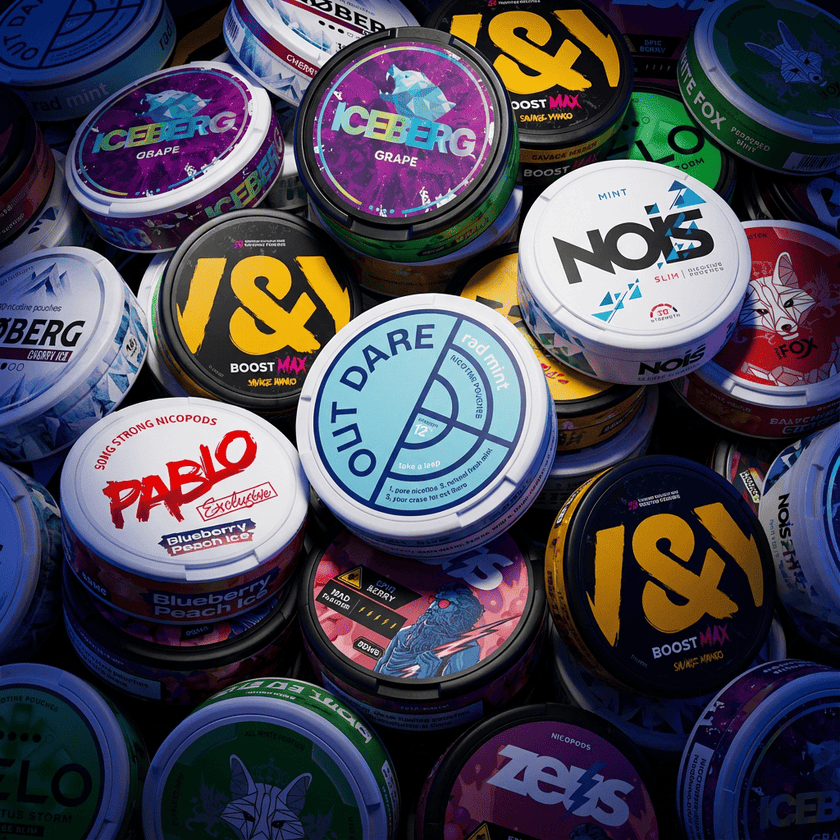
What You Need to Know First: How Nicotine Strength Works
Nicotine pouch strength is measured in milligrams (mg) per pouch, and this number tells you how much nicotine is contained in a single sachet. Understanding this baseline is essential before you can find right nicotine strength for your needs.
What the mg Number Actually Means
The mg figure on a nicotine pouch can refers to the total nicotine content per pouch, not the amount absorbed per minute. A 6mg pouch doesn't deliver all 6mg instantly — it releases nicotine gradually over 20–40 minutes as the pouch sits against your gum. This is fundamentally different from smoking, where nicotine hits the bloodstream within seconds of a puff [1].
The labeled strength is only one part of the equation. Three additional variables affect how strong a pouch actually feels:
- pH level: Higher pH (more alkaline) pouches release free nicotine more efficiently, making a 6mg alkaline pouch feel noticeably stronger than a 6mg neutral-pH pouch.
- Moisture content: Moist pouches (often labeled "wet" or "fresh") release nicotine faster and more intensely in the first few minutes.
- Pouch format: Slim pouches sit higher under the lip and often create more direct mucosal contact, which can intensify the nicotine hit compared to a larger, looser-fit regular format.
The Nicotine Pouch Strength Scale (2026)
As of 2026, the market covers a wide spectrum. Here's how the major tiers break down:
| Strength Tier | mg Range | Who It's For | Example Brands |
|---|---|---|---|
| Light | 2mg–4mg | Occasional smokers, complete beginners | ZYN 3mg, VELO 2mg, On! 2mg |
| Moderate | 6mg–8mg | Regular smokers (10–20 cigs/day), switchers | ZYN 6mg, Nordic Spirit 6mg, VELO 7mg |
| Strong | 10mg–14mg | Experienced users, heavy smokers | Killa 14mg, White Fox 12mg, NICO 10mg |
| Extra Strong | 16mg–25mg | High-tolerance daily users | Killa 16mg, White Fox Full Charge |
| Ultra / Max | 30mg–50mg+ | Experienced users only, high tolerance | Pablo, Siberia, ICEBERG Max |
Research published in Nicotine & Tobacco Research confirms that nicotine absorption from oral pouches varies significantly based on formulation factors beyond labeled content alone [2]. That's why the table above is a starting point, not a guarantee.
Step 1: Assess Your Nicotine Baseline
Before choosing a strength, honestly assess your current nicotine consumption — this is the most reliable predictor of which tier will satisfy you without overwhelming your system.
How to Gauge Your Current Intake
Your daily nicotine habit is your compass. Use these benchmarks as a guide:
- Non-smoker / never used nicotine: You have zero tolerance. Don't start with pouches unless you have a specific reason to — and if you do, 2mg is your absolute ceiling.
- Occasional smoker (under 5 cigarettes per day): Start at 3mg–4mg. Your tolerance is low and a 6mg pouch will likely feel too strong initially.
- Regular smoker (10–20 cigarettes per day): The 6mg–8mg range is your natural landing zone. This is where most switchers find a comfortable, satisfying hit [3].
- Heavy smoker (20+ cigarettes per day): You'll likely need 8mg–12mg to feel satisfied. The American Cancer Society notes that heavy smokers typically require higher-dose nicotine replacement to manage cravings effectively [4].
- Vaper (sub-ohm, low nicotine): If you're using 3mg e-liquid, start at 4mg–6mg pouches. Sub-ohm vaping delivers nicotine at a high volume but lower concentration.
- Vaper (nicotine salts, 20mg+): You have a higher tolerance. The 10mg–14mg range is likely your starting point.
Pro Tip: If you're genuinely unsure, always go one tier lower than you think you need. You can work up within a few days, but you can't undo an hour of nausea from starting too high.
The CDC's nicotine patch dosing guidelines use a similar logic: smokers of more than 10 cigarettes per day start at the full 21mg patch dose, while lighter smokers begin at 14mg [1]. The underlying principle is the same for pouches: match the dose to the habit.
Step 2: Match Strength to Your User Profile
Once you've assessed your baseline, map it to a specific starting strength using your broader user profile. Different backgrounds call for different approaches, and knowing which category you fall into helps you find right nicotine strength much faster.
Profile-Based Strength Recommendations
Here's how to translate your background into a concrete starting point:
- Complete beginners (no nicotine history): If you're exploring pouches out of curiosity, start at 2mg–3mg. Anything higher risks unpleasant side effects that will put you off entirely.
- Switchers from cigarettes: Use the 1mg-per-cigarette rule as a rough guide — 10 cigarettes per day maps to roughly 6mg–8mg. This isn't precise, but it's a useful starting anchor.
- Switchers from vaping: Your starting point depends on your e-liquid strength. According to industry guidance, users moving from 6mg e-liquid typically settle in the 6mg–10mg pouch range [5].
- Experienced pouch users: If you're already using pouches and want to recalibrate, go by feel rather than numbers. If your current strength leaves you unsatisfied after 20 minutes, step up one tier. If you feel a buzz or tingling, step down.
- Users stepping down to quit nicotine: Start at your current comfortable strength and reduce by one tier every 2–4 weeks. This is a structured nicotine reduction (NR) approach used in cessation programs.
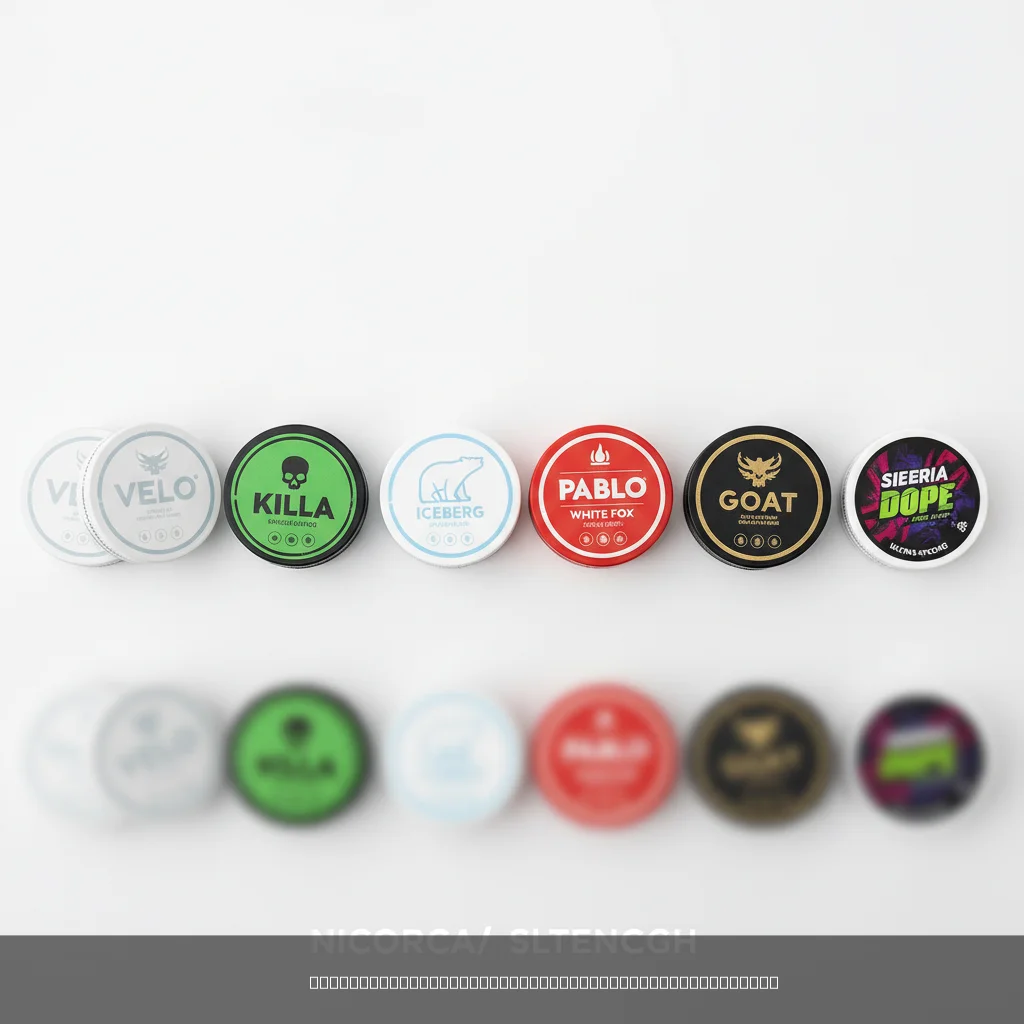
A common mistake at this stage is choosing based on brand reputation rather than your own baseline. Pablo and Siberia are well-known names, but their 30mg–50mg+ strengths are not a sign of quality — they're a sign of extreme potency. Reaching for them because they sound impressive is one of the most reliable ways to have a bad first experience with pouches.
Pro Tip: At DarePouch, we've found that the most common support request from new customers is "I bought something too strong." Save yourself the trouble — use the profile table above as your starting point, not the strongest option on the shelf.
Step 3: Factor In Format and Moisture
Format and moisture content directly affect how strong a pouch feels at any given mg level — a fact that most strength guides skip entirely, but that makes a real difference in practice.
Slim vs. Regular vs. Mini: What Changes
The physical format of a pouch changes its behavior under your lip:
- Slim pouches: Longer and narrower, designed to sit discreetly under the upper lip. They typically create more consistent gum contact, which means faster and more even nicotine release. A slim 8mg pouch often hits harder than a regular 8mg pouch.
- Regular / large pouches: More material, slightly looser fit. The release can feel slower and more gradual. Some users prefer this for a longer-lasting, more mellow experience.
- Mini pouches: Smallest format, lowest profile. Less gum contact means slower absorption. Good for beginners who want maximum discretion and a gentler experience.
The Moisture Factor
Moisture level (sometimes called "drip" or "wet" in brand descriptions) is a key variable:
- Dry pouches: Lower moisture content, slower release. The nicotine hit builds gradually. Less likely to cause an overwhelming rush.
- Moist / wet pouches: Higher moisture, faster release. You'll feel the hit within the first few minutes. At the same labeled strength, a moist pouch will feel noticeably stronger than a dry one.
Industry analysis confirms that formulation differences — including pH, moisture, and particle size — can significantly alter the effective nicotine delivery from pouches labeled at identical strengths [2]. This is why a moist slim pouch at 8mg can genuinely feel stronger than a dry regular pouch at 10mg.
The practical implication: if you're switching formats (for example, moving from regular to slim), don't automatically assume the same mg will feel the same. Drop one tier when trying a new, slimmer or moister format, then adjust upward if needed.
Step 4: Test, Adjust, and Find Right Nicotine Strength for You
Testing is how you confirm your starting point and dial in the exact strength that works — this is where you actively find right nicotine strength rather than just estimate it.
How to Run a Proper Strength Test
- Choose your starting pouch based on your profile assessment from Step 1 and 2.
- Place the pouch under your upper lip and leave it for a full 20–30 minutes. Don't remove it early — the nicotine release curve is gradual, and you need the full session to assess the effect accurately.
- Note how you feel at the 5-minute mark and again at the 20-minute mark. Write it down if you're testing multiple strengths.
-
Assess the result against these three outcomes:
- No noticeable effect after 20 minutes: You likely need to step up one tier.
- Mild tingling, satisfied craving, no dizziness: You've found your range. Stay here.
- Headache, nausea, dizziness, or racing heart: The strength is too high. Move down one tier and don't use that strength again until your tolerance increases.
- Wait 24 hours before testing a different strength. Your body needs time to reset between tests.
- Repeat with the adjusted strength until you find the level that satisfies without side effects.
In practice, most switchers find their optimal strength within 3–5 days of this process. Your tolerance adapts quickly — the American Cancer Society notes that nicotine tolerance develops rapidly with consistent use [4]. That means a strength that feels strong on day one may feel moderate by day five.
Pro Tip: Test your starting strength in the morning on a full stomach. Nicotine on an empty stomach amplifies side effects. This gives you a more accurate read on the true effect of the strength, not a hunger-related false positive.
Step 5: Know When to Step Up or Step Down
Finding your starting strength is step one — knowing when and how to adjust it over time is what keeps your experience consistent and satisfying.
Signs You Need to Step Up
- You finish a pouch and still feel a strong craving within 30 minutes.
- You're using more pouches per day than you used cigarettes (adjusted for session length).
- The pouch provides no noticeable effect after the first few minutes.
- Your tolerance has increased after several weeks of consistent use at the same strength.
Signs You Need to Step Down
- You feel dizzy, nauseous, or get a headache during or after using a pouch.
- You feel jittery or anxious — this is a sign of nicotine overconsumption.
- You're removing the pouch before the 20-minute mark because it feels too intense.
- You're using pouches primarily out of habit rather than craving — a good opportunity to reduce strength.
Research on nicotine replacement therapy (NRT) supports a structured step-down approach for users looking to reduce dependence over time [4]. The same principle applies to pouches: reduce by one tier, stabilize for 2–4 weeks, then reduce again.
One limitation worth acknowledging: this guide covers strength selection for adult users who already consume nicotine. If you're a non-smoker considering nicotine pouches, the guidance above doesn't apply — nicotine products are not appropriate for non-users, and no "right strength" exists for someone with zero tolerance and no existing habit to replace.
Common Mistakes to Avoid
Choosing the wrong nicotine pouch strength is one of the most common mistakes new users make — and most of them are avoidable with a bit of prior knowledge.
The Most Frequent Errors
- Starting with ultra-strong pouches (20mg+) as a beginner: Pablo, Siberia, and ICEBERG Max are legitimate products for experienced users with high tolerance. They are not starter products. A 50mg pouch on a first-time user will cause nicotine toxicity symptoms: nausea, sweating, and headache.
- Choosing strength based on brand name alone: "Killa" sounds strong, but Killa makes pouches from 6mg to 16mg+. The name is marketing. Always check the mg on the label.
- Ignoring format differences: Switching from a regular dry pouch to a slim moist pouch at the same mg and expecting the same experience is a setup for disappointment or discomfort. Adjust for format when you switch.
- Using multiple pouches in quick succession to compensate for low strength: If one pouch isn't doing the job, the answer is to try the next strength tier — not to stack two pouches simultaneously. Stacking compounds side effects without proportionally increasing satisfaction.
- Not giving each strength a fair trial: Some users try a new strength once, decide it's wrong, and jump to the next tier. One session isn't enough data. Try the same strength for at least 2–3 days before concluding it doesn't work.
- Treating mg as equivalent across product categories: The mg-per-pouch figure for nicotine pouches is not directly comparable to mg/ml in vape liquid or the nicotine content of a cigarette. These are different delivery mechanisms with different absorption rates [5].
A real-world example: a customer recently reached out after purchasing a 30mg Siberia pouch as their first-ever pouch product, based on a recommendation from a friend who'd been using pouches for three years. The friend had built tolerance over time — the newcomer hadn't. The result was a deeply unpleasant first experience that nearly put them off pouches entirely. Starting at 6mg and working up would have taken less than a week and saved a lot of discomfort.
Sources & References
- CDC, "How to Use Nicotine Patches," 2024
- PMC / NIH, "Nicotine Strength of E-Liquids Used by Adult Vapers in Great Britain," 2024
- FrePouch, "Choosing the Right Nicotine Strength for Your Pouches," 2024
- American Cancer Society, "Nicotine Replacement Therapy to Help You Quit Tobacco," 2024
- Vape Superstore, "What Nicotine Strength Should I Vape? UK Guide," 2024
- UK Ecig Store, "What Nicotine Strength Should I Vape?" 2024
- OK Vape, "Choosing a Nicotine Strength — Refills & E-Liquids," 2024
Frequently Asked Questions
1. What nicotine pouch strength should a beginner start with?
Beginners should start at 3mg–6mg depending on their smoking history. If you've never used nicotine before, 2mg–3mg is the appropriate ceiling. If you smoke 10–20 cigarettes per day, 6mg is a solid starting point. The goal is to find right nicotine strength that satisfies without causing dizziness or nausea — and you can always step up after a few days once you know how your body responds.
2. How do I know if a nicotine pouch is too strong for me?
The clearest signs are dizziness, nausea, headache, or a racing heartbeat during or after use. A mild tingling under the lip is normal — that's the nicotine absorbing. But if you feel unwell or need to remove the pouch early, the strength is too high. Drop down one tier and don't return to that strength until your tolerance has increased.
3. Is 6mg a nicotine pouch the same as 6mg in a vape?
No. Vape e-liquid strength is measured in mg per milliliter (mg/ml), and the total nicotine you consume depends on how much liquid you vape. A nicotine pouch lists total mg per pouch. The delivery mechanisms are also different: vaping delivers nicotine to the lungs (fast), while pouches absorb through the gum lining (slower). You can't directly compare the two numbers.
4. Are Pablo and Siberia pouches safe for regular use?
Pablo and Siberia pouches contain 30mg–50mg+ of nicotine per pouch, which is extremely high. They're not appropriate for beginners or even moderate users. Experienced users with high tolerance may use them, but the risk of nicotine overconsumption is real at these levels. This guide doesn't make safety claims about any nicotine product, but the practical advice is clear: these are not everyday starter products.
5. Can I use a stronger pouch to use fewer pouches per day?
In theory, yes — a higher-strength pouch may satisfy cravings for longer, reducing the number of pouches you use. In practice, this only works if the higher strength is within your tolerance range. If it's too strong, you'll remove it early anyway and get less total nicotine than a lower-strength pouch used for a full session. Match strength to tolerance first, then optimize frequency.
6. How does pouch format (slim vs. regular) affect the strength I should choose?
Slim pouches typically deliver a faster, more concentrated nicotine hit due to closer gum contact. If you're switching from a regular-format pouch to a slim format, consider dropping one strength tier initially. A slim 6mg pouch can feel as strong as a regular 8mg pouch, depending on the brand's formulation and moisture level. Always account for format when testing a new product.
7. How long does it take to find the right nicotine pouch strength?
Most people find right nicotine strength within 3–7 days of systematic testing. Start at your estimated baseline, test for 2–3 days, then adjust up or down by one tier if needed. Your tolerance adapts quickly, so what feels too strong on day one may be comfortable by day four. Don't rush the process — patience here saves you money and discomfort in the long run.
8. Does flavor affect how strong a nicotine pouch feels?
Flavor doesn't directly change the nicotine content, but it can influence your perception of strength. Cooling mint flavors (like spearmint or menthol) create a tingling sensation that some users interpret as a stronger hit. Tobacco and coffee flavors tend to feel more mellow. This is a sensory effect, not a chemical one — but it's worth factoring in when comparing pouches across flavor profiles at the same mg.
Conclusion
Getting the strength right is the foundation of a good pouch experience. The process isn't complicated, but it does require honesty about your current habits and patience during the testing phase. Start by assessing your nicotine baseline, map it to the appropriate strength tier, account for format and moisture, and test systematically before committing to a product.
To find right nicotine strength, remember the core principle: start lower than you think you need, test for a few days, and adjust by one tier at a time. Tolerance builds quickly, and stepping up is always easier than recovering from a strength that's too high.
DarePouch stocks the full spectrum from 2mg beginner options like ZYN and VELO through to high-strength products like Killa, White Fox, and beyond — all stored in climate-controlled conditions to guarantee freshness and potency. With 500+ products across every strength tier, you're not limited to whatever your local shop happens to carry. Our Dare Club membership also saves you 20% on every order, making it practical to try multiple tiers without overspending. Browse the full range at DarePouch and use this guide to shop with confidence.
Recommended Articles
Explore more from our content library:


