

| Key Insight | Explanation |
|---|---|
| pH directly drives nicotine absorption | Higher pH (alkaline) pouches convert more nicotine to free-base form, which absorbs faster through oral tissue and often causes a stronger burn. |
| Pouch pH ranges from 6.86 to 10.1 | Research on 37 products found pH spanning nearly the full spectrum, meaning irritation risk varies enormously by brand and product. |
| Nicotine strength isn't the only factor | A lower-mg pouch at high pH can irritate more than a higher-mg pouch at neutral pH, because free-base nicotine hits tissue harder. |
| Placement and rotation reduce irritation | Rotating the pouch placement around your gum line and limiting session duration are the most effective practical fixes. |
| Slim, drier pouches tend to be gentler | Slim-format pouches with lower moisture content release nicotine more slowly, reducing the acute irritation spike. |
| Beginners are most vulnerable | Oral tissue that hasn't adapted to nicotine pouches is significantly more sensitive to both pH and nicotine-related irritation. |
Nicotine pouch pH irritation is the burning or stinging sensation some users experience when a pouch's alkaline chemistry accelerates nicotine delivery through oral tissue. It's one of the most common complaints among new pouch users, and it's almost entirely explained by chemistry, not just strength. Understanding it helps you choose better products and use them more comfortably.
The burning isn't random. A 2025 narrative review published in Frontiers in Public Health found that nicotine pouches carry a median pH of 8.8, well into alkaline territory, and that this elevated pH is the primary driver of how quickly free-base nicotine (the form that crosses cell membranes) floods oral tissue [1]. That rush of absorption is what creates the sting. This guide explains the science, identifies which products are most likely to cause discomfort, and gives you concrete strategies to manage it.
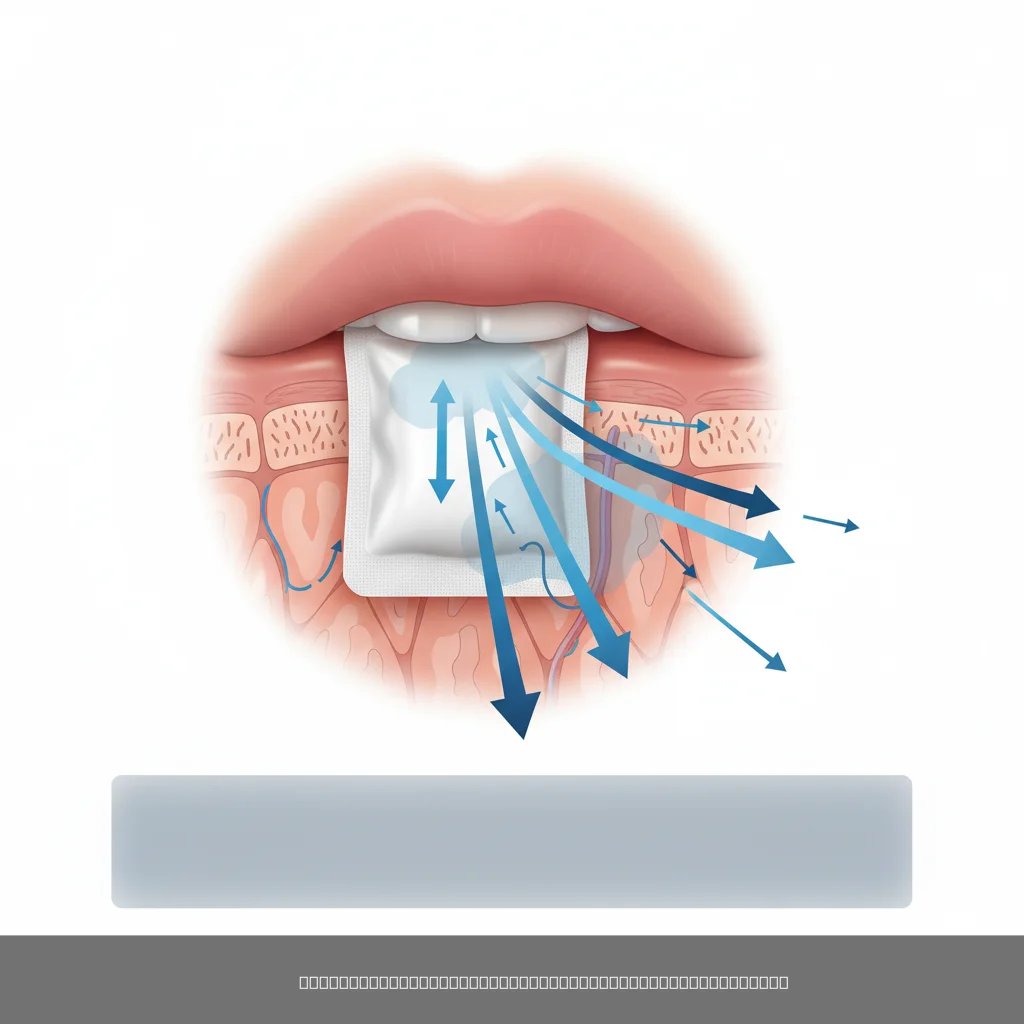
What Is Nicotine Pouch pH Irritation?
Nicotine pouch pH irritation is the localized burning, tingling, or stinging sensation caused by alkaline pouch chemistry rapidly delivering free-base nicotine through the oral mucosa. It is distinct from flavor-related tingling and is primarily a pharmacological response.
The Chemistry Behind the Burn
Nicotine exists in two chemical forms inside a pouch. Protonated nicotine (also called salt-form nicotine) is stable, slower to absorb, and gentler on tissue. Free-base nicotine is the unionized form, highly lipophilic (fat-soluble), and able to cross cell membranes rapidly. pH determines the ratio between these two forms.
According to research published in PMC on the central role of pH in nicotine pharmacology, higher pH shifts the equilibrium toward free-base nicotine, dramatically increasing absorption speed [2]. At pH 8.8, a substantial proportion of the nicotine in a pouch is already in free-base form before it even contacts your gum tissue. That rapid uptake overwhelms local nerve endings, producing the characteristic burn.
Research analyzing 37 nicotine pouch products found pH values ranging from 6.86 to 10.1, translating to free-base nicotine proportions of 7.7% to 99.2% [3]. That's not a small difference. A pouch at pH 10.1 delivers nearly all its nicotine in the most tissue-reactive form, while one at pH 6.86 delivers almost none in that form.
Why This Matters More Than Strength Alone
Most people assume the milligram number on the can is the main variable. It isn't. pH is arguably more important for predicting irritation. A 6mg pouch at pH 9.5 can feel significantly harsher than a 12mg pouch at pH 7.2, because the higher-pH product delivers a greater proportion of its nicotine as free-base.
According to Healthline's review of nicotine pouches, gum and mouth irritation is among the most commonly reported side effects, particularly for users new to the format [4]. The mechanism is almost always pH-driven, not purely strength-driven.
Pro Tip: If you're experiencing consistent burning with a specific brand, check whether that brand uses a high-pH alkaline base (like sodium carbonate) in its formulation. Brands that buffer toward lower pH values tend to produce noticeably gentler experiences, especially for new users.
How pH Affects Nicotine Absorption and Tissue Irritation
pH controls the speed and intensity of nicotine delivery: higher pH means more free-base nicotine, faster absorption, and a greater likelihood of oral tissue irritation.
The Henderson-Hasselbalch Principle in Practice
Chemists describe the relationship between pH and ionization using the Henderson-Hasselbalch equation, a standard pharmacological framework for predicting how drugs behave at different pH levels. For nicotine, the pKa (the pH at which half the nicotine is in free-base form) is approximately 8.0. This means:
- At pH 7.0 (slightly acidic), roughly 9% of nicotine is in free-base form.
- At pH 8.0 (neutral-alkaline), approximately 50% is free-base.
- At pH 9.0 (alkaline), around 91% is free-base.
- At pH 10.0 (strongly alkaline), over 99% is free-base.
This is why manufacturers of high-strength pouches like Pablo and Siberia tend to use alkaline additives such as sodium carbonate or potassium carbonate. They're not just preserving the product. They're engineering faster nicotine delivery. The tradeoff is a harsher sensation, particularly for users whose oral tissue hasn't adapted [5].
What Happens to Your Oral Tissue
The oral mucosa (the lining of your mouth and gums) is permeable but sensitive. When free-base nicotine contacts it in high concentrations and at speed, several things happen:
- Vasodilation: Blood vessels near the surface dilate rapidly as nicotine enters the bloodstream, which some users perceive as heat or flushing.
- Nerve stimulation: Free-base nicotine activates nicotinic acetylcholine receptors in local nerve endings, producing the tingling or stinging sensation.
- Mucosal disruption: Prolonged exposure at high pH can temporarily disrupt the protective mucin layer on gum tissue, increasing sensitivity.
- Salivary pH shift: The alkaline pouch raises local salivary pH, which can affect the oral environment beyond the immediate contact point.
Research from Tobacco Induced Diseases notes that pH and nicotine levels in some nicotine pouches are similar to those in conventional tobacco products, suggesting comparable mucosal exposure risks in high-pH products [6].
A clinical trial registered at ClinicalTrials.gov (NCT06597435) is actively investigating how variations in nicotine concentration and pH interact to affect user perceptions and behavior, which will likely sharpen our understanding of these mechanisms further [7].
| pH Range | Free-Base Nicotine % | Absorption Speed | Irritation Risk | Typical Product Profile |
|---|---|---|---|---|
| 6.5 – 7.5 | 3% – 24% | Slow | Low | Mild beginner-friendly pouches |
| 7.5 – 8.5 | 24% – 76% | Moderate | Moderate | Mid-strength mainstream brands (ZYN, VELO, Nordic Spirit) |
| 8.5 – 9.5 | 76% – 97% | Fast | High | High-strength pouches (Killa, White Fox) |
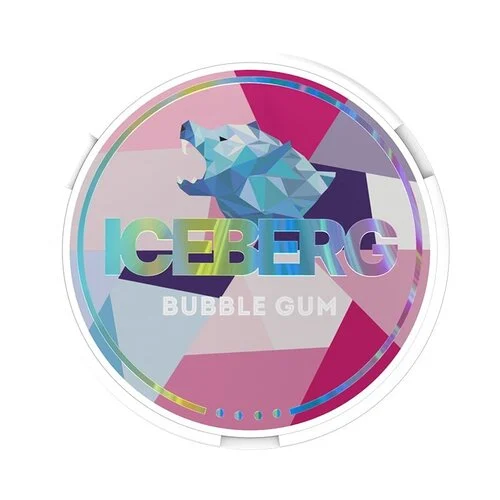
| 9.5 – 10.1+ | 97% – 99.2% | Very Fast | Very High | Ultra-strong pouches (Pablo, Siberia, ICEBERG) |
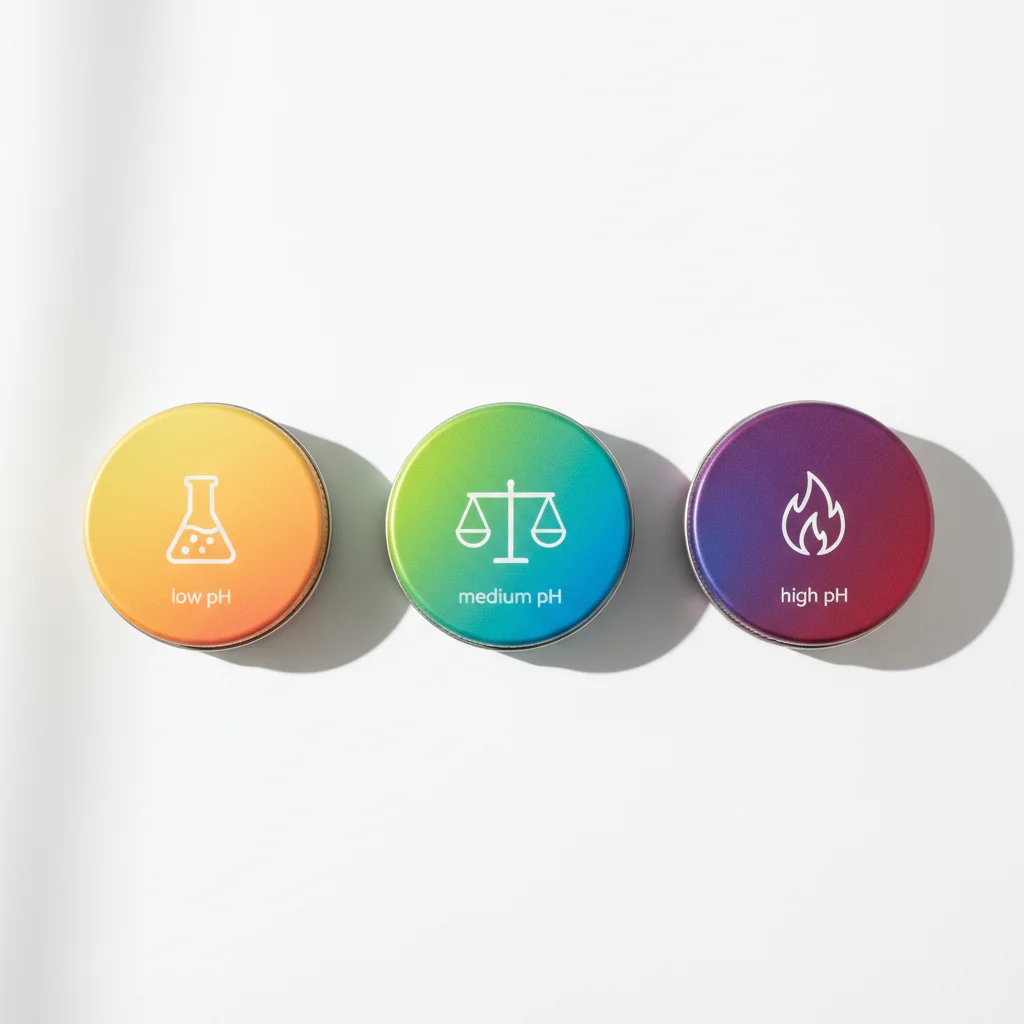
Factors That Make Nicotine Pouch pH Irritation Worse
Several variables compound nicotine pouch pH irritation beyond the pouch's base pH, including moisture content, placement habits, session duration, and individual tissue sensitivity.
Product-Level Variables
Not all irritation comes from pH alone. These product characteristics interact with pH to amplify or reduce discomfort:
- Moisture content: Wetter pouches release nicotine faster and in higher concentrations per minute. A moist pouch at pH 8.5 can feel more aggressive than a dry pouch at the same pH.
- Pouch format: Large-format pouches have more surface area in contact with gum tissue, increasing total nicotine exposure. Slim and mini formats distribute pressure more evenly and often feel gentler.
- Nicotine salt type: Some manufacturers use nicotine bitartrate or nicotine benzoate salts, which behave differently at equivalent pH levels compared to standard nicotine hydrochloride.
- Flavoring agents: Menthol and certain synthetic flavor compounds have mild anesthetic properties that can mask irritation. Conversely, some citrus or spice-based flavors add their own mild mucosal irritation on top of pH effects.
- Filler material: The cellulose or plant-fiber matrix inside the pouch affects how evenly nicotine is released. Poorly distributed filler can create localized concentration spikes.
User Behavior and Individual Factors
From experience, the most common mistake new users make is placing the pouch directly on sensitive gum tissue and leaving it in the same spot for the full session, every time. That's a reliable way to develop localized soreness. Here's what actually compounds the problem:
- Fixed placement: Always using the same spot under the upper lip concentrates pH exposure on a small area of tissue repeatedly.
- Extended session duration: Keeping a pouch in for 45-60 minutes (or longer) increases total mucosal exposure significantly beyond what a 20-minute session delivers.
- Dehydration: Reduced saliva flow means less buffering of the pouch's alkaline pH against your natural oral environment. Research from ZYLO Pouch notes that low hydration directly exacerbates irritation [8].
- Oral lesions or cuts: Any break in the mucosal surface dramatically increases sensitivity to both pH and nicotine.
- Tobacco history: Interestingly, long-term smokers sometimes have thickened oral mucosa (keratosis) that makes them temporarily less sensitive to pouch irritation, while never-smokers may find even moderate-pH pouches uncomfortable at first.
According to Vaping360's analysis of nicotine pouch irritation, higher-pH pouches may be harsher specifically because the nicotine is absorbed more quickly, potentially causing a stinging or burning sensation that lower-pH alternatives avoid [9].
Pro Tip: If you're new to pouches and experiencing burning, don't immediately assume you need a lower-strength product. Try the same brand in a slim, drier format first. You might find the pH and moisture combination in the original format was the real issue, not the nicotine content.
Best Practices for 2026: Reducing Nicotine Pouch pH Irritation
The most effective strategies for managing nicotine pouch pH irritation combine smarter product selection with better placement habits and session management.
Choosing Lower-Irritation Products
As of 2026, manufacturers are increasingly aware that pH-driven irritation is a significant barrier to new user adoption. Some brands are actively formulating toward lower pH profiles or using nicotine salt forms that deliver satisfying absorption with less mucosal aggression. Here's how to shop smarter:
- Start with mainstream mid-strength brands. ZYN, VELO, and Nordic Spirit generally sit in the pH 7.5-8.5 range, delivering a noticeable but not overwhelming experience. They're well-calibrated for new users.
- Choose slim or mini formats over regular or large. Less surface contact means lower acute irritation, even at equivalent pH.
- Opt for drier pouches initially. Dry-format pouches release nicotine more gradually, giving your tissue time to adapt rather than experiencing a rapid-onset surge.
- Avoid ultra-strong products until you've built tolerance. Pablo, Siberia, and ICEBERG products at 20mg-50mg+ are formulated for experienced users. Their pH profiles are engineered for speed, not gentleness.
- Consider flavors with menthol. Mint-based pouches often feel cooler and less irritating, partly due to menthol's mild anesthetic effect on mucosal tissue.
Practical Usage Habits That Make a Real Difference
At DarePouch, we've found that most users who struggle with persistent irritation are making one or two simple behavioral mistakes rather than using the wrong product entirely. Follow these steps to reduce discomfort:
- Rotate placement. Alternate between upper left, upper right, and lower positions across sessions. No single spot should take consecutive hits.
- Limit session length. Start with 15-20 minutes per session. Most of the nicotine is absorbed in the first 15 minutes anyway; extending beyond 30 minutes rarely increases satisfaction but does increase irritation risk.
- Stay hydrated. Drink water before and after using a pouch. Adequate saliva flow helps buffer the alkaline pH and reduces mucosal dryness.
- Give tissue recovery time. Don't chain-use pouches back to back. Allow at least 30-60 minutes between sessions for your gum tissue to recover.
- Don't chew or move the pouch. Keeping it stationary reduces mechanical friction on already pH-stressed tissue.
- Take breaks if soreness develops. If you notice consistent soreness at a placement site, skip that location for 24-48 hours before resuming.
Pro Tip: Our team at DarePouch recommends new users start with a 6mg slim mint pouch from a brand like ZYN or VELO for their first week. The format, flavor, and pH profile of these products are genuinely beginner-optimized. Once your tissue has adapted over 7-10 days, you can experiment with stronger or higher-pH options from there.
Research published via Veeva's clinical study platform confirms that manufacturers are using acid additives to lower pH in some products, converting nicotine from free-base to protonated form specifically to reduce harshness while maintaining satisfaction [10]. This trend is worth watching as more brands move toward pH-optimized formulations.
The 2025 PMC narrative review also notes that the wide variability in pH across the market (median 8.8, range 6.86-10.1) means there's genuine product-level choice available to consumers who know what to look for [1]. You don't have to accept irritation as inevitable.
Sources & References
- PMC / Frontiers in Public Health, "Nicotine pouches: a narrative review of the existing literature," 2025
- PMC, "The central role of pH in the clinical pharmacology of nicotine," 2022
- ResearchGate, "Free nicotine (%) by pH levels for 37 nicotine pouch products by brand," 2021
- Healthline, "Nicotine Pouches: Use, Side Effects, Alternatives," 2023
- Frontiers in Public Health, "Nicotine pouches: a narrative review of the existing literature," 2025
- Tobacco Induced Diseases, "Exploring the effect of nicotine pouches on users' health in Saudi Arabia," 2023
- ClinicalTrials.gov, "Effects of Nicotine Pouch Characteristics on Perceptions and Behavior," NCT06597435
- ZYLO Pouch, "What Causes Throat Tightness from Nicotine Pouches," 2024
- Vaping360, "Nicotine Pouch Irritation: Why Do ZYNs Burn?," 2024
- Veeva CTV, "Effects of Nicotine Pouch Characteristics on Perceptions and Behavior," 2024
- Snusdaddy, "Why Do Nicotine Pouches & ZYN Burn? The Science & Prevention," 2024
- Edge Vaping, "Why Nicotine Pouches Burn Your Gums," 2024
Frequently Asked Questions
1. Does nicotine cause pH imbalance in the mouth?
Nicotine pouches themselves are formulated at alkaline pH levels (typically 7.5-10.1), which temporarily raises the local pH of your saliva and oral environment during use. This is intentional: the alkaline environment converts nicotine to its free-base form for faster absorption. However, this pH shift is transient. Unlike long-term tobacco smoking, which research links to chronically lowered salivary pH and increased vulnerability to oral disease, nicotine pouch use produces a temporary local alkaline shift rather than a sustained acidic imbalance. The concern is less about systemic pH disruption and more about localized mucosal exposure during the session itself.
2. Can nicotine pouches cause irritation?
Yes, nicotine pouch pH irritation is real and well-documented, but it's highly variable by product and user. The primary mechanism is pH-driven free-base nicotine delivery: higher-pH pouches release more nicotine in the form that crosses oral tissue rapidly, producing burning or tingling sensations. Secondary contributors include moisture content, pouch format, session duration, and individual tissue sensitivity. Most users find that irritation decreases significantly after the first 1-2 weeks as oral tissue adapts, and that switching to a slim, lower-pH, or drier format resolves persistent discomfort without sacrificing nicotine satisfaction.
3. Which nicotine pouches have the lowest pH and cause the least irritation?
Among well-known brands, mainstream products from ZYN, VELO, and Nordic Spirit tend to sit in the more moderate pH range (approximately 7.5-8.5), making them gentler choices for users sensitive to nicotine pouch pH irritation. Ultra-strong products from Pablo, Siberia, Killa, and ICEBERG are formulated at higher pH values (often 9.0+) to deliver rapid nicotine absorption, which comes with a higher irritation profile. If you're specifically seeking lower-irritation options, look for slim-format, moderate-strength (6-10mg) pouches with drier textures from established brands.
4. Why do ZYN pouches burn more than other brands?
ZYN pouches across different product lines vary in pH and moisture content. Some ZYN variants, particularly higher-strength options (11mg+), sit at a higher pH that increases free-base nicotine delivery and can feel more intense. Additionally, ZYN's moisture level and slim format mean nicotine is released relatively quickly. Users who find ZYN burns should try a lower-strength variant (3mg or 6mg) or experiment with a drier-format alternative. The burn is almost always pH and strength related, not a product defect.
5. Can you build tolerance to nicotine pouch pH irritation?
Yes. Oral tissue does adapt to regular pouch use over time. Most new users report that the burning sensation from nicotine pouch pH irritation decreases noticeably after 1-2 weeks of consistent use, as the oral mucosa becomes less reactive to alkaline pH exposure and free-base nicotine. This is not the same as the tissue becoming damaged; it's a normal physiological adaptation. That said, tolerance to irritation doesn't mean you should push to higher-pH products prematurely. Build up gradually and let your tissue set the pace.
6. Are there long-term side effects of nicotine pouch pH irritation?
Current research on long-term effects is still developing, and results may vary by individual usage patterns. Short-term, this practice can cause localized gum soreness, minor mucosal inflammation, and occasional ulceration at frequently used placement sites. The 2025 narrative review in Frontiers in Public Health notes that while nicotine pouches are tobacco-free, their alkaline pH and nicotine content warrant ongoing study of mucosal effects with prolonged use [1]. Rotating placement, limiting session duration, and taking regular breaks are the most practical ways to minimize cumulative tissue exposure.
7. Does staying hydrated actually reduce nicotine pouch burning?
Yes, and it's one of the most underrated practical tips. Saliva acts as a natural buffer, diluting and moderating the alkaline pH of the pouch at the tissue contact point. When you're dehydrated, saliva flow decreases, which means less buffering and more direct alkaline exposure to your gum tissue. Drinking water before and after a session, and avoiding alcohol or caffeine immediately beforehand, meaningfully reduces the intensity of this method for most users.
Note: This article covers the chemistry and management of this strategy. It does not address systemic health effects of long-term nicotine use, dental disease, or medical treatment for oral conditions. Consult a healthcare professional if you experience persistent oral pain, ulceration, or other symptoms.
Bottom Line
this approach isn't a mystery. It's a predictable consequence of alkaline chemistry accelerating free-base nicotine delivery through sensitive oral tissue. The higher the pH, the more free-base nicotine, the faster the absorption, and the more intense the sensation. That's the core mechanism, and understanding it gives you real control over your experience.
The practical fixes are straightforward. Choose moderate-pH products from established brands. Start with slim, drier formats at 6-8mg. Rotate your placement, stay hydrated, and keep sessions to 15-20 minutes. Give your tissue time to adapt before stepping up to higher-strength or higher-pH options like Pablo, Killa, or ICEBERG.
At DarePouch, we stock 500+ products across 100+ brands, stored in climate-controlled conditions to preserve freshness and potency exactly as intended. Whether you're looking for a gentle starting point or trying to find a high-strength option that doesn't punish your gums, our catalog and expert guides are built to help you buy right the first time. Every order ships same-day with tracked delivery across Europe.
Recommended Articles
Explore more from our content library:


