

| Key Insight | Explanation |
|---|---|
| Cold turkey success rate | Only 3-5% succeed without support, but proper preparation increases odds significantly |
| Peak withdrawal timing | Worst symptoms occur 24-72 hours after quitting, then gradually improve |
| Nicotine replacement alternatives | Tobacco-free nicotine pouches provide controlled nicotine without smoking |
| Critical preparation period | 2-week preparation phase dramatically improves long-term success rates |
| Support system importance | People with strong support networks are 4x more likely to quit successfully |
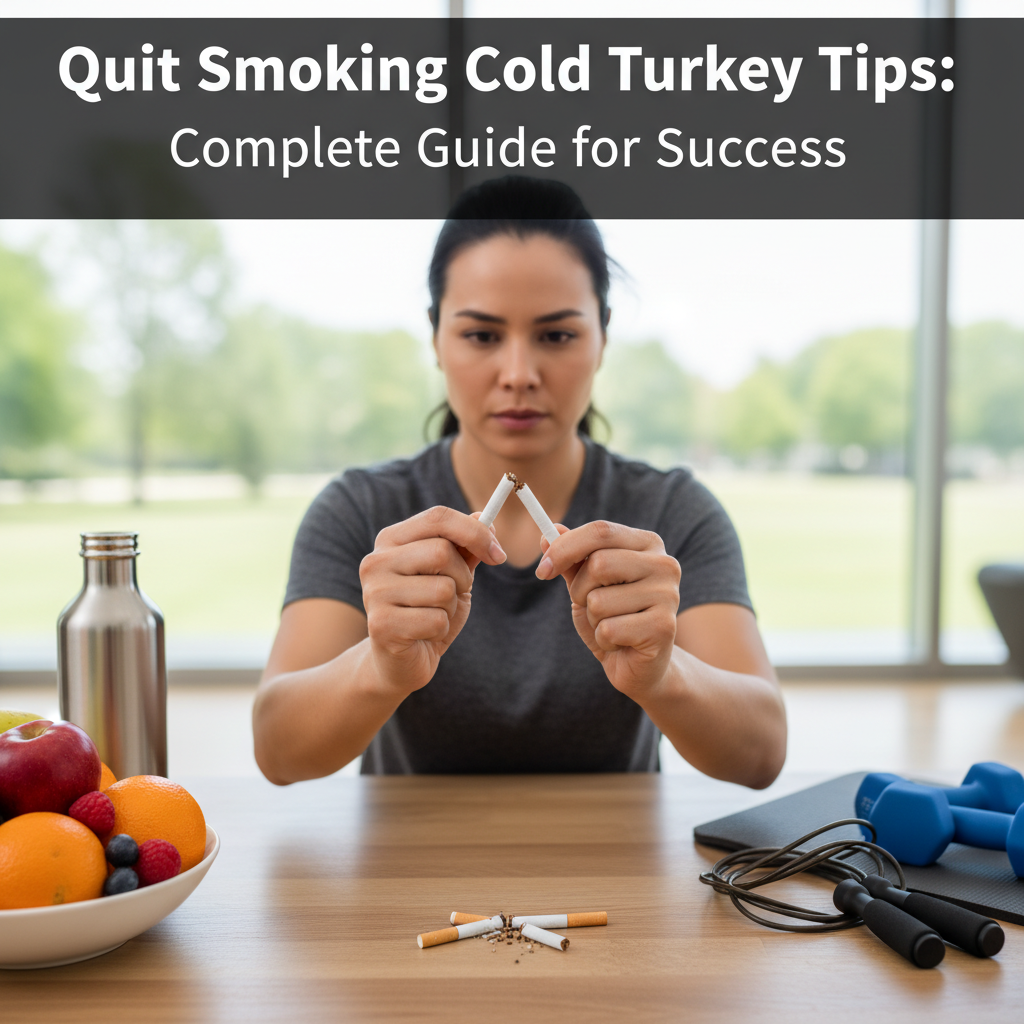
Understanding the Cold Turkey Method: quit smoking cold turkey tips
The cold turkey method involves stopping smoking completely and immediately, without using nicotine replacement therapy or gradual reduction. This approach relies on willpower, preparation, and strategic coping mechanisms to overcome nicotine addiction and withdrawal symptoms. Research from the American Cancer Society shows that while only 3-5% of people succeed with cold turkey attempts without preparation, those who follow structured quit smoking cold turkey tips can achieve success rates of 15-20%. The key lies in understanding what you're up against and preparing accordingly.Why Cold Turkey Can Be Effective
The cold turkey approach offers several distinct advantages over gradual methods:- Complete break from smoking rituals and triggers
- Faster elimination of nicotine from your system (72 hours)
- No prolonged withdrawal period from tapering
- Clear, definitive quit date with no ambiguity
- Immediate health benefits begin within 20 minutes
What to Expect: Withdrawal Timeline
Understanding the withdrawal timeline helps you prepare for the most challenging periods. Peak withdrawal symptoms occur between 24-72 hours after quitting, when nicotine levels drop to zero.| Timeframe | Physical Symptoms | Emotional Symptoms |
|---|---|---|
| First 24 hours | Cravings, restlessness, increased appetite | Anxiety, irritability, mood swings |
| Days 2-3 | Headaches, fatigue, difficulty concentrating | Depression, anger, intense cravings |
| Week 1 | Cough, sleep disturbances, constipation | Emotional volatility, difficulty focusing |
| Weeks 2-4 | Gradual improvement, occasional cravings | Mood stabilization, increased confidence |
Pro Tip: The "3-3-3 rule" can help during intense cravings: take 3 deep breaths, drink 3 sips of water, and wait 3 minutes. Most cravings pass within this timeframe.
Prepare for Your Quit Day
Successful cold turkey attempts require thorough preparation, typically spanning 2-3 weeks before your chosen quit date. This preparation phase significantly improves your chances of success by addressing both practical and psychological aspects of quitting. Start by selecting a specific quit date within the next two weeks. Choose a day with minimal stress and maximum support availability. Many people find success quitting on weekends when work pressures are reduced and they can focus entirely on managing withdrawal symptoms.Remove All Smoking Triggers
Environmental preparation plays a crucial role in cold turkey success. Your goal is to eliminate every physical reminder and trigger that might prompt a smoking urge during vulnerable moments. Complete these essential steps before your quit day:- Dispose of all cigarettes, lighters, matches, and ashtrays
- Wash all clothing, curtains, and upholstery to remove smoke odors
- Clean your car thoroughly, including air fresheners
- Identify and avoid your strongest smoking locations for the first week
- Remove smoking apps or delivery services from your phone
Stock Healthy Alternatives
Replacement behaviors help manage both the physical habit of smoking and oral fixation needs. Prepare a variety of healthy alternatives to reach for during cravings. Effective smoking alternatives include:- Sugar-free gum or mints for oral stimulation
- Carrot sticks, celery, or sunflower seeds for crunching satisfaction
- Stress balls or fidget toys for hand occupation
- Herbal teas for relaxation and routine replacement
- Nicotine pouches for controlled nicotine delivery without smoking
Pro Tip: Keep healthy alternatives in all your usual smoking locations - car, office, home. When cravings hit, you want immediate access to replacement behaviors.
Manage Withdrawal Symptoms Effectively
Physical and psychological withdrawal symptoms represent the biggest challenge in quit smoking cold turkey tips implementation. Understanding how to manage these symptoms effectively can mean the difference between success and relapse during critical early days. Withdrawal symptoms result from your brain's adaptation to regular nicotine intake. When you stop smoking, neurotransmitter levels fluctuate dramatically, causing the uncomfortable sensations that drive many people back to cigarettes. However, these symptoms are temporary and manageable with the right strategies.Physical Symptom Management
Each withdrawal symptom requires specific management strategies for optimal relief. The key is having multiple tools available, as different symptoms may respond better to different approaches. For headaches and tension:- Apply cold compresses to temples and neck
- Practice progressive muscle relaxation
- Stay hydrated with at least 8 glasses of water daily
- Consider over-the-counter pain relievers as needed
- Establish a consistent bedtime routine
- Avoid caffeine after 2 PM
- Use relaxation apps or white noise machines
- Try light exercise earlier in the day
Psychological Coping Techniques
Mental and emotional symptoms often prove more challenging than physical withdrawal. Irritability, anxiety, and depression can persist for weeks, requiring sustained coping strategies. The "STOP" technique provides immediate relief during intense cravings:- Stop what you're doing and acknowledge the craving
- Take three deep breaths and count to ten
- Observe the craving without judgment - it will pass
- Proceed with a healthy alternative activity

Pro Tip: Create a "craving emergency kit" with your phone containing motivational photos, supportive text messages, and distraction games. Having immediate access to positive reinforcement during weak moments can prevent relapse.
Build Your Support System
Social support dramatically improves cold turkey success rates, with studies showing that people with strong support networks are four times more likely to quit successfully. Building this support system requires intentional effort and clear communication about your needs and goals. Your support network should include both professional resources and personal connections. Professional support might include healthcare providers, quitlines, or online communities, while personal support comes from family, friends, and colleagues who understand your journey.Communicate with Family and Friends
Clear communication about your quit attempt helps others provide appropriate support while avoiding inadvertent sabotage. Many well-meaning friends and family members don't understand how to help effectively without specific guidance. Share these specific requests with your support network:- Ask them not to offer cigarettes or smoke around you during the first month
- Request patience during mood swings and irritability periods
- Provide them with specific ways to help (distraction activities, encouragement phrases)
- Explain your withdrawal timeline so they understand temporary behavioral changes
- Ask for accountability check-ins at predetermined intervals
Leverage Professional Resources
Professional support services provide evidence-based strategies and objective guidance throughout your quit journey. These resources complement personal support networks by offering expert knowledge and proven techniques. Available professional resources include:- National quitlines offering free telephone counseling
- Healthcare providers who can prescribe medications if needed
- Online support communities with 24/7 availability
- Mobile apps providing tracking and motivation tools
- Local support groups for face-to-face interaction
Develop Long-Term Coping Strategies
Long-term success with quit smoking cold turkey tips requires developing sustainable coping strategies that extend well beyond the initial withdrawal period. While acute withdrawal symptoms typically resolve within weeks, psychological triggers and occasional cravings can persist for months or even years. The most successful quitters develop a comprehensive toolkit of coping mechanisms that address different types of triggers and situations. This approach ensures you're prepared for various scenarios that might otherwise lead to relapse.Identify and Address Personal Triggers
Trigger identification represents a crucial component of relapse prevention. Most people have specific situations, emotions, or environments that strongly associate with smoking behavior. Understanding these triggers allows you to develop targeted strategies for each scenario. Common smoking triggers include:- Stress and anxiety situations
- Social gatherings where others smoke
- Alcohol consumption
- Specific times of day (morning coffee, work breaks)
- Driving or commuting
- After meals
- Boredom or idle time
Build New Healthy Routines
Replacing smoking routines with positive habits helps fill the psychological void left by cigarettes while simultaneously improving your overall health and well-being. The key is choosing activities that provide similar satisfaction or stress relief. Effective routine replacements often include:- Morning meditation or stretching instead of the first cigarette
- Healthy snacks or herbal tea during former smoking breaks
- Brief walks or breathing exercises during stressful moments
- Engaging hobbies that occupy your hands and mind
- Social activities that don't involve smoking
Pro Tip: Track your new healthy routines alongside your smoke-free days. Celebrating positive habit formation provides additional motivation and reinforces your identity as a non-smoker.For those who find complete nicotine elimination too challenging initially, tobacco-free alternatives like nicotine pouches can provide a controlled transition. At DarePouch, we've found that many customers successfully use these products as stepping stones during their quit journey, gradually reducing nicotine strength over time while maintaining their smoke-free status.
Common Mistakes to Avoid
Understanding common pitfalls in cold turkey quit attempts helps you avoid the mistakes that derail many otherwise motivated quitters. These errors often stem from overconfidence, inadequate preparation, or misunderstanding the quitting process. The most frequent mistake involves inadequate preparation time. Many people decide to quit impulsively without removing triggers, building support systems, or developing coping strategies. While spontaneous quit attempts occasionally succeed, preparation significantly improves your odds of long-term success.Preparation and Planning Errors
Insufficient environmental preparation creates unnecessary temptation during vulnerable moments. Leaving cigarettes "for emergencies" or failing to remove smoking paraphernalia often leads to impulsive relapses when willpower weakens. Common preparation mistakes include:- Keeping "emergency" cigarettes hidden somewhere accessible
- Choosing quit dates during high-stress periods
- Failing to inform support network about quit attempt
- Not preparing healthy alternatives for cravings
- Underestimating the intensity of withdrawal symptoms
Social Situation Pitfalls
Social environments present unique challenges for cold turkey quitters, particularly in European cultures where smoking remains socially acceptable in many contexts. Failing to prepare for these situations often results in unexpected relapses. Avoid these social mistakes:- Attending smoking-heavy social events during the first month
- Consuming alcohol without considering its impact on willpower
- Trying to prove your willpower by exposing yourself to unnecessary temptation
- Failing to communicate your quit status to smoking friends
- Not having exit strategies for overwhelming social situations
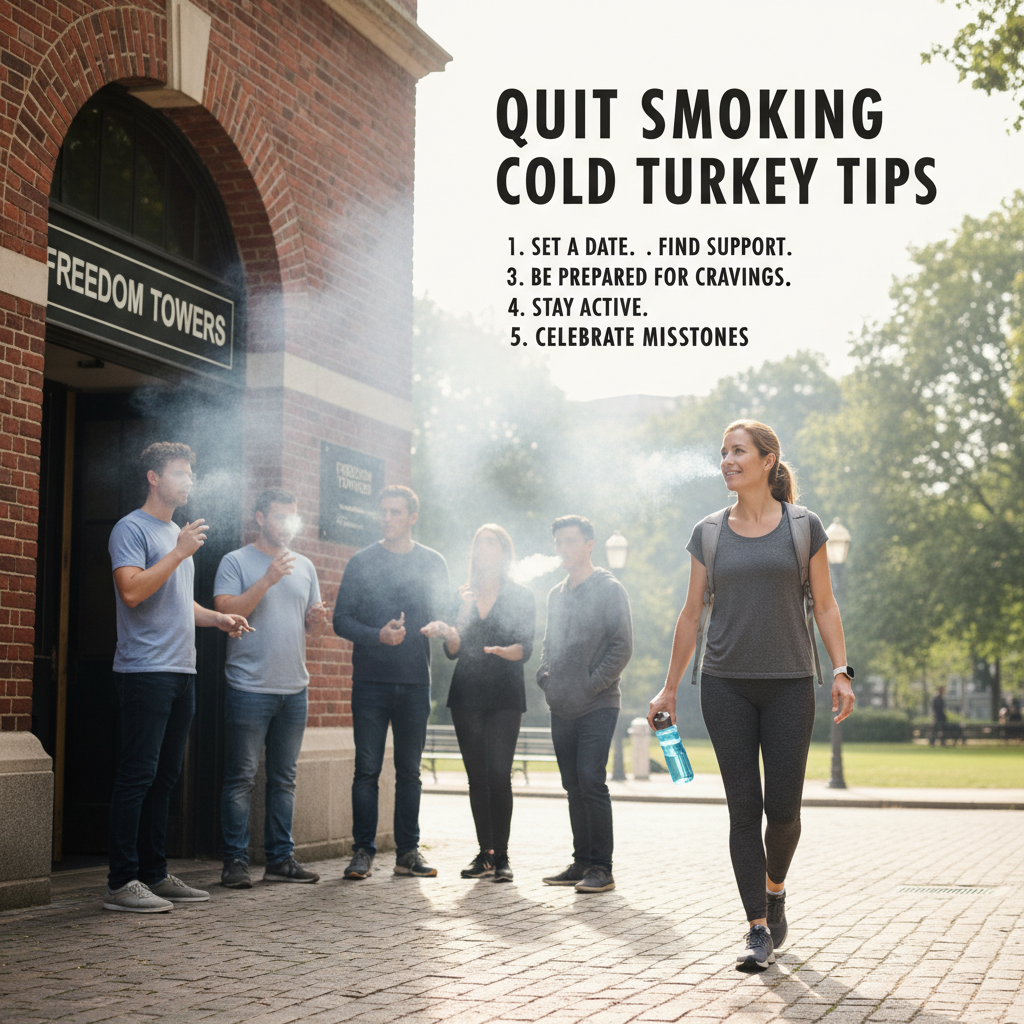
Frequently Asked Questions
1. How long do withdrawal symptoms last when quitting cold turkey?
Understanding quit smoking cold turkey tips is essential. Physical withdrawal symptoms typically peak within 24-72 hours and significantly improve within 2-3 weeks. However, psychological cravings and mood changes can persist for several months. The intensity and duration vary based on your smoking history, overall health, and individual factors.
2. Is cold turkey more effective than gradual reduction methods?
Research shows mixed results, but cold turkey can be more effective for people who prefer definitive action and clear boundaries. The success rate depends more on preparation and support than the specific method chosen. Cold turkey eliminates prolonged withdrawal but requires strong initial commitment.
3. Can I use nicotine pouches while quitting cold turkey?
Using nicotine pouches technically isn't "cold turkey" since you're still consuming nicotine, but they eliminate the harmful chemicals from smoking. Many people use them as a harm-reduction bridge, gradually reducing nicotine strength over time while maintaining their smoke-free status.
4. What should I do if I relapse during a cold turkey attempt?
Don't view relapse as failure - view it as valuable learning experience. Analyze what triggered the relapse, adjust your strategies accordingly, and set a new quit date within a week. Many successful quitters require multiple attempts before achieving long-term success.
5. How can I manage weight gain after quitting smoking cold turkey?
Focus on healthy snacking, stay hydrated, and increase physical activity gradually. Many people gain 5-10 pounds initially due to improved taste/smell and oral fixation needs. This weight gain is typically temporary and much less harmful than continued smoking.
6. When do the health benefits begin after quitting cold turkey?
Health improvements begin immediately: within 20 minutes, heart rate and blood pressure drop; within 12 hours, carbon monoxide normalizes; within 2 weeks, circulation improves; within 3 months, lung function increases significantly. These rapid changes provide powerful motivation during difficult moments.
7. Should I tell people about my quit attempt or keep it private?
Generally, sharing your quit attempt with supportive people improves success rates by creating accountability and enabling help during difficult moments. However, avoid telling people who might be unsupportive or create additional pressure. Choose your confidants carefully.
8. How do I handle intense cravings that feel overwhelming?
Use the "STOP" technique: Stop what you're doing, Take deep breaths, Observe the craving without judgment, and Proceed with a healthy alternative. Remember that even the most intense cravings typically pass within 3-5 minutes. Having distraction activities ready is crucial.
Recommended Articles
Explore more from our content library:


