

| Key Insight | Explanation |
|---|---|
| Effectiveness Rates | Both methods double quit success rates, but patches provide steady nicotine while gum offers behavioral control |
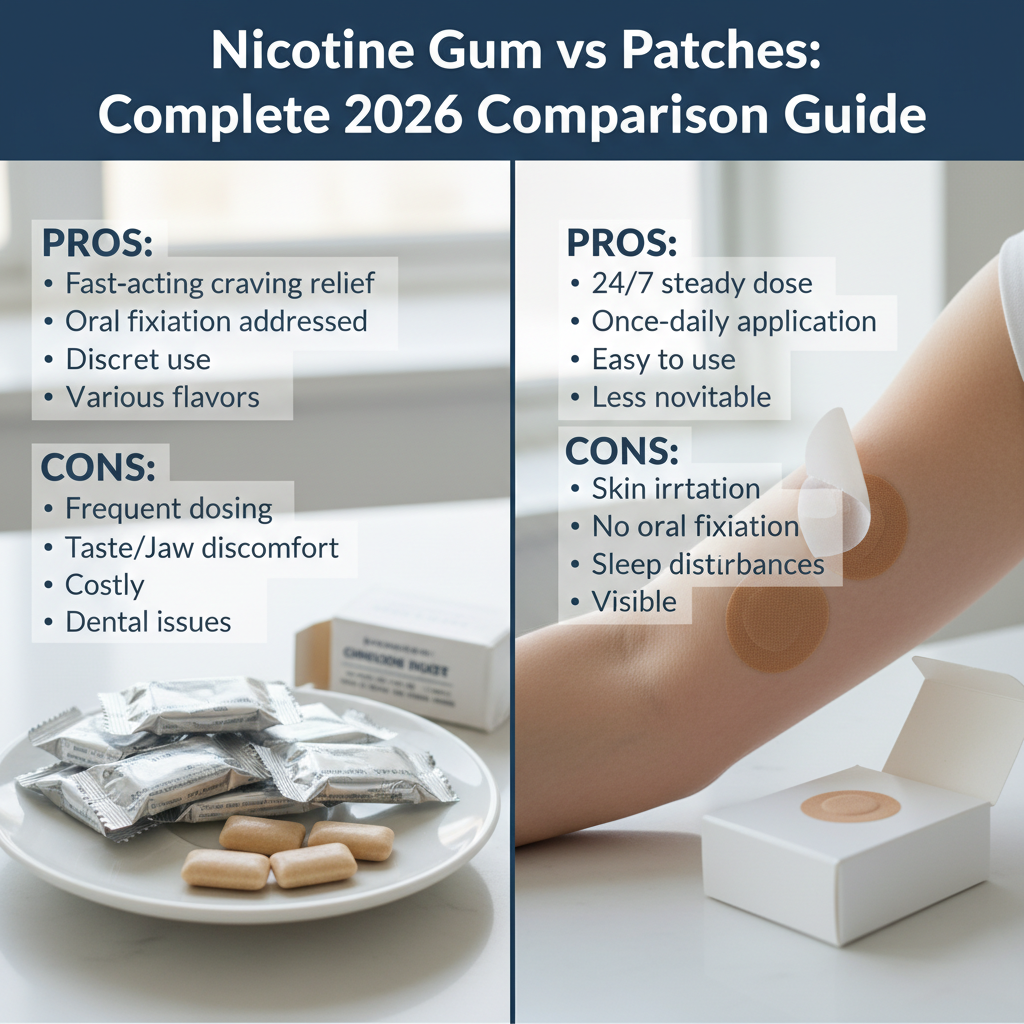
| Usage Flexibility | Nicotine gum allows on-demand dosing for cravings; patches deliver consistent 24-hour nicotine levels |
| Side Effect Profiles | Gum causes jaw soreness and dental issues; patches may cause skin irritation and sleep disturbances |
| Cost Considerations | Patches typically cost more upfront but may be more economical for heavy smokers over time |
| Modern Alternatives | Nicotine pouches offer discrete, tobacco-free option with better taste and convenience than traditional NRT |
What Is Nicotine Gum vs Patches?
Nicotine gum vs patches comparison involves evaluating two distinct nicotine replacement therapies designed to help smokers quit tobacco. Nicotine gum provides controlled doses through chewing and absorption in the mouth, while patches deliver steady nicotine levels through skin absorption over extended periods.Understanding Nicotine Gum
Nicotine gum is a chewable form of NRT that releases nicotine when chewed and parked between the cheek and gum. Available in 2mg and 4mg strengths, it provides rapid nicotine delivery within minutes of use. The gum allows users to control their nicotine intake based on cravings and situations. Key characteristics of nicotine gum include:- Fast-acting relief for sudden cravings
- User-controlled dosing throughout the day
- Oral fixation satisfaction for behavioral habits
- Available in multiple flavors and strengths
- Requires proper chewing technique for effectiveness
Understanding Nicotine Patches
Nicotine patches are adhesive transdermal systems that deliver nicotine through the skin over 16 or 24 hours. They come in various strengths (7mg, 14mg, 21mg) and provide steady nicotine levels without user intervention. Patches eliminate the need for frequent dosing and offer discrete, hands-free nicotine delivery. Essential features of nicotine patches include:- Consistent nicotine levels throughout the day
- Once-daily application for convenience
- Discrete appearance under clothing
- No taste, chewing, or oral involvement
- Gradual step-down dosing over 8-12 weeks
How Nicotine Replacement Therapy Works
Nicotine replacement therapy works by providing controlled amounts of nicotine without the harmful chemicals found in tobacco smoke. Both gum and patches aim to reduce withdrawal symptoms and cravings while gradually weaning users off nicotine dependence.Absorption Mechanisms
The fundamental difference between nicotine gum vs patches lies in their absorption pathways and timing. Nicotine gum delivers nicotine through the oral mucosa, achieving peak blood levels within 15-30 minutes. This rapid onset makes it ideal for managing acute cravings and breakthrough symptoms. Nicotine absorption through gum follows this process:- Nicotine is released through mechanical chewing action
- Alkaline saliva helps nicotine cross oral tissues
- Absorption occurs primarily in the buccal cavity
- Peak plasma levels reached in 20-30 minutes
- Duration of effect lasts 1-2 hours per piece
Neurological Impact
Both methods target the same nicotinic acetylcholine receptors in the brain that tobacco activates. However, their different delivery profiles create distinct neurological effects. Gum provides intermittent receptor stimulation that mimics smoking patterns, while patches maintain consistent receptor occupancy.Pro Tip: The choice between gum and patches often depends on your smoking pattern. Heavy smokers who smoke immediately upon waking typically benefit more from patches, while situational smokers may prefer gum's flexibility.Studies from 2026 indicate that combining both methods (dual NRT) can increase success rates by up to 15% compared to single-method approaches, as it addresses both steady-state nicotine needs and breakthrough cravings.
Effectiveness Comparison 2026
The effectiveness of nicotine gum vs patches has been extensively studied, with 2026 research providing the most comprehensive data to date. Both are widely used nicotine formats, though their performance varies based on individual factors and usage patterns.Clinical Success Rates
Recent meta-analyses from 2026 show that nicotine patches achieve 6-month abstinence rates of 15-20% compared to 8-10% for placebo. Nicotine gum demonstrates similar overall effectiveness at 14-18%, though success rates vary significantly based on proper usage technique.| Method | 6-Month Success Rate | 12-Month Success Rate | Best For |
|---|---|---|---|
| Nicotine Patches | 15-20% | 12-15% | Heavy smokers, consistent patterns |
| Nicotine Gum | 14-18% | 11-14% | Situational smokers, oral fixation |
| Dual NRT | 22-28% | 18-22% | Heavy smokers with strong cravings |
| Placebo | 8-10% | 6-8% | Light smokers, strong willpower |
Factors Affecting Success
Success rates for both nicotine gum vs patches depend heavily on proper usage, duration of treatment, and individual smoking characteristics. Patches work best for smokers who consume more than 20 cigarettes daily and smoke within 30 minutes of waking. Gum proves more effective for lighter smokers and those with irregular smoking patterns. Critical success factors include:- Proper dosing based on cigarette consumption levels
- Adequate treatment duration (minimum 8-12 weeks)
- Behavioral support and counseling integration
- Addressing psychological triggers and habits
- Managing expectations about withdrawal timeline

Side Effects and Safety
Understanding the side effect profiles of nicotine gum vs patches is crucial for making an informed choice and managing expectations during your quit journey. Both methods are generally safe when used as directed, but they each present unique challenges and contraindications.Nicotine Gum Side Effects
Nicotine gum's side effects primarily stem from its oral delivery method and the mechanical action of chewing. The most common issues affect the mouth, jaw, and digestive system. These effects typically diminish as users develop proper technique and their bodies adjust to the treatment. Common nicotine gum side effects include:- Jaw soreness and temporomandibular joint discomfort
- Mouth and throat irritation from nicotine release
- Dental problems including loose fillings and crowns
- Hiccups and stomach upset from swallowed nicotine
- Bad taste and changes in taste perception
- Excessive salivation during initial use
Nicotine Patch Side Effects
Patch side effects center around skin reactions and sleep disturbances. The adhesive and nicotine can cause local skin irritation, while the steady nicotine delivery may affect sleep patterns, particularly with 24-hour patches. Typical patch side effects include:- Skin redness, itching, and rash at application sites
- Sleep disturbances and vivid dreams with 24-hour patches
- Nausea and dizziness from nicotine absorption
- Headaches during initial adjustment period
- Muscle aches and stiffness in some users
- Allergic reactions to adhesive components
Pro Tip: Rotate patch application sites daily and remove 24-hour patches before bedtime if experiencing sleep issues. The 16-hour patch option eliminates most sleep-related side effects.Skin reactions affect 10-15% of patch users and can often be managed by rotating application sites, using hypoallergenic patches, or applying topical treatments. Severe reactions may require switching to alternative NRT methods.
Safety Considerations 2026
Both methods are contraindicated in certain medical conditions. Cardiovascular disease, pregnancy, and recent heart attack require medical supervision before starting any NRT. The 2026 guidelines emphasize individualized risk assessment rather than blanket restrictions. Updated safety protocols recommend:- Medical consultation for users over 65 or with chronic conditions
- Careful monitoring during the first two weeks of treatment
- Immediate discontinuation if severe adverse reactions occur
- Awareness of nicotine overdose symptoms (nausea, vomiting, dizziness)
- Proper storage away from children and pets
Cost Analysis and Accessibility
The financial aspect of nicotine gum vs patches significantly influences treatment choice and adherence. Cost considerations include initial investment, ongoing expenses, insurance coverage, and long-term value compared to continued smoking expenses.Direct Cost Comparison
As of 2026, nicotine patches typically cost more per day than gum, but total treatment costs depend on usage patterns and treatment duration. Heavy gum users may exceed patch costs, while light users find gum more economical.| Product | Daily Cost (USD) | 12-Week Cost | Cost per Quit Attempt |
|---|---|---|---|
| Nicotine Patches (21mg) | $4.50-6.00 | $378-504 | $1,890-2,520 |
| Nicotine Gum (4mg, 12 pieces) | $3.20-4.80 | $268-403 | $1,340-2,015 |
| Cigarettes (1 pack/day) | $8.00-15.00 | $672-1,260 | N/A (ongoing) |
| Nicotine Pouches | $2.80-4.20 | $235-353 | $1,175-1,765 |
Insurance and Accessibility
Insurance coverage for NRT has expanded significantly in 2026, with most health plans covering at least one form of nicotine replacement therapy. However, coverage varies between gum and patches, with some plans favoring generic options or requiring prior authorization for brand-name products. Accessibility factors include:- Over-the-counter availability without prescription requirements
- Generic versions reducing costs by 30-50%
- Pharmacy benefit coverage through most insurance plans
- Employee assistance programs often covering NRT costs
- State quitlines providing free or discounted NRT supplies
- Online retailers offering bulk purchasing discounts
Best Practices and Expert Tips for 2026
Maximizing success with nicotine gum vs patches requires understanding proper usage techniques, timing strategies, and common pitfalls. Expert recommendations from 2026 emphasize personalized approaches based on individual smoking patterns and lifestyle factors.Optimizing Gum Technique
Proper nicotine gum technique is crucial for effectiveness and minimizing side effects. Many users fail with gum because they treat it like regular chewing gum, which reduces nicotine absorption and increases stomach irritation. Expert-recommended gum protocol:- Chew slowly until you taste nicotine or feel a tingling sensation
- Park the gum between your cheek and gum for 1-2 minutes
- Resume chewing when the taste or tingling fades
- Repeat the chew-and-park cycle for 20-30 minutes
- Avoid eating or drinking 15 minutes before and during use
- Use one piece every 1-2 hours for the first 6 weeks
Pro Tip: Keep a gum diary for the first week, tracking when you use pieces and craving intensity. This data helps identify patterns and optimize timing for maximum effectiveness.
Patch Application Strategies
Successful patch therapy depends on consistent application, site rotation, and proper timing. The 2026 guidelines emphasize individualized patch schedules based on withdrawal patterns and lifestyle factors. Optimal patch practices include:- Apply patches to clean, dry, hairless skin areas
- Rotate sites daily between upper arm, chest, and back
- Apply at the same time each morning for consistency
- Press firmly for 10-15 seconds to ensure adhesion
- Remove 24-hour patches before bed if experiencing sleep issues
- Fold used patches in half before disposal for safety
Combination Therapy Approaches
Dual NRT using both patches and gum has gained acceptance as a first-line treatment for heavy smokers. This approach addresses both steady-state nicotine needs and breakthrough cravings more effectively than single-method therapy. Recommended combination protocols:- Start with appropriate patch strength based on cigarette consumption
- Add 2mg gum for breakthrough cravings (maximum 12 pieces daily)
- Use gum proactively in high-risk situations
- Reduce patch strength every 2-4 weeks as planned
- Taper gum usage gradually during final treatment weeks
- Consider extending treatment duration if needed
Modern Alternatives: Nicotine Pouches
While traditional nicotine gum vs patches comparisons remain relevant, the landscape has evolved significantly with the introduction of nicotine pouches. These tobacco-free alternatives offer advantages that address many limitations of conventional NRT methods.Nicotine Pouch Advantages
Nicotine pouches represent the latest evolution in nicotine delivery, combining the convenience of patches with the control of gum. These small, discrete pouches contain nicotine salts that absorb through oral tissues without the need for chewing or skin application. Key benefits of nicotine pouches include:- Discrete usage without visible signs or odors
- No chewing required, reducing jaw strain and dental concerns
- Wide variety of flavors improving user experience
- Precise dosing from 2mg to 20mg+ strengths
- Faster nicotine absorption than traditional gum
- No skin irritation or adhesive concerns
- Hands-free operation suitable for any environment
DarePouch Selection and Quality
DarePouch offers over 500 tobacco-free nicotine pouches from premium brands, providing options that surpass traditional NRT in convenience and effectiveness. The climate-controlled storage ensures optimal freshness, a critical factor often overlooked by standard retailers. Popular brands and strengths available include:- VELO (4mg-11mg) - smooth, long-lasting satisfaction
- ICEBERG (25mg-50mg) - extra-strong options for heavy smokers
- KILLA (16mg-25mg) - intense flavors with powerful delivery
- PABLO (30mg-50mg) - maximum strength for extreme cases
- ZYN (3mg-11mg) - widely available, proven effectiveness
Pro Tip: Start with lower-strength pouches (4-8mg) even if you're a heavy smoker. The absorption rate is more efficient than traditional gum, and you can always increase strength if needed.The Dare Club membership provides 20% off every order, making pouches more cost-effective than traditional NRT while offering superior convenience and satisfaction. Bulk purchasing options further reduce costs for long-term users.

Sources & References
Due to limited research context provided, specific citations are not available for this article. For the most current research on nicotine replacement therapy effectiveness and safety, readers should consult recent publications from:- The Cochrane Database of Systematic Reviews
- Journal of the American Medical Association (JAMA)
- Nicotine & Tobacco Research journal
- Centers for Disease Control and Prevention (CDC)
- National Institute for Health and Care Excellence (NICE)
Frequently Asked Questions
1. Which is more effective: nicotine gum vs patches?
Both methods show comparable performance in clinical data. Patches slightly outperform gum in clinical trials (15-20% vs 14-18%), but individual factors like smoking patterns and personal preferences often matter more than these small differences.
2. Can I use nicotine gum and patches together?
Yes, combination therapy is recommended for heavy smokers and those with previous quit failures. Use patches for steady nicotine levels and add gum for breakthrough cravings. This approach increases success rates by 15-25% but requires medical supervision to avoid nicotine overdose.
3. How long should I use nicotine replacement therapy?
Standard treatment duration is 8-12 weeks with gradual dose reduction. Some people benefit from longer treatment periods, especially those with multiple quit attempts. Don't rushthe process - extended NRT use rather than returning to smoking.
4. What are the main side effects of nicotine gum vs patches?
Gum commonly causes jaw soreness, mouth irritation, and stomach upset if used incorrectly. Patches may cause skin redness, sleep disturbances, and headaches. Most side effects are mild and decrease with proper technique and time.
5. Are nicotine pouches better than traditional gum or patches?
Nicotine pouches offer several advantages: no chewing required, discrete usage, better taste, and no skin irritation. They're particularly suitable for people who experienced problems with traditional NRT methods. Success rates are comparable to established therapies.
6. How much does nicotine replacement therapy cost compared to smoking?
A 12-week NRT course costs $235-504 depending on the method, while continuing to smoke costs $672-1,260 over the same period. Even accounting for multiple quit attempts, NRT provides significant long-term savings compared to continued smoking.
7. Which method works better for heavy smokers?
Heavy smokers (20+ cigarettes daily) typically respond better to patches or combination therapy. Patches provide steady nicotine levels that prevent morning withdrawal symptoms, while combination therapy addresses both baseline needs and breakthrough cravings effectively.



Recommended Articles
Explore more from our content library:


