

| Key Insight | Explanation |
|---|---|
| Cravings peak and pass quickly | Most nicotine cravings last 3–5 minutes. Outlasting them with a distraction or substitute is a core natural strategy. |
| Triggers drive most relapses | Identifying your personal smoking triggers — stress, coffee, social situations — is more important than willpower alone. |
| Tobacco-free nicotine pouches are a practical switch tool | Pouches like VELO or White Fox deliver nicotine without smoke, tar, or tobacco — useful for adults managing the transition. |
| Diet and hydration matter | Certain foods and drinks — water, dairy, fruits and vegetables — can blunt the intensity of nicotine cravings. |
| Exercise is a proven craving blocker | Even a short walk reduces urge intensity by releasing endorphins and occupying the hands and mind. |
| A plan dramatically improves success | According to the CDC, smokers with a structured quit plan are significantly more likely to succeed than those who quit on impulse. |
How to Stop Smoking Naturally: What Actually Works
Knowing how to stop smoking naturally starts with one honest fact: nicotine dependence is both physical and behavioural, and addressing both simultaneously gives you the best shot at lasting success. Most cravings peak within 3–5 minutes and then subside — meaning the gap between wanting a cigarette and actually needing one is shorter than it feels. The 10 methods below are grounded in research from the CDC, Mayo Clinic, and NCI, plus real-world experience from people who've made the switch. No miracle supplements, no vague wellness advice. Just practical steps that hold up under scrutiny.

1. Understand Your Triggers First
Before you can stop smoking naturally, you need to know exactly when and why you reach for a cigarette — because most relapses aren't random, they're predictable responses to specific cues. This is particularly relevant for how to stop smoking naturally.
What Are Smoking Triggers?
A smoking trigger is any situation, emotion, or sensory cue that prompts an automatic urge to smoke. Triggers are highly personal. For some people it's the first coffee of the morning. For others it's stress at work, finishing a meal, or stepping outside a pub. The American Cancer Society notes that identifying your personal triggers is a foundational step in any quit strategy [1].
Common trigger categories include:
- Emotional triggers: stress, anxiety, boredom, loneliness
- Routine triggers: morning coffee, after meals, driving
- Social triggers: being around other smokers, alcohol, parties
- Sensory triggers: smell of cigarette smoke, holding a lighter
How to Map Your Triggers
Spend 48–72 hours keeping a simple log. Every time you reach for a cigarette, note:
- The time of day
- What you were doing immediately before
- Your emotional state (stressed, bored, happy, anxious)
- Who you were with
- How strong the urge felt on a scale of 1–10
After two days, patterns emerge. You'll likely find that 70–80% of your cigarettes cluster around just three or four recurring situations. That's where you focus your energy — not on every cigarette equally.
Pro Tip: Don't try to eliminate all triggers at once. Pick your top two and build a specific substitute response for each one first. Tackling them sequentially is far more manageable than an all-or-nothing approach.
According to the CDC, counselling that helps smokers identify and prepare for their specific triggers is one of the most effective behavioural quit tools available — separate from any medication [2]. You don't need a formal therapist to apply the same logic yourself.
One common mistake here is confusing triggers with cravings. A trigger is the external or emotional prompt; a craving is the internal physical urge that follows. Solving the trigger stops the craving from starting in the first place. That's a fundamentally different — and more efficient — strategy than just white-knuckling through the urge once it arrives. When considering how to stop smoking naturally, this point stands out.
2. Natural Craving Busters That Actually Work
Natural craving management means replacing the cigarette ritual with something that satisfies the oral fixation, the hand habit, or the need for a brief mental break — without smoke or tobacco.
Food, Drink, and Oral Substitutes
Research from the Truth Initiative identifies several foods and drinks that can actively reduce the intensity of nicotine cravings [3]:
- Water: Drinking a full glass slowly when a craving hits buys time and helps flush nicotine metabolites. Staying hydrated also reduces the fatigue that often accompanies withdrawal.
- Dairy products: Milk and cheese have been reported to make cigarettes taste worse — a useful aversion effect for early quitters.
- Fruits and vegetables: High-fibre options like apples, carrots, and celery occupy the mouth and hands, mimicking the physical ritual of smoking.
- Nuts and seeds: Sunflower seeds in particular give you something to crack open and consume slowly — a useful fidget replacement.
- Sugar-free gum and mints: Mayo Clinic specifically recommends these as immediate oral substitutes during acute cravings [4].
- Dark chocolate: A small piece can satisfy the reward-seeking behaviour that nicotine activates in the brain.
A common mistake is reaching for sugary snacks or alcohol as substitutes. Both can worsen cravings over time — alcohol in particular is one of the strongest relapse triggers for ex-smokers.
Breathing and Distraction Techniques
The American Cancer Society recommends slow, controlled breathing as a direct craving intervention [1]. The mechanics are simple: take a slow breath in, hold for 3–4 seconds, exhale slowly. Repeat four or five times. This activates the parasympathetic nervous system and reduces the acute stress response that many cravings piggyback on.
Physical distraction also works reliably. The NCI notes that engaging in enjoyable physical activity — even a short walk — is an effective way to interrupt a craving cycle [5]. Exercise releases endorphins, occupies the hands and mind, and shortens the perceived duration of the urge.
For practical guidance on managing withdrawal day by day, resources like Smokefree.gov offer structured daily support tools that many quitters find genuinely useful [6]. For those exploring how to stop smoking naturally, this matters.
Pro Tip: Keep a "craving kit" — a small bag or drawer with sugar-free gum, a water bottle, a stress ball, and a few nuts. Having the substitutes physically ready removes the decision-making friction when a craving hits fast.
| Natural Method | What It Addresses | Best For |
|---|---|---|
| Slow breathing (4-7-8 method) | Stress-triggered cravings | Any time, anywhere |
| Drinking water slowly | Oral fixation + hydration | Morning and post-meal cravings |
| Carrots, celery, nuts | Oral and hand ritual | After-meal and boredom cravings |
| Short walk or exercise | Physical urge + mood | Stress and afternoon slumps |
| Sugar-free gum or mints | Oral fixation | Social and post-meal cravings |
| Tobacco-free nicotine pouch | Nicotine craving directly | Adults managing nicotine dependence |
3. Tobacco-Free Nicotine Pouches as a Transition Tool
Tobacco-free nicotine pouches are small, smoke-free sachets placed under the lip that deliver nicotine without combustion, tobacco leaf, or vapour — making them a practical option for adults who want to move away from cigarettes while managing nicotine dependence.

What Makes Pouches Different from Cigarettes
A nicotine pouch (also called an NP or oral nicotine pouch) contains pharmaceutical-grade nicotine, plant-based filler, flavouring, and pH adjusters — no tobacco leaf, no combustion, no smoke. You place it between your upper lip and gum for 15–45 minutes. There's no smell, no ash, and no secondhand exposure.
Key differences from cigarettes:
- No combustion — none of the thousands of compounds produced by burning tobacco
- No tobacco leaf — tobacco-free by design
- Discreet — no smell, no smoke, usable indoors
- Controlled strength — available from 2mg up to 50mg, allowing gradual step-down
- No hand-to-mouth ritual with fire — removes the behavioural component of smoking
Important note: nicotine pouches are not marketed as a smoking cessation product and we make no medical claims here. They are an adult consumer product for people who choose to use nicotine in a tobacco-free format. Results vary, and whether they assist your personal transition is your decision to make as an informed adult.
Choosing the Right Strength
Strength selection is the single most important factor for adults switching from cigarettes. Pick too low and the pouch won't satisfy — you'll go back to smoking. Pick too high and the experience is unpleasant.
A practical starting framework:
- Light smokers (under 10 cigarettes/day): start at 4mg–6mg per pouch
- Moderate smokers (10–20 cigarettes/day): start at 6mg–10mg
- Heavy smokers (20+ cigarettes/day): 10mg–14mg is a reasonable starting point
- Strengths above 20mg (like Pablo or KILLA in the higher ranges) are for experienced pouch users with established tolerance — not for beginners transitioning from cigarettes
At DarePouch, we've found that most adults switching from cigarettes land comfortably in the 6mg–10mg range for their first can. Thomas Agaraté, who has personally tested over 500 pouches since 2014, recommends starting lower than you think you need — your body adapts quickly, and stepping up is always easier than riding out an overwhelming hit.
Brands worth exploring if you're new to pouches include VELO (widely available, consistent quality, mild to moderate strengths), White Fox (clean mint flavours, slim format), and ICEBERG (broader flavour range, multiple strengths). All are stocked at DarePouch alongside 55+ other brands across 600+ products.
For broader context on what's available in the smoke-free alternatives space, senejac.com is worth exploring for additional perspectives on tobacco-free lifestyle choices.
Pro Tip: Moisture level and format affect how strongly a pouch hits — a slim, moist pouch at 8mg can feel noticeably stronger than a dry regular-format pouch at the same strength. Don't judge a pouch purely by the mg number on the tin. Try one can before committing to a bulk order.
4. Lifestyle Changes That Support Quitting
Stopping smoking naturally is significantly easier when your daily environment, sleep, and stress levels are working with you rather than against you — these aren't optional extras, they're structural supports.
Exercise, Sleep, and Stress Management
Exercise is one of the most well-evidenced natural craving interventions available. A brisk 10-minute walk has been shown to reduce cigarette cravings and withdrawal symptoms temporarily [5]. Regular aerobic exercise also helps manage the mood changes and irritability that accompany nicotine withdrawal — both of which are common in the first two weeks.
Sleep deprivation makes cravings worse. When you're tired, impulse control weakens and the brain's reward system becomes more reactive to cues. Prioritising 7–8 hours during the first few weeks of quitting isn't indulgent — it's strategic. This directly impacts how to stop smoking naturally outcomes.
Stress management is equally critical. According to WebMD, stress is one of the most cited reasons for relapse, and building a concrete stress response plan before quitting significantly improves outcomes [7]. That plan might include:
- A daily 10-minute walk or light jog
- A breathing practice (box breathing, 4-7-8 method)
- Reducing caffeine, which amplifies anxiety during withdrawal
- Journalling or talking to a friend when stress spikes
Environment Design and Social Support
Your environment either makes quitting easier or harder. Removing cigarettes, lighters, and ashtrays from your home and car eliminates the visual triggers that prompt automatic reaching. This is basic but consistently underestimated.
Social support matters more than most people expect. Research referenced by MD Anderson Cancer Center indicates that smokers with strong social support networks have higher quit rates [8]. That doesn't mean you need a formal support group — telling two or three people you trust about your quit attempt and asking them to check in is often enough.
A few practical environment changes that make a real difference:
- Remove all smoking paraphernalia from your home on day one
- Rearrange your morning routine to break the coffee-cigarette association
- Identify which friends smoke and plan how you'll handle social situations with them
- Keep your hands busy — a stress ball, a pen to click, or a pouch to use
- Tell your closest contacts your quit date so they can offer accountability
The NCI's withdrawal management guidance also recommends reducing caffeine during the first weeks of quitting, since nicotine affects how the body processes caffeine — meaning the same amount of coffee hits harder once you stop smoking [5].
One thing this article doesn't cover in depth: formal behavioural therapy and prescription medications. Both are legitimate and effective options. If natural methods alone aren't working after a genuine effort, speaking to a GP about additional support is a sensible next step — not a failure. This is particularly relevant for how to stop smoking naturally.
How to Choose Your Approach to Stopping Smoking Naturally
The right combination of natural methods depends on your smoking pattern, your main triggers, and how you respond to nicotine withdrawal — there's no single path that works for everyone.
A Decision Framework for Natural Quitting
Use this framework to build your personal plan:
- Log your triggers for 48 hours before your quit date. Identify your top three.
- Choose a substitute for each trigger. Stress trigger? Breathing exercise. After-meal trigger? Sugar-free gum or a walk. Social trigger? A nicotine pouch or a glass of water.
- Decide on your nicotine approach. Cold turkey works for some people — but it's not superior to gradual reduction. If you want to continue using nicotine in a tobacco-free format, pouches give you strength control that cigarettes don't.
- Set a quit date and tell someone. A concrete date with social accountability outperforms a vague intention to "cut down."
- Prepare your environment the night before: remove cigarettes, stock your craving kit, rearrange your morning routine.
- Plan for the hard moments specifically. What will you do at 9am with your coffee? What will you do after dinner? Having a pre-decided response removes the decision-making burden when the craving is already present.
According to the CDC's quit guidance, having a structured plan — rather than quitting on impulse — is one of the factors most consistently associated with successful long-term cessation [2]. In practice, the people who struggle most are those who decide to quit in the moment, without any substitutes or strategies in place.
Results vary. Some people find cold turkey straightforward; others need multiple attempts and a combination of approaches. Both are normal. The evidence supports trying again after a relapse rather than treating it as permanent failure.

Sources & References
- American Cancer Society, "Help for Cravings and Tough Situations While You're Quitting Tobacco," 2024
- CDC, "How to Quit Smoking," 2024
- Truth Initiative, "8 Foods and Drinks That Could Help People Quit Nicotine," 2023
- Mayo Clinic, "Quitting Smoking: 10 Ways to Resist Tobacco Cravings," 2024
- National Cancer Institute, "Tips for Coping with Nicotine Withdrawal and Triggers," 2024
- Smokefree.gov, "Quit Smoking or Vaping Today," U.S. Department of Health and Human Services, 2024
- WebMD, "13 Best Quit-Smoking Tips Ever," 2024
- MD Anderson Cancer Center, "Quit Smoking: 6 Products to Strike Out Nicotine Cravings," 2024
Frequently Asked Questions
1. What is the fastest natural way to stop smoking?
There's no single fastest method — but the combination of trigger mapping, immediate oral substitutes (water, gum, or a nicotine pouch), and environment removal (clearing cigarettes and lighters from your home) tends to produce the quickest reduction in smoking frequency. Most cravings pass within 3–5 minutes, so the goal is to outlast each one with a prepared substitute rather than relying on willpower alone.
2. Can you stop smoking naturally in 14 days?
The acute physical withdrawal from nicotine typically peaks within 72 hours and largely subsides within 2–4 weeks. So yes, the physical component of dependence can be largely resolved in 14 days. The behavioural component — the habitual associations with smoking — takes longer to rewire. A structured plan that addresses both the physical and behavioural sides gives you the best chance of reaching 14 days smoke-free. When considering how to stop smoking naturally, this point stands out.
3. What foods help with nicotine cravings when quitting naturally?
According to the Truth Initiative, the most useful foods and drinks for managing nicotine cravings include water, dairy products (milk, cheese), fruits and vegetables (especially crunchy options like carrots and apples), nuts and seeds, sugar-free gum, and dark chocolate. Avoid alcohol and sugary drinks, which can intensify cravings and lower your resolve.
4. Are tobacco-free nicotine pouches a natural way to stop smoking?
Tobacco-free nicotine pouches are not a smoking cessation medicine and we make no medical claims about them. They are an adult consumer product that delivers nicotine without tobacco, smoke, or combustion. Some adults use them as part of their transition away from cigarettes. Whether they suit your approach is a personal decision — but they do offer strength control (from 2mg to 50mg+) that cigarettes don't, which some people find useful when managing their nicotine intake.
5. How do I stop smoking naturally if I actually enjoy it?
This is one of the most honest questions a smoker can ask. If you enjoy smoking, the goal isn't to pretend you don't — it's to find what specifically you enjoy (the ritual, the nicotine hit, the break from work, the social element) and address each component separately. Many people find that a tobacco-free nicotine pouch satisfies the nicotine need, while building new break-time rituals (a short walk, a coffee, a few minutes outside) addresses the rest.
6. Does exercise really help you stop smoking naturally?
Yes — and the evidence is solid. The NCI specifically recommends physical activity as a craving management tool. Even a 10-minute walk can reduce the intensity of a craving by releasing endorphins, occupying the hands and mind, and interrupting the trigger-to-cigarette automatic response. Regular exercise also helps manage the mood changes and irritability that are common during nicotine withdrawal.
7. What are the most common mistakes when trying to stop smoking naturally?
The most common mistakes include: quitting without a plan or identified substitutes; using alcohol to manage stress (which is a major relapse trigger); trying to eliminate all triggers simultaneously rather than tackling them one at a time; and treating a relapse as permanent failure rather than useful information. One more: relying purely on willpower without addressing the behavioural and environmental factors that drive most cigarettes.
8. Is it better to quit smoking cold turkey or gradually?
Neither approach is definitively superior for everyone. Cold turkey works well for people with strong motivation and a concrete plan. Gradual reduction works better for people who find abrupt withdrawal overwhelming. What matters most is having a structured approach either way — according to the CDC, a quit plan significantly improves success rates regardless of which method you choose. For those exploring how to stop smoking naturally, this matters.
Conclusion
Learning how to stop smoking naturally isn't about finding one magic method — it's about stacking the right combination of strategies for your specific triggers, habits, and nicotine level. Map your triggers first. Build your craving kit. Redesign your environment before your quit date. And if you want to continue using nicotine in a tobacco-free format while you transition, understand your options clearly.
Tobacco-free nicotine pouches are one practical tool in that toolkit for adults who want to step away from cigarettes without going cold turkey on nicotine entirely. At DarePouch, we stock 600+ products across 55+ brands — from entry-level strengths ideal for switchers to the full range for experienced users — all stored in climate-controlled conditions and dispatched same-day from Denmark. Every product is personally curated by Thomas Agaraté, who has tested over 500 pouches since 2014.

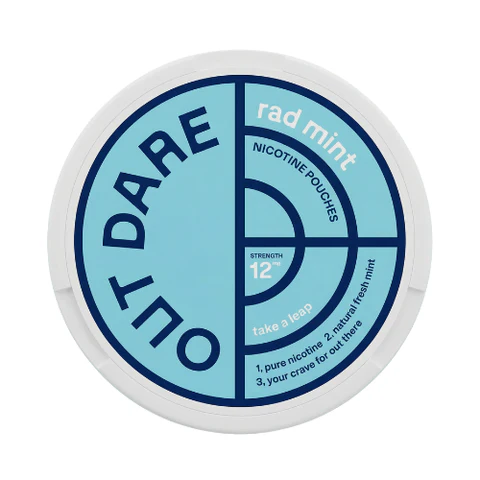
Whatever your approach, the goal is the same: fewer cigarettes, more control, and a clearer picture of what you actually need from nicotine. Start with the method that addresses your strongest trigger. Build from there.
Recommended Articles
Explore more from our content library:


